
 中文简体
中文简体 English
Hybrid Epoxy-Polyester Powder Coating
Industrial-grade protective coating solutions: environmentally friendly, durable, and cost-effective.
Intro to Hybrid Epoxy-Polyester Powder Coating
Hybrid Powder Coatings combine the protective attributes of epoxy resins with the desirable aesthetic and mechanical qualities of polyester resins. This blend offers a balance between chemical resistance and flexibility, positioning it as a highly versatile solution for a wide range of interior applications. Hybrids leverage epoxy's robust adhesion and corrosion resistance while gaining polyester's reduced sensitivity to overbake yellowing and improved flow characteristics compared to pure epoxies. They are typically used for high-volume interior consumer and industrial goods where long-term UV exposure is not a factor but a durable, attractive finish is required.
Balanced Performance of Hybrid Chemistry
The key benefit of a hybrid formulation lies in its ability to mitigate the aesthetic limitations of pure epoxy while maintaining a strong protective base. Pure epoxies are prone to yellowing when exposed to high heat or prolonged cure times; the incorporation of polyester resins significantly improves the color stability under thermal stress, making hybrids more forgiving on complex parts or in batch oven curing processes. While hybrids inherit their UV limitations from the epoxy component, they offer better transfer efficiency and a smoother flow than many single-resin systems. This balanced performance profile results in a coating that provides good mechanical properties—including impact resistance and excellent edge coverage—combined with good resistance to domestic cleaners and common chemicals. Hybrids are a cornerstone in the appliance and general industrial market due to their favorable cost-to-performance ratio and adaptability to fast-paced production lines where consistent color and finish quality are essential.
Specifications
| Property | Standard Hybrid Range/Value |
| Chemical Base | Epoxy-Polyester Resin Blend |
| UV Resistance | Poor (Not for exterior use) |
| Overbake Stability | Good (Improved vs. pure Epoxy) |
| Film Thickness (Recommended) | 60 to 80 microns |
| Adhesion to Steel | Excellent (5B) |
| Chemical Resistance (Domestic) | Very Good |
| Cure Schedule (Typical) | 180∘C/15 min |
| Primary Application | Interior/General Industrial |
Application Fields
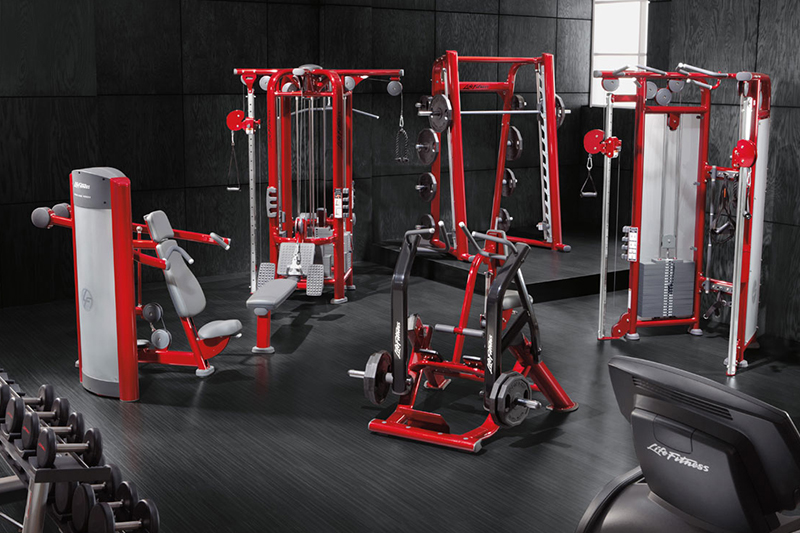
- Home and Commercial Appliances: Refrigerator cabinets, washer/dryer components, and stove parts.
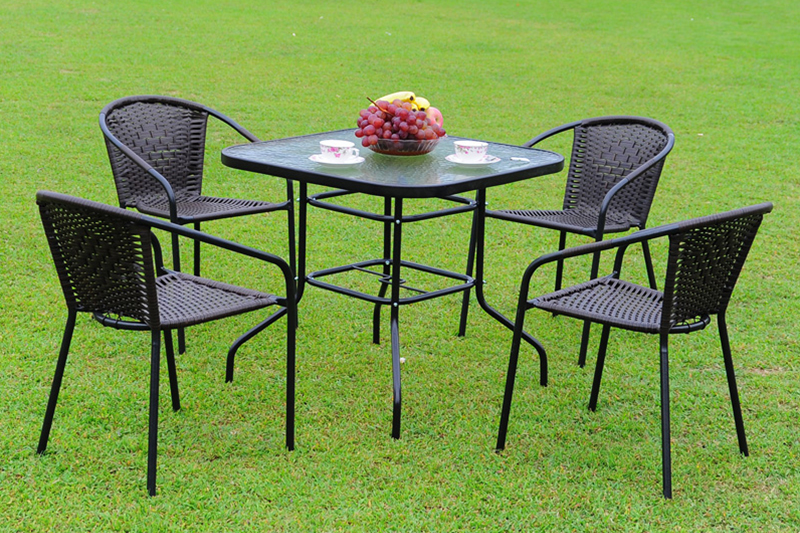
- Office Furniture and Equipment: Metal desks, shelving units, and filing cabinets.
- Retail Display Fixtures: Point-of-sale racks and interior metal stands.
- Lighting Fixture Interiors: Housings and reflectors not exposed to direct sunlight.
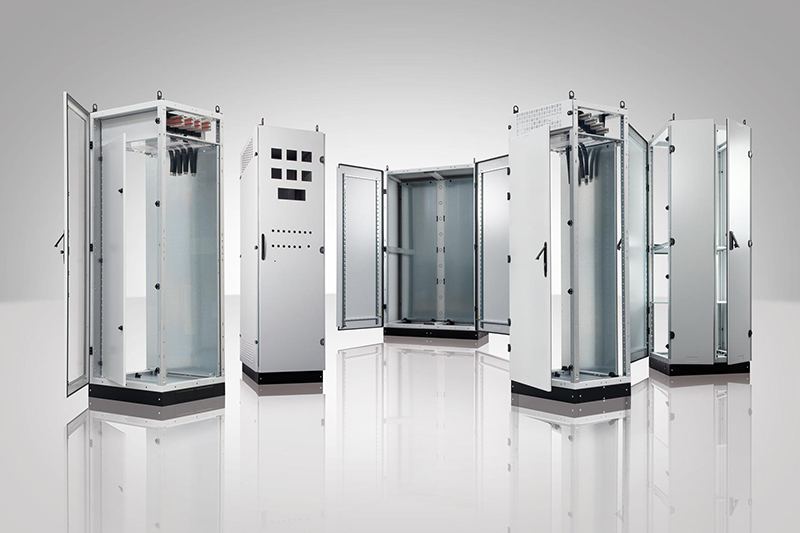
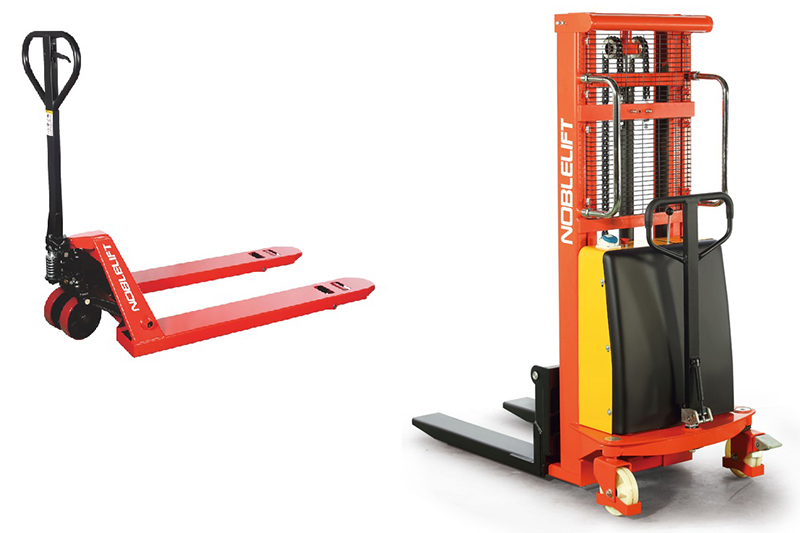
- Tools and Equipment Housings: General indoor industrial machinery and control boxes.
Key Characteristics
- Cost-Effective Durability: Provides high-quality protection at a lower material cost than specialized single-resin systems.
- Improved Overbake Resistance: Less prone to yellowing than pure epoxy under standard curing conditions.
- Excellent Adhesion and Toughness: Combines the superior bond of epoxy with the flexibility of polyester.
- Versatile Application: Suitable for a broad range of interior metal substrates and industrial environments.
- Smooth Flow: Delivers an appealing, consistent aesthetic finish with minimal surface defects.
Comparison: Hybrid vs. Pure Epoxy
| Feature | Hybrid Epoxy-Polyester | Pure Epoxy |
| Overbake Yellowing | Low Sensitivity | High Sensitivity |
| Cost Efficiency | Medium | Low |
| Flexibility/Impact Resistance | Excellent | Very Good |
| Chemical Resistance (Solvents) | Very Good | Excellent |
| Suitable for Interior Use | Yes | Yes |
| Aesthetic Versatility | Higher (Better color stability) | Lower |
Why choose us
Customization: We have a strong R&D team,and we can develop and produce products according to different requirement of customers.
Cost: We have our own raw material production center.So we can offer the most favourable price and good-quality products directly.
Quality: We have our own testing lab and the most advanced and complete inspection equipment, which can ensure the quality of our products.
Capacity: Our annual production capacity is over 30000 tons, we can meet the needs of different customers with diverse purchase quantity.
Service: We focus on developing high-quality products for top-end markets. Our products are in line with international standards, and are mainly exported to Europe, America, Southeast Asia, South America and other destinations around the world.
Shipment: We are only 200 kilometers away from the Shanghai Port and 230 kilometers to Ningbo port, it is very convenient and efficient to ship goods to any other countries.
Customization
Quality
Capacity
Service
Shipment
Frequently Asked Questions (FAQs)
- Q: Can a Hybrid powder coating be recycled and reclaimed?
- A: Yes. Like most thermoset powders, Hybrid powder overspray can typically be collected, sieved, and mixed with virgin powder for reuse, contributing to high material utilization rates.
- Q: What is the primary reason Hybrids cannot be used outdoors?
- A: Hybrids are limited by the epoxy component, which contains chemical bonds highly susceptible to breakdown by UV radiation, leading to rapid chalking, gloss loss, and eventual degradation of the protective film.
- Q: **Does the ratio of epoxy to polyester affect performance?****
- A: Yes. A higher polyester content generally increases UV stability and flow but slightly reduces chemical resistance and adhesion strength, while a higher epoxy content strengthens chemical resistance but increases the risk of yellowing.
Selection Guide: Hybrid Epoxy-Polyester
Select a Hybrid Epoxy-Polyester Powder Coating when:
- The application is strictly interior with no exposure to direct sunlight.
- The project requires a balance of corrosion protection, durability, and a clean aesthetic finish.
- Cost-effectiveness and high-volume production efficiency are key factors.
- The substrate requires good flow and reduced risk of color change during the curing process.
- The component is exposed to moderate chemical stress, such as repeated cleaning with common household/industrial agents.