
 中文简体
中文简体 English
Insulating Electrical Powder Coating
Industrial-grade protective coating solutions: environmentally friendly, durable, and cost-effective.
Intro to Insulating Electrical Powder Coating
Insulating Electrical Powder Coatings are highly specialized thermoset finishes designed to provide excellent dielectric strength and continuous insulation for electrically charged components. These coatings are primarily based on Epoxy resins (often referred to as Functional or Electrical Grade Epoxies) selected for their ability to form a dense, non-porous film with high resistance to electrical current flow. They are essential for applications requiring insulation, edge protection, and resistance to corona discharge and electrical arcing, making them standard in the motors, transformers, and electronics industries.



Dielectric Strength and Film Integrity
The key performance parameter is Dielectric Strength, measured in volts per unit thickness (V/μm). This measures the maximum voltage the film can withstand before breakdown. Insulating powders achieve high dielectric strength through the use of ultra-pure, high-molecular-weight epoxy resins and fillers that are themselves non-conductive and free of ionic contamination. The application process is critical, often utilizing techniques like Fluidized Bed Dipping (FBD) or specialized electrostatic spray to achieve a uniform, controlled film thickness and ensure complete coverage over sharp edges and complex geometries (essential for preventing discharge failures). These coatings must also resist thermal shock and maintain their integrity over a wide range of operating temperatures and voltages, ensuring reliable, long-term electrical safety and function.
Specifications
| Property | Standard Electrical Insulating Value |
| Chemical Base | Functional/Electrical Grade Epoxy (FBE often used) |
| Dielectric Strength | High (≥25 V/μm or ≥600 V/mil) |
| Volume Resistivity | Very High (≥1014Ω⋅cm) |
| Film Integrity | Non-porous, Highly Uniform Coverage |
| Application Focus | Electrical Insulation, Coil/Rotor Protection |
| Thermal Class | Typically Class B to F (Temperature dependent) |
| Corrosion Protection | Excellent (Inherently provided by Epoxy) |
| Applicable Standards | IEC, NEMA, UL (Component dependent) |
Application Fields
- Electrical Motors: Insulating the rotor core, stator laminations, and end turns.
- Transformers: Coating core laminations, coil bobbins, and housing components.
- Busbars and Conductors: Providing a protective, high-dielectric barrier.
- Capacitors and Resistors: Insulating the metal casings and terminals.
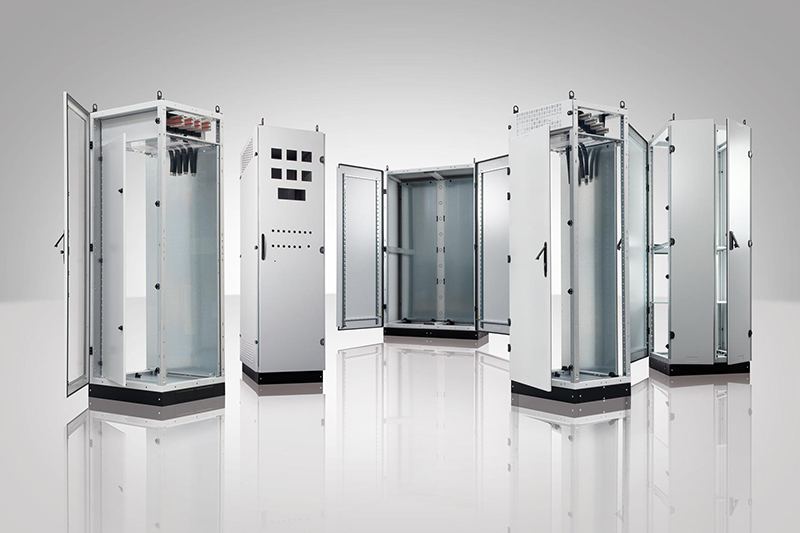
- Industrial Circuitry: Coating metal supports and housings in high-voltage panels.
Key Characteristicss
- High Dielectric Strength: Provides reliable electrical insulation at high voltages.
- Thermal Resistance: Maintains insulating properties over the motor/transformer's operating temperature range.
- Excellent Edge Coverage: Ensures protection on the sharp corners of core laminations (often achieved via FBD).
- Uniform Film Thickness: Critical for predictable voltage breakdown limits and avoiding hot spots.
- Superior Mechanical Strength: Protects the windings from abrasion and vibration during assembly and operation.
Comparison: Electrical Insulating vs. Standard Epoxy
| Feature | Insulating Electrical Powder | Standard Epoxy Powder |
| Dielectric Purity | Ultra-pure, low ionic content | Standard industrial purity |
| Dielectric Strength | Very High (Tested to voltage breakdown standards) | Good (High resistance, but not tested/rated) |
| Film Uniformity | Critical (Often FBD applied) | Standard (Electrostatic applied) |
| Cost | Highest (Specialty grade and testing) | Standard |
| Application Focus | Functional Electrical Safety/Performance | General Corrosion/Chemical Protection |
Why choose us
Customization: We have a strong R&D team,and we can develop and produce products according to different requirement of customers.
Cost: We have our own raw material production center.So we can offer the most favourable price and good-quality products directly.
Quality: We have our own testing lab and the most advanced and complete inspection equipment, which can ensure the quality of our products.
Capacity: Our annual production capacity is over 30000 tons, we can meet the needs of different customers with diverse purchase quantity.
Service: We focus on developing high-quality products for top-end markets. Our products are in line with international standards, and are mainly exported to Europe, America, Southeast Asia, South America and other destinations around the world.
Shipment: We are only 200 kilometers away from the Shanghai Port and 230 kilometers to Ningbo port, it is very convenient and efficient to ship goods to any other countries.
Customization
Quality
Capacity
Service
Shipment
Frequently Asked Questions (FAQs)
- Q: Is a thicker coating always better for electrical insulation?
- A: No. While a higher thickness increases the voltage standoff, it can trap heat, potentially leading to thermal failure. A uniform thickness specified by the design engineer is the correct solution.
- Q: How are these coatings typically applied to complex motor cores?
- A: The preferred method is often Fluidized Bed Dipping (FBD), where the pre-heated part is momentarily dipped into a bed of aerated powder. This technique provides superior, uniform coverage on sharp edges and complex interior geometries.
- Q: Does the insulation resistance degrade in humid environments?
- A: Epoxy coatings are generally excellent against moisture. However, the film must be completely non-porous. A high-quality coating maintains a robust barrier that prevents water ingress, thereby preserving the dielectric properties.
Selection Guide: Insulating Electrical
Select Insulating Electrical Powder Coating when:
- The component must provide reliable electrical isolation and safety in an energized system (motors, transformers).
- High dielectric strength and continuous voltage standoff are mandatory performance specifications.
- The part has complex geometry (laminations, windings) requiring superior edge and pinhole-free coverage.
- The application is subject to thermal stress and requires a coating that maintains performance over the operating temperature range.
- The coating must adhere to recognized electrical standards (e.g., UL, NEMA) for insulation rating.