
 中文简体
中文简体 English
Epoxy Anti-Corrosion Powder Coating
Industrial-grade protective coating solutions: environmentally friendly, durable, and cost-effective.
Intro to Epoxy Anti-Corrosion Powder Coating
Epoxy Anti-Corrosion Powder Coatings are single-coat systems recognized for providing an exceptionally robust protective barrier primarily against corrosive environments. The chemical structure of the epoxy resin provides superior adhesion to metallic substrates and inherent resistance to a wide range of chemicals, solvents, and moisture. These coatings are predominantly used in indoor or shaded applications because, while highly protective, standard epoxy resins undergo chalking and color degradation upon prolonged exposure to UV light. Their performance in salt spray and humidity tests is exceptional, making them a foundational component in protective coating systems, especially for industrial equipment, storage systems, and components requiring maximum barrier protection.
Mechanism of Corrosion Protection and Chemical Stability
The anti-corrosion capability of epoxy powder coating stems from two main factors: excellent barrier properties and high cross-link density. When properly cured, the coating forms a dense, impermeable film that effectively isolates the metal substrate from corrosive elements like oxygen, water, and dissolved salts. Epoxy's inherent polarity and hydroxyl groups contribute to its strong chemical bonding with the pre-treated metal surface, minimizing the opportunity for sub-film corrosion to initiate. The high degree of cross-linking provides a tough, hard surface that resists penetration and mechanical damage. For applications requiring severe corrosion protection, such as those in C3 or C4 ISO 12944 environments, epoxy coatings are often utilized as a high-build primer beneath a more UV-stable topcoat (like polyurethane or polyester). The ability to resist acidic and alkaline solutions makes it indispensable in sectors dealing with chemical storage, pipelines, and industrial machinery where spills or vapours are common.
Specifications
| Property | Standard Anti-Corrosion Range |
| Salt Spray Resistance (ASTM B117) | ≥1500 hours (Depending on pretreatment) |
| Humidity Resistance | ≥1500 hours |
| Chemical Resistance | Excellent (Acids, Alkalis, Solvents) |
| Film Adhesion (Cross-Hatch) | 5B (Superior) |
| Pencil Hardness | H - 3H |
| Film Build (Typical) | 70 to 150 microns |
| UV Resistance | Poor (Will chalk outdoors) |
| Chemical Base | Epoxy |
Application Fields
- Industrial Piping and Fittings: Protection against underground or chemical exposure.
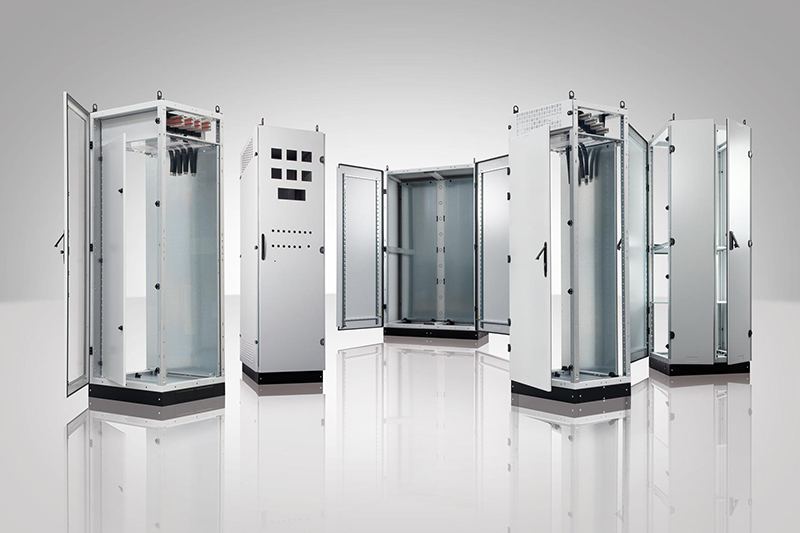
- Electrical Components: Motor casings, busbars, transformers, and electronic enclosures (often for electrical insulation).
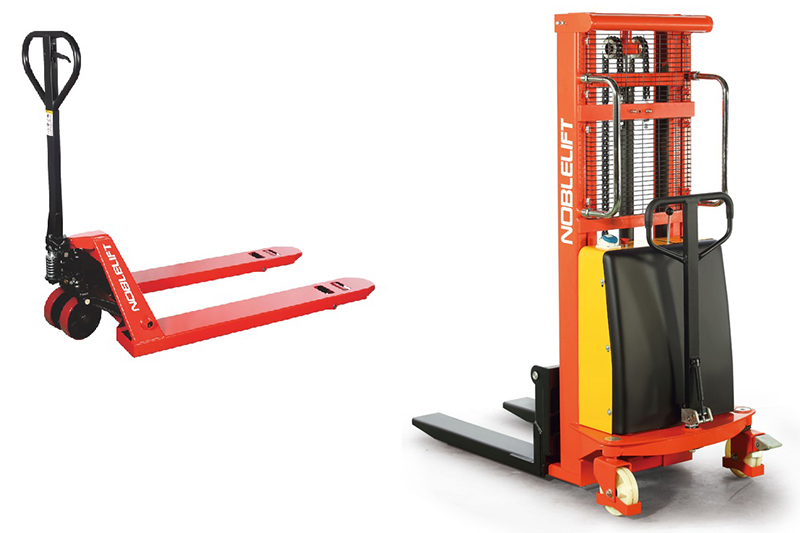
- Interior Infrastructure: Warehouse shelving, toolboxes, and storage racks.
- Appliance Interiors: Washer/dryer drums and dishwasher racks.
- Primer Systems: Used as the base layer in a duplex system for exterior structures.
Key Characteristics
- Maximum Corrosion Barrier: Creates a highly impermeable layer, significantly delaying rust formation.
- Chemical and Solvent Stability: Withstands exposure to aggressive cleaning agents and industrial fluids.
- Exceptional Adhesion: Forms a very strong bond to properly pre-treated metallic substrates.
- Mechanical Toughness: Provides a hard, durable surface resistant to chipping and abrasion (indoor use).
- Cost-Effective Protection: Offers high-level protection at a favorable material cost compared to high-end protective coatings.
Comparison: Epoxy vs. Epoxy-Polyester Hybrid
| Feature | Epoxy (Pure) | Epoxy-Polyester Hybrid |
| UV Resistance | Poor (Chalks rapidly) | Fair (Better than pure epoxy) |
| Chemical Resistance | Excellent | Very Good |
| Overbake Yellowing | Moderate to Severe | Low to Moderate |
| Flexibility/Impact | Good to Very Good | Excellent |
| Cost | Low | Low-Medium |
| Primary Use | Indoor/Primer/Chemical Barrier | Indoor/General Industrial/Appliance |
Why choose us
Customization: We have a strong R&D team,and we can develop and produce products according to different requirement of customers.
Cost: We have our own raw material production center.So we can offer the most favourable price and good-quality products directly.
Quality: We have our own testing lab and the most advanced and complete inspection equipment, which can ensure the quality of our products.
Capacity: Our annual production capacity is over 30000 tons, we can meet the needs of different customers with diverse purchase quantity.
Service: We focus on developing high-quality products for top-end markets. Our products are in line with international standards, and are mainly exported to Europe, America, Southeast Asia, South America and other destinations around the world.
Shipment: We are only 200 kilometers away from the Shanghai Port and 230 kilometers to Ningbo port, it is very convenient and efficient to ship goods to any other countries.
Customization
Quality
Capacity
Service
Shipment
Frequently Asked Questions (FAQs)
- Q: How quickly does epoxy coating begin to chalk in direct sunlight?
- A: Standard epoxy will show noticeable gloss loss and chalking within a few weeks to months of direct, intense UV exposure, making it unsuitable for long-term outdoor use unless overcoated.
- Q: Can this powder be specified for contact with potable water?
- A: Specialized epoxy formulations (e.g., FBE) are used for internal pipe coating, but specific certifications and leaching tests must be met for potable water contact, which requires a specialized grade, not the standard anti-corrosion powder.
- Q: What pre-treatment is necessary to achieve the best anti-corrosion results?
- A: For maximum performance, a multi-stage iron or zinc phosphate process is required on steel, followed by a non-chrome seal. Mechanical preparation (e.g., abrasive blasting) is also effective for heavy-duty applications.
Selection Guide: Epoxy Anti-Corrosion
Choose Epoxy Anti-Corrosion powder coating when the main requirement is:
- The application is strictly indoor, shaded, or will be used as a primer beneath a UV-stable topcoat.
- The component requires maximum chemical and solvent resistance (e.g., lab equipment, chemical storage).
- Superior barrier protection against humidity and moisture is essential for corrosion prevention.
- The application benefits from the high hardness and abrasion resistance provided by the epoxy system.
- A cost-effective material is required for industrial protection where aesthetic stability (color/gloss) is not the primary concern.