
 中文简体
中文简体 English
Hydrophobic Moisture-Repellent Powder Coating
Industrial-grade protective coating solutions: environmentally friendly, durable, and cost-effective.
Intro to Hydrophobic Moisture-Repellent Powder Coating
Hydrophobic Moisture-Repellent Powder Coatings are functional finishes engineered to minimize surface contact with water by creating a very high contact angle (typically >90∘) for water droplets. These coatings incorporate specialized fluorinated or siliconized additives and surface modifiers that reduce the surface energy of the cured film. This low-energy, water-repellent surface causes water to bead up and roll off easily, promoting "self-cleaning," rapid drying, and anti-icing properties, essential for outdoor equipment, electronics, and marine applications.
Surface Energy and Water Contact Angle
Hydrophobicity is a function of the low surface energy achieved by the incorporation of the specialized additives. Water droplets on a hydrophobic surface minimize contact area, forming a near-spherical shape. This phenomenon is quantified by the Water Contact Angle (WCA); the higher the angle (e.g., 100∘ to 120∘), the more effective the repellency. The low-contact, beading action of the water promotes rapid drainage and self-cleaning (the rolling droplets pick up loose dust/dirt). This is crucial for electrical enclosures and exposed electronics, where moisture must be quickly shed to prevent short-circuiting or corrosion initiation. The coating provides the standard protective benefits of the base resin (Epoxy or Polyester) while adding a key functional advantage in moisture control.
Specifications
| Property | Standard Hydrophobic Value |
| Primary Mechanism | Low Surface Energy (Fluorinated/Siliconized Additives) |
| Water Contact Angle (WCA) | High (≥90∘, often ≥100∘) |
| Functional Benefit | Moisture Repellency, Rapid Drying, Self-Cleaning |
| Chemical Base Options | Epoxy (Interior) or Polyester (Exterior) |
| Resistance to Icing | Improved (Prevents strong adhesion of water/ice) |
| Film Porosity | Low (Essential for moisture barrier) |
| Application Focus | Moisture-Prone Electronics, Marine, Outdoor |
| UV Resistance | Base Chemistry Dependent (Polyester for exterior) |
Application Fields
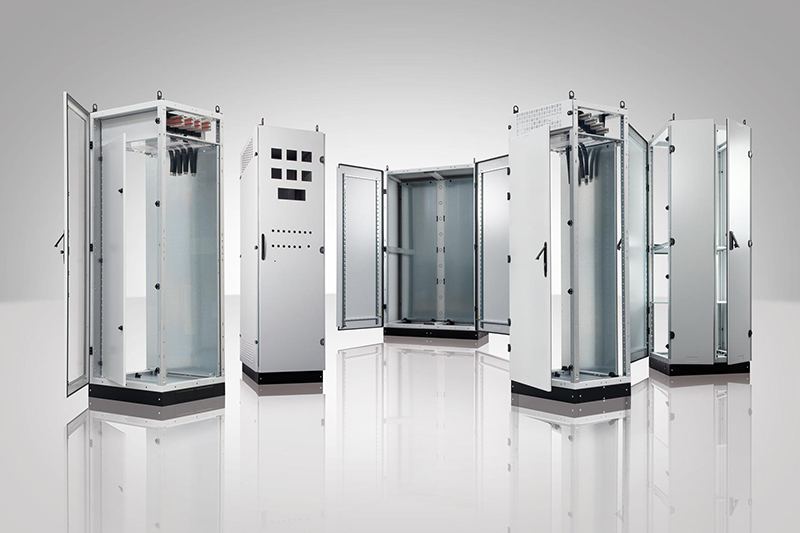
- Electrical Enclosures and Housings: Preventing short-circuiting and corrosion in outdoor switchgear.
- Marine and Boating Equipment: Components exposed to saltwater and high humidity.
- Outdoor Security Cameras and Sensors: Keeping lenses and housings free of water spots.
- HVAC Condensers and Coils: Promoting rapid drainage and preventing water build-up.
- Roofing and Gutters: Industrial metalwork requiring self-cleaning and anti-icing properties.
Key Characteristics
- Superior Water Repellency: Achieves a high Water Contact Angle, causing water to bead and roll off.
- Self-Cleaning Effect: Rolling water droplets carry away surface contaminants (dust, dirt).
- Rapid Drying: Minimizes the time moisture remains on the surface, reducing corrosion risk.
- Anti-Icing: Reduces the surface adhesion of water, making ice formation and removal easier.
- Corrosion Control: Prevents the initiation of corrosion by denying moisture contact.
Comparison: Hydrophobic vs. Standard Powder
| Feature | Hydrophobic Moisture-Repellent | Standard Powder Coating |
| Surface Energy | Very Low (Water-repellent) | Medium/High (Water wets the surface) |
| Water Contact Angle | High (≥100∘) | Low (≤70∘) |
| Drying Speed | Rapid (Water beads off) | Slow (Water forms a continuous film) |
| Contaminant Adhesion | Low (Self-cleaning) | Standard (Traps contaminants) |
| Cost | Higher (Specialty surface modifiers) | Standard |
Why choose us
Customization: We have a strong R&D team,and we can develop and produce products according to different requirement of customers.
Cost: We have our own raw material production center.So we can offer the most favourable price and good-quality products directly.
Quality: We have our own testing lab and the most advanced and complete inspection equipment, which can ensure the quality of our products.
Capacity: Our annual production capacity is over 30000 tons, we can meet the needs of different customers with diverse purchase quantity.
Service: We focus on developing high-quality products for top-end markets. Our products are in line with international standards, and are mainly exported to Europe, America, Southeast Asia, South America and other destinations around the world.
Shipment: We are only 200 kilometers away from the Shanghai Port and 230 kilometers to Ningbo port, it is very convenient and efficient to ship goods to any other countries.
Customization
Quality
Capacity
Service
Shipment
Frequently Asked Questions (FAQs)
- Q: Does a hydrophobic coating make the surface non-stick like Teflon (PTFE)?
- A: Not necessarily. While both often use fluorinated additives, non-stick (low friction/release) is different from low surface energy (water repellency). A PTFE-enhanced coat focuses on friction; a hydrophobic coat focuses on the water contact angle.
- Q: Can the hydrophobic property be washed or scrubbed away?
- A: No. The additives are engineered into the polymer matrix. While abrasive cleaning can damage the film, the fundamental chemical property is retained for the life of the coating.
- Q: Does a glossy surface enhance the hydrophobic effect?
- A: The hydrophobic effect is driven by chemistry (surface energy), not gloss. However, a smooth, glossy surface facilitates the easy run-off of the water droplets compared to a heavily textured surface.
Selection Guide: Hydrophobic Moisture-Repellent
Select Hydrophobic Moisture-Repellent Powder Coating when:
- The component is an electrical or electronic enclosure highly susceptible to moisture damage.
- The application is in a marine, outdoor, or high-humidity environment.
- The design requires rapid water shedding, self-cleaning, or anti-icing properties.
- The coating must break the cycle of moisture accumulation that initiates corrosion and short-circuiting.
- The goal is to provide a durable, high-WCA surface that minimizes surface contact with liquids.