
 中文简体
中文简体 English
High Edge Coverage Powder Coating
Industrial-grade protective coating solutions: environmentally friendly, durable, and cost-effective.
Intro to High Edge Coverage Powder Coating
High Edge Coverage (HEC) Powder Coatings are specialized formulations engineered to maximize the film thickness deposited and retained on the sharpest corners and edges of a metal substrate. Unlike standard powders, which often pull back from edges due to the 'Faraday Cage Effect' during electrostatic application, HEC powders utilize modified charge characteristics and rheology to ensure a continuous and substantial protective layer over these geometrically challenging areas. This is critical for preventing premature corrosion failure on parts like punched holes, cutouts, and weld seams, where the coating film would typically be thin or discontinuous, leading to rust initiation.



Electrostatic and Rheological Optimization
The phenomenon of thin film build on sharp edges is a critical failure point in traditional powder coating. HEC formulations address this through a dual approach. First, the powder is engineered with specific electrical resistivity properties that help mitigate the Faraday Cage effect, allowing powder to penetrate corners more effectively. Second, the flow and leveling characteristics (rheology) are precisely controlled. During the fusion stage, HEC powders exhibit a higher melt viscosity, preventing the molten film from flowing away from the edges and maintaining a continuous, thick film as it cures. This ensures that the minimum protective film thickness required for corrosion resistance (e.g., 60 microns) is maintained across the entire part, including the sharpest corners. HEC coatings are indispensable for parts used in harsh, corrosive environments where any coating discontinuity at an edge would rapidly compromise the entire system's integrity.
Specifications
| Property | Standard HEC Value |
| Edge Build Rate | ≥75% of the flat surface thickness |
| Faraday Cage Effect | Reduced Mitigation Characteristics |
| Melt Viscosity | Higher than Standard Powders |
| Film Uniformity | Superior on complex geometries |
| Corrosion Rating (Edge) | Improved performance on corners/holes |
| Application Method | Standard Electrostatic Spray |
| Substrate Geometry | Sharp edges, corners, internal angles |
| Chemical Base Options | Epoxy, Polyester, or Hybrid |
Application Fields
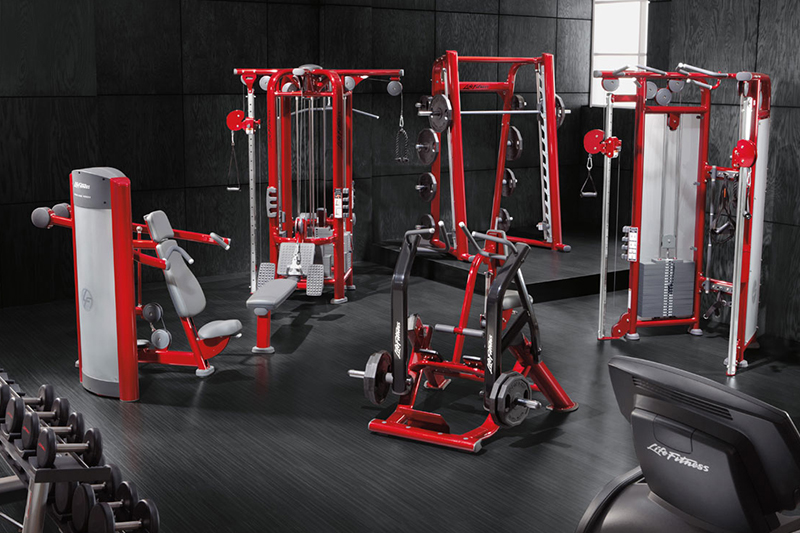
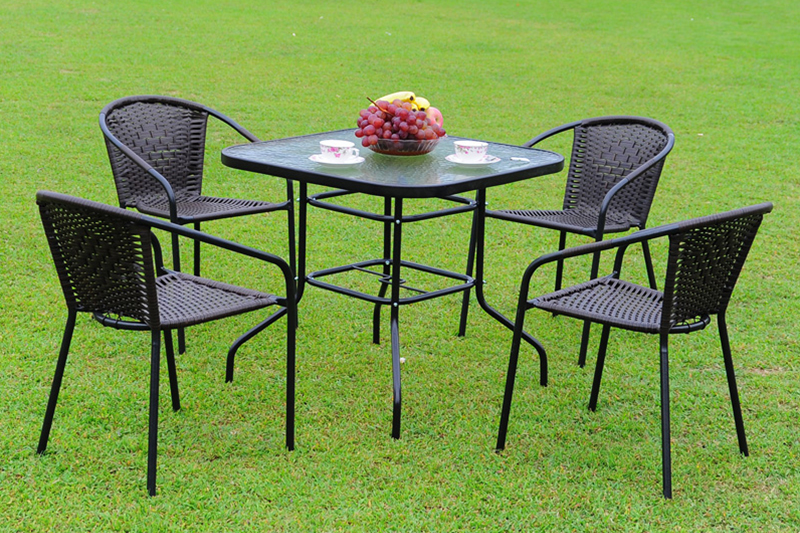
- Outdoor Racks and Shelving: Components with numerous cut edges and weld points.
- Automotive Underbody Parts: Chassis and structural elements prone to stone chips and corrosion at edges.
- Perforated Metal Screens and Filters: Ensuring hole edges are fully coated.
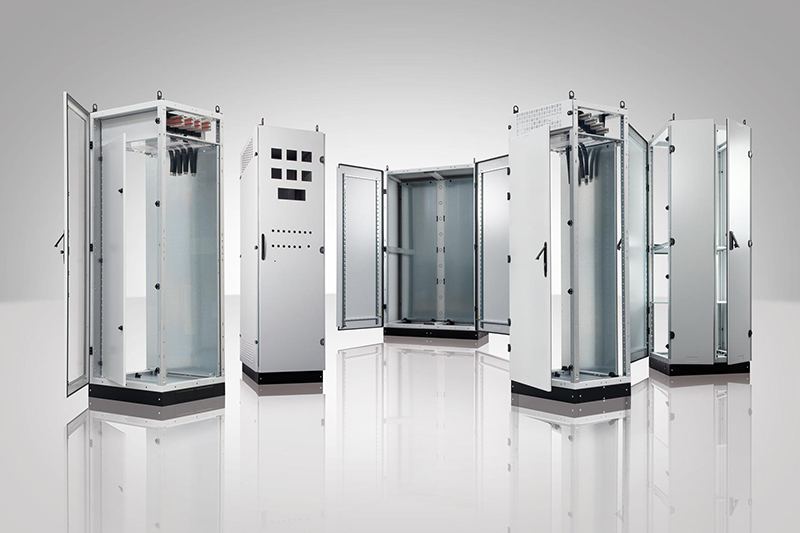
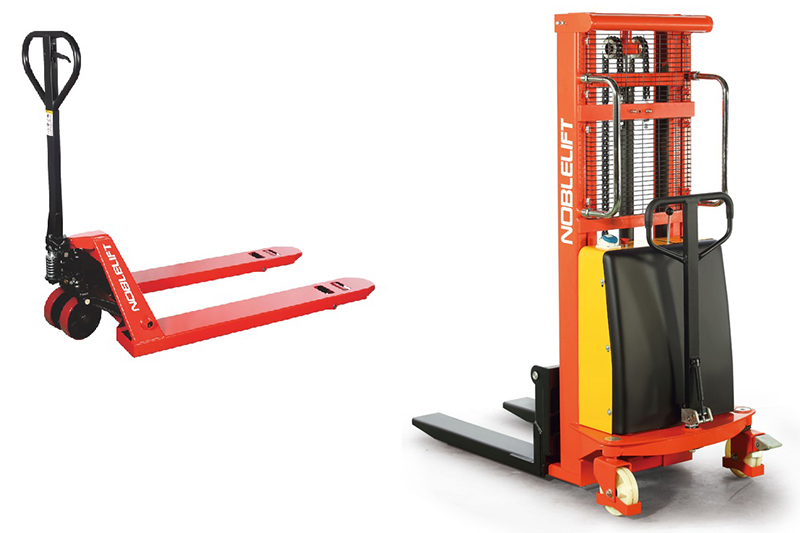
- Complex Fabrications: Parts with sharp bends and corners produced by laser cutting or punching.
- High-Corrosion Environments (C4/C5): Requiring maximum film integrity at all points.
Key Characteristics
- Critical Edge Protection: Ensures minimum film thickness is maintained on sharp corners and cut edges.
- Corrosion Prevention: Eliminates the primary failure point (thin edges) where rust typically begins.
- Enhanced Uniformity: Achieves a more consistent coating thickness across varying part geometries.
- Reduced Rework: Minimizes defects in complex areas, lowering production costs.
- Versatile Chemistry: Can be formulated into various base chemistries (Epoxy for indoor, Polyester for outdoor).
Comparison: HEC vs. Standard Powder
| Feature | High Edge Coverage (HEC) | Standard Powder Coating |
| Film Build on Edges | High (≥75% of flat surface) | Low (<50% of flat surface) |
| Melt Flow (Viscosity) | Higher (Less flow off edges) | Standard (Higher flow) |
| Corrosion Protection on Edges | Excellent | Poor to Fair |
| Powder Cost | Higher (Specialized additives) | Standard |
| Geometry Suitability | Complex, sharp corners | Flat, simple surfaces |
Why choose us
Customization: We have a strong R&D team,and we can develop and produce products according to different requirement of customers.
Cost: We have our own raw material production center.So we can offer the most favourable price and good-quality products directly.
Quality: We have our own testing lab and the most advanced and complete inspection equipment, which can ensure the quality of our products.
Capacity: Our annual production capacity is over 30000 tons, we can meet the needs of different customers with diverse purchase quantity.
Service: We focus on developing high-quality products for top-end markets. Our products are in line with international standards, and are mainly exported to Europe, America, Southeast Asia, South America and other destinations around the world.
Shipment: We are only 200 kilometers away from the Shanghai Port and 230 kilometers to Ningbo port, it is very convenient and efficient to ship goods to any other countries.
Customization
Quality
Capacity
Service
Shipment
Frequently Asked Questions (FAQs)
- Q: Is HEC powder necessary if I use a primer?
- A: HEC powder is still beneficial. While a primer helps, it also tends to thin out at edges. Using HEC as a topcoat ensures the entire system (primer + topcoat) achieves the required minimum thickness at the most vulnerable points.
- Q: Does HEC coating require any special application equipment?
- A: Generally no. HEC powders are formulated to work with standard electrostatic equipment, but optimal results are achieved by maintaining a lower voltage setting and ensuring excellent grounding to further mitigate the Faraday Cage effect.
- Q: Can HEC powder be used on round tubing or smooth radii?
- A: Yes. While designed for sharp edges, HEC powders perform excellently on any geometry, providing a consistently thick and protective film across all surfaces.
Selection Guide: High Edge Coverage
High Edge Coverage Powder Coating is essential when:
- The metal parts contain numerous sharp cuts, punches, or laser-cut edges that are prone to corrosion.
- The components are intended for a highly corrosive or outdoor environment (C3-C5 classifications).
- Failure at an edge would rapidly lead to system failure or high warranty costs.
- The minimum film thickness specification must be met on all geometric aspects of the part, not just flat surfaces.
- The manufacturer seeks to maximize the long-term protective life of fabricated metal components.