EN
Masking is rarely the first thing a team thinks about when planning a powder coating job, but it is often the step that decides whether a part ships or gets scrapped. A thread fused shut, a bushing bore filled with cured film, a grounding surface that no longer conducts: these are all masking failures. Powder coating masking keeps selected areas of a part bare during spraying and curing, protecting threads, contacts, bores, and other critical features.
Powder coating forms a tough, chemically resistant film, which is exactly why it is so hard to remove from places it should never have reached. Electrostatic powder wraps around edges and flows into recesses during cure, so threads, slots, and blind holes are especially vulnerable. Once cured, the only fixes are mechanical chasing, chemical stripping, or scrapping the part. If you are new to the process, our complete powder coating guide walks through each stage from pretreatment to curing.
In practice, masking is needed whenever a feature must remain conductive, mechanically mating, readable, or visually bare:
A practical rule: if a feature will be touched by another component, handled by a sensor, or read by a scanner, it probably needs masking.
The consequences are not cosmetic. On a production line, an unmasked thread can stop an assembly station while an operator chases the thread by hand; on an electrical part, coating that covers a contact can turn a finished component into a safety hazard. Masking is part of the part’s design.
The cure schedule is the first constraint. Thermoset powders typically require a metal temperature of 180–200°C for 10 to 20 minutes, and the mask must stay stable for the entire cycle. Ordinary packing tape fails immediately. The practical options fall into six families:
| Material | Temperature Resistance | Best Used For | Reusable |
|---|---|---|---|
| Polyimide tape | Up to 260°C | Fine lines, contacts, die-cut shapes | No |
| Polyester film tape | 180–200°C short cycles | General taping, threads, edges | No |
| Aluminum foil tape | 260°C and above | Irregular surfaces, heat reflection | No |
| Silicone plugs and caps | 230–260°C | Threads, bores, studs | Yes |
| Silicone tape | Around 220°C | Curved wraps, flexible edges | Yes, with care |
| Liquid maskant | Up to about 200°C | Complex contours, dip coating | No |
Each family has a different trade-off. Tape is precise but single-use; silicone tools cost more up front but pay back over many cycles; liquid maskants handle geometry that tape cannot reach but need drying time before spraying. Run a simple oven test on a scrap part at your real cure temperature before standardizing.
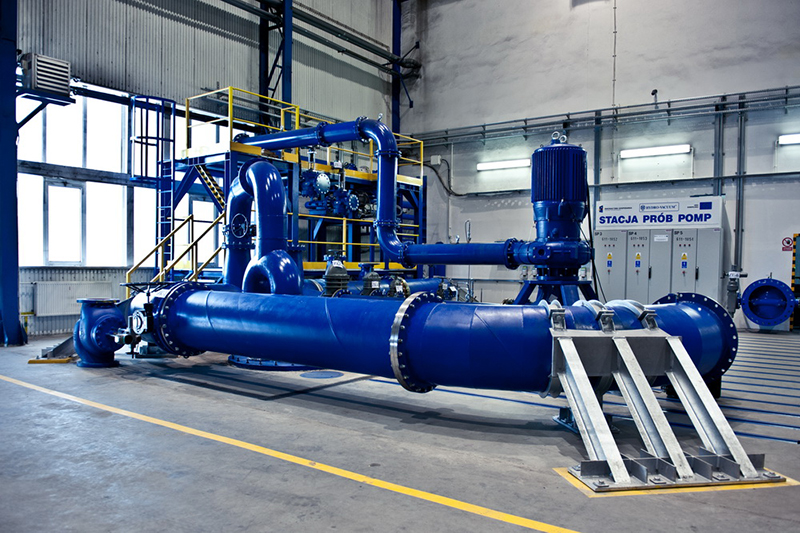
The coating formulation also matters. Parts headed for high-heat or heavy-duty service usually need a denser film and stricter contamination limits. Huacai’s high-temperature resistant powder coating, for example, is formulated for engines, exhausts, and oven housings where even a trace of mask residue causes rejection.
 High Temperature Resistant Powder Coating for Heavy-Duty ServiceThis coating is formulated for engine, exhaust, and oven components where heat resistance and low contamination are critical. Its weather-resistant base suits demanding environments, making it a relevant choice when planning masking around bare features.View Product →
A good masking plan is made before the first part is racked. Walk through the component with the drawing, identify every feature that must stay bare, and assign a method to each. These patterns are the most common in industrial powder coating:
Silicone caps or plugs are the fastest solution. For low volumes, running a clean bolt into the hole and removing it after cure works, though the bolt occupies oven space and the film edge may sit slightly proud. Caps must seat fully; any gap becomes a bleed path.
Use plugs with a controlled tolerance and a soft sealing lip. Tape is risky inside bores because its edge can lift under powder flow. For large bores, a die-cut silicone disc held by a mechanical clamp is more reliable than tape.
Die-cut polyimide tape is the default. It holds a crisp edge, survives the full bake, and leaves little residue. Avoid silicone plugs on silver-plated contacts, since silicone vapor can migrate and cause intermittent contact failure.
Functional masking becomes more demanding on automotive components. When you apply automotive powder coating to a bracket, caliper, or wheel, every fastener seat, sensor pad, and balance-weight area must stay clean. A finished assembly or a line-stop often comes down to the quality of that mask.
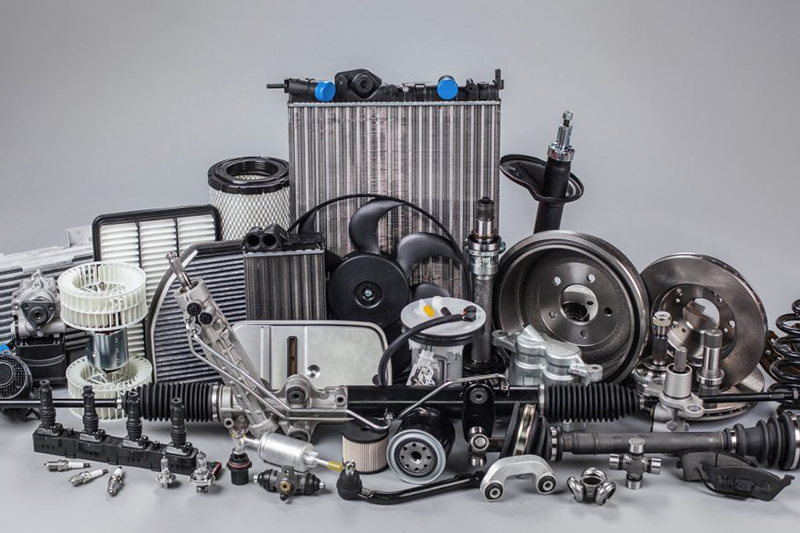
 Automotive Powder Coating for Outdoor and Long-Term ExposureDesigned for brackets, calipers, and wheels, this polyester-based coating offers excellent mechanical and weathering performance. It supports various textures and colors, and its ability to withstand outdoor exposure aligns with the masking demands highlighted in automotive finishing.View Product →
Forklift parts follow the same logic. Hydraulic ports, grease fittings, and load-bearing surfaces stay masked while the main body receives a wear-resistant finish; most forklift powder coating programs carry a small inventory of standardized silicone plugs sized to their model family.
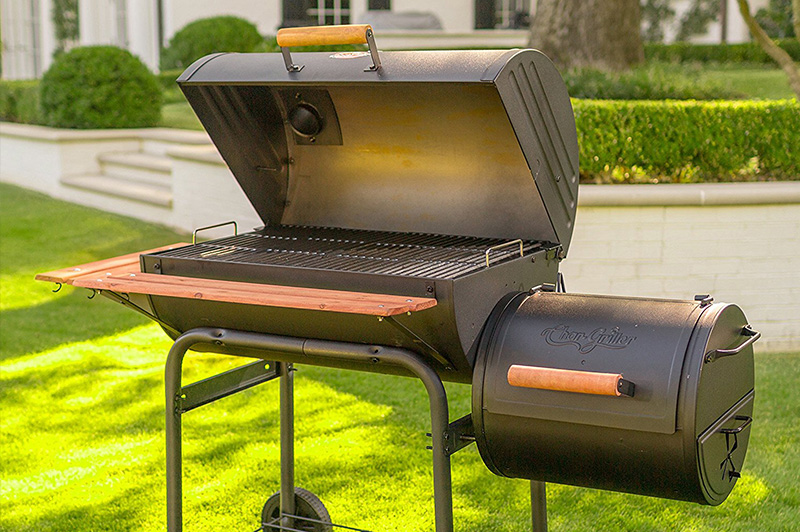
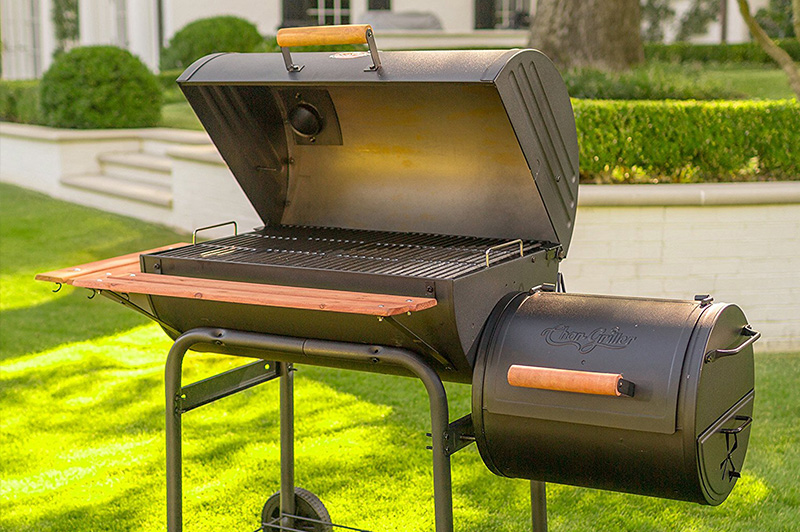
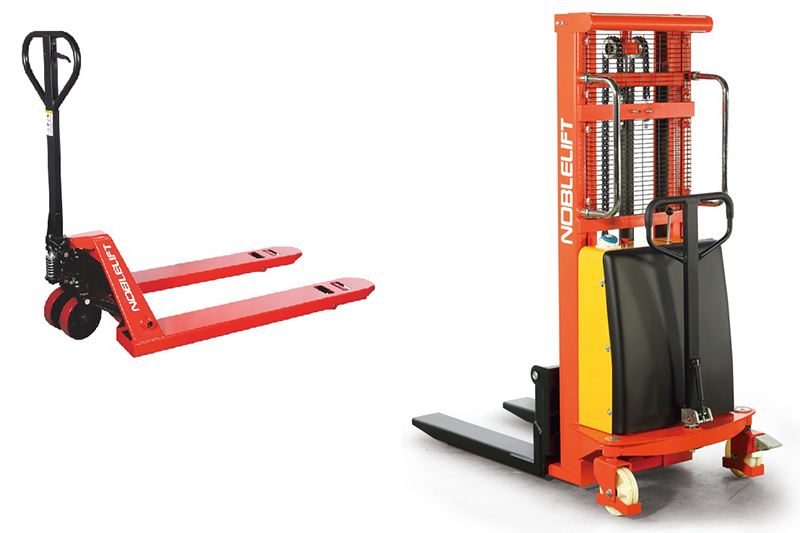 Forklift Powder Coating with Wear-Resistant Epoxy-Polyester BlendThis coating combines decorative appeal, mechanical toughness, and corrosion resistance, suitable for forklift bodies and indoor equipment. Its durable finish complements standardized masking practices for hydraulic ports and load-bearing surfaces, supporting consistent line results.View Product →
Consistent results come from a repeatable procedure. The following sequence works on most industrial lines:
For high-volume production, consider die-cut tape shapes or a dedicated plug board. The small investment usually pays for itself in reduced scrap within a month.
Even disciplined lines see occasional defects. The table below covers the failures that appear most often in masking audits.
| Problem | Likely Cause | Correction |
|---|---|---|
| Adhesive residue or ghost marks | Mask removed too hot; adhesive not rated for the bake | Switch to silicone or polyester adhesives; remove mask after cooling; clean residue with isopropyl alcohol |
| Powder bleed under the tape edge | Tape not burnished; wrinkled application; booth air flow lifting the edge | Burnish the full edge; use a wider tape; reduce turbulence near recesses |
| Tape baked onto the part | Oven over-temperature or cycle beyond tape rating | Verify the oven profile; switch to polyimide or silicone for that zone |
| Fisheyes around the masked area | Silicone contamination transferred from plug or release agent | Clean plugs before first use; avoid silicone release sprays near the line |
| Visible shadow at the mask line | Thermal edge effect during cure | Remove mask while part is still warm; shorten the oven cycle if possible |
Whenever a new defect appears, document the part, mask type, and oven profile. Masking issues are systematic; they reproduce until the root cause is removed.
No masking program can compensate for a coating that cures unpredictably, flows poorly, or carries contamination. Powder with stable flow, a defined cure window, and controlled fine content behaves consistently at the mask edge; variable powder makes every mask a gamble.
Huacai has manufactured powder coatings for industrial and architectural customers since 1998, with a 30,000-tonne annual capacity across 34 production lines and a German Zeppelin bonding machine for metallic series. The Zhejiang plant and the Guangdong plant, opened in 2016, serve customers nationwide with the same batch-to-batch discipline. You can review Huacai’s production and company background for more detail.
When masking becomes a recurring headache, the cure schedule and the powder chemistry deserve as much attention as the tape. Huacai’s technical team routinely advises customers on cure windows, edge coverage, and selective-coating applications for parts that combine mechanical functions with decorative surfaces.
For a typical 180–200°C cycle, polyimide tape and polyester tape with a high-temperature silicone adhesive are the common choices. Avoid PVC or acrylic general-purpose tapes; they melt, smoke, and leave residue. Verify the tape rating against your actual oven profile.
Yes. Good-quality silicone plugs survive many cycles if they are not overheated or mechanically damaged. Clean them with a soft brush and a silicone-safe solvent, and inspect periodically for burns, cracks, or softening.
After sandblasting and pretreatment, just before spraying. Masking earlier traps abrasive dust and chemicals under the adhesive, which causes corrosion or adhesion failures later. The mask only needs to survive the booth and oven, not the wash line.
A die or tap can clean standard threads, but it is risky for fine pitches and tolerance-critical fasteners. Chemical stripping or gentle media blasting removes the film without cutting the base metal. Prevention with a properly seated plug is cheaper than any fix.
Yes. A slightly proud film edge is normal where coating meets a mask. If you need a perfectly flush transition, plan the mask line along a machined step or allow a post-cure machining pass on that feature.
Powder coating masking deserves a place in the part design review, not just a roll of tape beside the spray booth. Choose materials rated for the actual cure cycle, press them down with intent, remove them at the right temperature, and keep the coating formulation consistent. When those basics are in place, the same line that once produced rejects will produce clean, functional parts shift after shift.
If you are developing a new coated product or troubleshooting an existing line, Huacai’s technical team can help align the coating specification with the masking plan. Starting that conversation early shortens the path to a reliable finish.


Copyright © Zhejiang Huacai Advanced Material CO., LTD. All Rights Reserved. Powder Coating Manufacturers

 中文简体
 English