EN
Powder coating plastic parts is not a simple adaptation of a metal finishing line. When the same 200 °C oven curve, standard polyester powder, and bare electrostatic application are used on a plastic part, the result is usually warpage, poor transfer efficiency, or a coating that flakes off within weeks. The plastic's heat deflection temperature (HDT), surface energy, and lack of electrical conductivity make the process fundamentally different.
The good news is that a growing number of engineers are successfully applying powder coatings to specific plastic substrates. The key is to choose a powder formulation whose curing window stays comfortably below the plastic's HDT, and to plan the surface preparation with as much care as you would for a steel part. This guide focuses on what works, what fails, and the real-world criteria you can use to evaluate a coating supplier for a powder coating plastic project.
Powder coating works on metal because the substrate tolerates oven temperatures above 180 °C, is electrically conductive, and has a surface profile that anchors the cured film. Plastics break one or more of these assumptions before the powder even reaches the gun.
Most thermoplastics deform below 150 °C. Standard powders cure at 180-200 °C.
Charge build-up causes back-ionization and uneven film build.
Adhesion cannot rely on mechanical bonding alone. Surface activation is essential.
These three factors explain why a plastic part needs a low-cure powder, a conductive ground path or special application method, and a pretreated surface before any coating can be expected to perform.
SMC/BMC compounds, glass-filled PBT, PA66, and PPS can withstand the heat of a low-temperature or even a conventional cure. They are the most common substrates in successful powder coating on plastic programs.
PE, PP, PVC, and unmodified styrenic blends usually deform below the point where the powder can melt and flow. Even if they survive the oven, their low surface energy makes adhesion unreliable.
| Plastic Type | Typical HDT | Suitability | Notes |
|---|---|---|---|
| SMC / BMC (thermoset) | 200 °C+ | Excellent | Automotive and electrical housings |
| PBT (glass-filled) | 200-220 °C | Very good | High mechanical strength |
| PA66 (nylon 66) | 150-200 °C | Good | Needs surface activation |
| PPS | 220 °C+ | Excellent | Aerospace and automotive parts |
| ABS | 90-100 °C | Marginal | Only with low-bake powder |
| PC | 120-130 °C | Marginal | Edge damage risk |
| PP / PE | 60-110 °C | Not recommended | Low surface energy |
These formulations are engineered to flow, gel, and cross-link at 120-150 °C. For many engineering plastics, choosing low-temperature cure powder coating materials is the first step toward a viable powder-on-plastic process.
The plastic part is preheated to a temperature close to its HDT, then electrostatically sprayed immediately. The powder melts and fuses on contact. This method works for flat or thick-walled parts, but the window between preheat and spray is short and difficult to control on complex geometry.
In PIMC, powder is sprayed into a preheated compression mould, where it begins to gel. The plastic substrate is then formed inside the mould, and the coating becomes an integral layer on the finished part. PIMC is widely used for automotive interior components and electrical covers because it delivers high consistency and excellent adhesion.
| Method | Oven / Mould Temp | Minimum HDT Required | Typical Applications |
|---|---|---|---|
| Low-temperature cure | 120-150 °C | 130-160 °C | ABS, PC, PBT enclosures |
| Preheat and spray | 100-140 °C (part) | 120-150 °C | Flat panels, housings |
| PIMC | 150-200 °C (mould) | 150-200 °C | Automotive interiors, electrical covers |
The logic for selecting a powder is simple: it must cure below the plastic's damage threshold, adhere after the specified surface preparation, and meet the end-use environment. Start with the resin family, then move to functional additions.
For outdoor plastic components such as agricultural machinery panels, exterior lamp housings, and electrical enclosure covers, super-durable polyester powder coatings provide the UV resistance and gloss retention needed for years of exterior service.
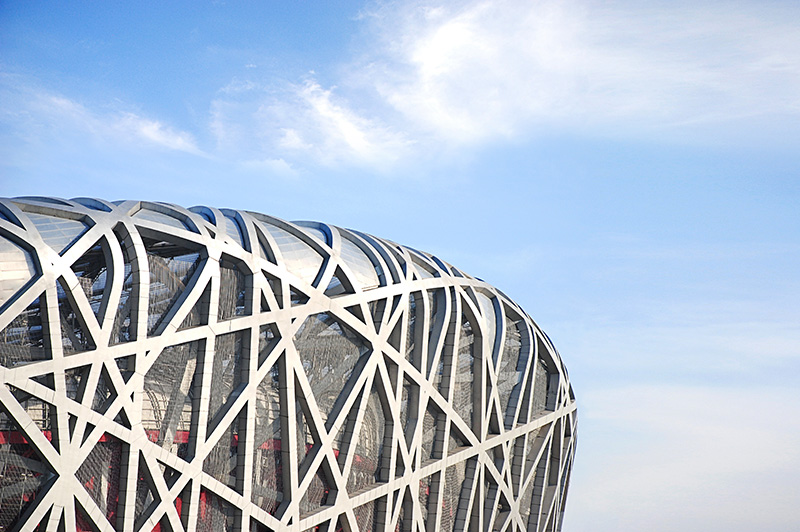 Super Durable Polyester Powder Coatings for Outdoor Plastic PartsThis coating series offers 10-15 years of weather resistance and UV protection, making it ideal for exterior plastic components like agricultural panels and lamp housings that require long-term performance.View Product →
For parts where the original plastic appearance must remain visible, a clear powder coating adds a thin protective layer without masking the substrate. This is especially common on medical devices, consumer electronics housings, and decorative interior trim.
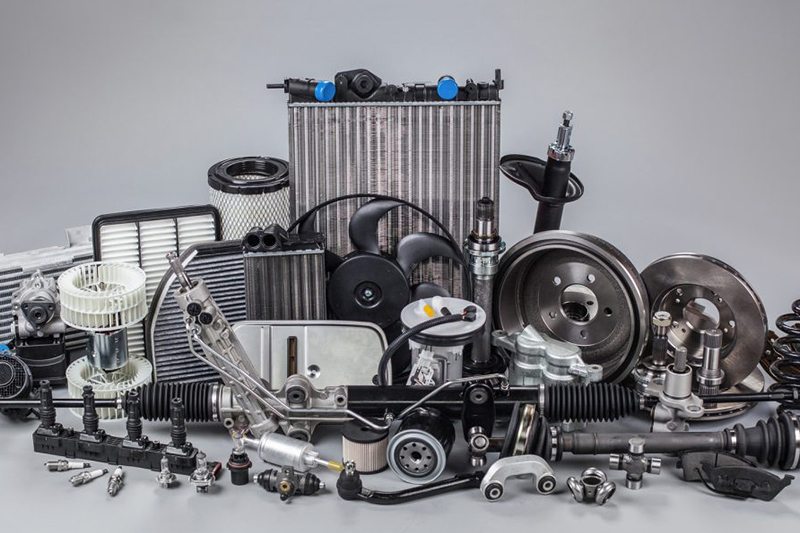 Clear Powder Coating for Preserving Plastic AppearanceThis transparent powder provides a thin protective layer without masking the substrate, suitable for medical devices and consumer electronics where the original plastic surface must remain visible.View Product →
Moulded parts with ribs, bosses, and sharp edges are prone to thin coating at the corners. Specifying powder coatings with high edge coverage minimizes the risk of premature rust or mechanical damage at critical points.
Before releasing a powder-on-plastic process for production, the coating should be validated with a short but rigorous test sequence. The evaluation must include thermal cycling, because the coating and the plastic expand and contract at different rates.
| Test | Standard | Typical Requirement |
|---|---|---|
| Cross-hatch adhesion | ASTM D3359 | 4B-5B after thermal cycling |
| Impact resistance | ASTM D2794 | 20-40 in-lb at 22 °C |
| Salt spray | ASTM B117 | 500-1000 h for outdoor parts |
| Cyclic thermal | Internal | 10 cycles from -40 to +80 °C |
| Chemical spot | ASTM D1308 | No softening or delamination |
Not every powder manufacturer has experience with plastic substrates. The questions below reveal whether a supplier can support a powder coating plastic project with real data rather than assumptions.
For public infrastructure components and urban plastic fixtures that face graffiti and long-term soiling, a supplier with access to anti-graffiti powder coating technology is a practical advantage. A manufacturer that can document the cleanability and weatherability of its coating across multiple plastic substrates will shorten your qualification cycle.
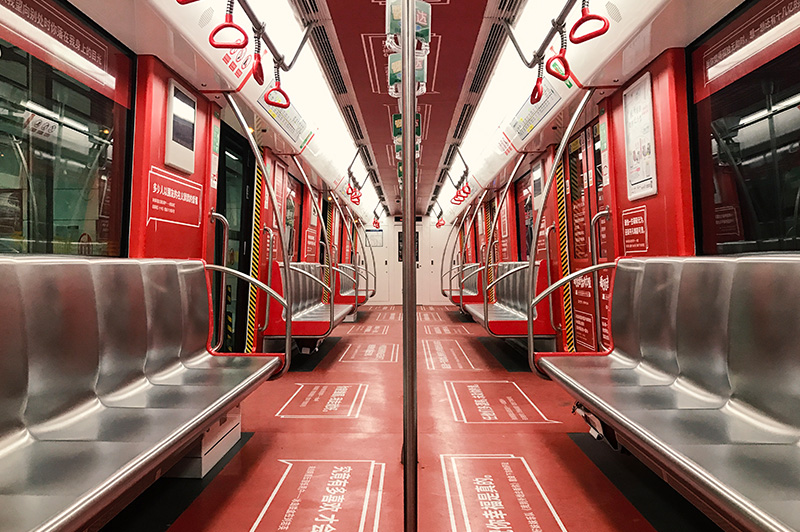 Anti-Graffiti Powder Coating for Public Plastic FixturesDesigned for urban plastic components exposed to graffiti and soiling, this coating facilitates easy cleaning and withstands weathering, helping to shorten qualification cycles for infrastructure projects.View Product →
No. Only plastics with sufficient heat resistance and good surface energy after pretreatment are suitable. If the plastic melts, warps, or loses its structure below the curing temperature of the powder, conventional powder coating is not viable.
A practical minimum is 130 °C for low-temperature cure powders. Below that threshold, the risk of distortion, oxidation, and loss of mechanical strength becomes unacceptably high.
For many plastic parts, yes. A thin conductive primer improves electrostatic deposition and eliminates back-ionization. For PIMC and preheat-spray methods, the primer is not always required.
The standard range is 60-100 µm for decorative powder coatings on plastic. Higher film thickness improves edge coverage but may cause stress cracking on certain substrates.


Copyright © Zhejiang Huacai Advanced Material CO., LTD. All Rights Reserved. Powder Coating Manufacturers

 中文简体
中文简体 English