EN
Furniture manufacturers and cabinet fabricators face a common problem: liquid paints and lacquers chip, scratch, and fade long before the underlying metal or substrate wears out. As interior products move through warehouses, retail floors, and years of household handling, the finish is usually the first thing to fail. Powder-based finishing systems were developed specifically to close this gap, and for indoor applications the technology has matured well beyond simple flat colors into textured, wood-effect, and high-gloss options that hold up to daily contact.
This article looks at how Indoor Metal Furniture Powder Coating and Cupboard powder coating systems are formulated, how they are applied, and what fabrication teams should evaluate before switching a production line to powder.
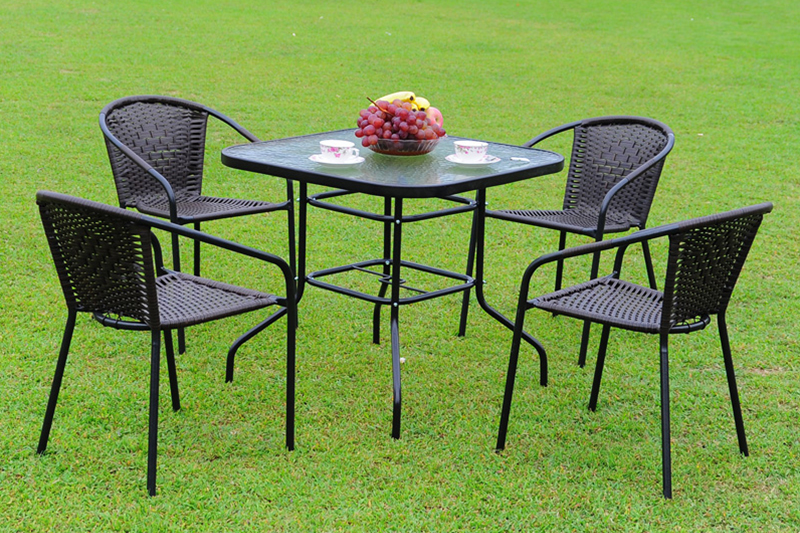
Interior metal furniture, including shelving frames, cabinet carcasses, drawer systems, and decorative panels, is handled far more often than most people assume. Doors swing open dozens of times a day, drawer edges take repeated contact from hands and keys, and cleaning cloths carry mild abrasives during routine maintenance. A finish that looks acceptable on day one but degrades within a year creates warranty claims and reputational damage for the manufacturer.
Three failure modes dominate complaints about liquid-coated interior furniture:
Powder coating addresses each of these through a fundamentally different film structure. Because the coating is applied as a dry, electrostatically charged powder and then cured into a continuous cross-linked film, it typically produces a thicker, more uniform layer than a comparable liquid coat, without the solvent-related thin spots that liquid application can leave at corners and edges.
Indoor Metal Furniture Powder Coating formulations built on polyester-epoxy hybrid resin chemistry are chosen specifically for interior use because they balance mechanical toughness with color and gloss stability under indoor lighting. Unlike pure epoxy systems, which tend to chalk when exposed to any UV light, hybrid systems hold their appearance for years in office, retail, and residential settings.
Hardness and film thickness matter because they directly determine how a coated surface behaves under the kind of repeated mechanical contact described earlier. A film in the 2H to 3H pencil hardness range resists surface marring from keys, jewelry, and cleaning tools far better than a soft, low-build lacquer, while still retaining enough flexibility to avoid cracking if the metal substrate flexes slightly during shipping or installation.
A properly cured polyester-epoxy hybrid film does not simply sit on top of the metal; it forms a cross-linked network that becomes mechanically and chemically bonded to the pretreated surface, which is why adhesion failure is rare when the pretreatment stage is done correctly.
Cupboards and cabinets present a slightly different challenge than open furniture frames because they combine high-touch hardware zones (hinges, handles, edges) with large flat panel areas where color consistency and gloss uniformity are highly visible. Cupboard powder coating systems are typically formulated with slightly finer particle size distribution to achieve smoother flow-out on large door panels, reducing the orange-peel texture that can appear with coarser powders.
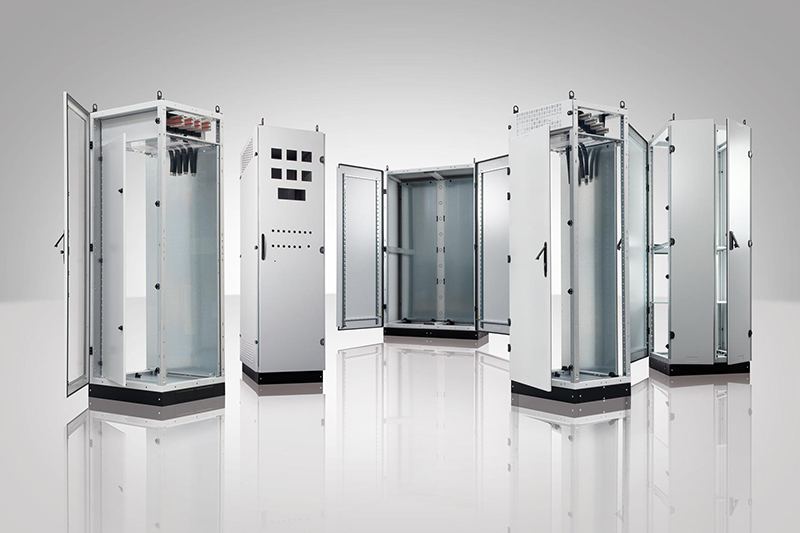
Fabricators working with cupboard and cabinet lines should pay attention to three formulation variables when selecting a coating system:
| Variable | Why It Matters for Cabinets | Practical Guidance |
|---|---|---|
| Particle size distribution | Affects flow-out smoothness on large flat door panels | Finer distribution generally improves surface leveling |
| Gloss level | Determines how visible minor surface imperfections appear | Semi-gloss finishes hide handling marks better than high gloss |
| Edge coverage | Corners and edges are the first areas to show wear | Verify film build at edges during quality inspection, not just center panel |
Choosing between coating chemistries is one of the most consequential decisions in a furniture or cabinet production line, since it affects line speed, curing infrastructure, and long-term product performance. The table below summarizes how the main interior-suitable technologies typically compare.
| Coating Type | Indoor Durability | Color and Gloss Retention | Application Waste |
|---|---|---|---|
| Polyester-epoxy hybrid powder | High | Good under indoor lighting | Low, overspray reclaimable |
| Pure polyester powder | High | Very good, including near-window areas | Low, overspray reclaimable |
| Solvent-based liquid paint | Moderate | Moderate, prone to earlier fading | Higher, solvent loss during application |
| Water-based liquid paint | Moderate | Moderate | Moderate |
Hybrid systems remain the most common choice specifically for indoor metal furniture and cupboards because they cure at somewhat lower temperatures than pure polyester powders, which can be useful for substrates with tighter dimensional tolerances or heat-sensitive components already attached during coating.
One of the more notable developments in interior powder coating has been the ability to replicate wood grain visuals on metal substrates. This matters commercially because many furniture designs mix metal frames with wood-look cabinet fronts for a cohesive appearance, and matching the two materials visually used to require actual wood veneer, which brings its own maintenance and moisture concerns.
Wood-effect powder coating is typically achieved through one of two approaches:
Both methods retain the mechanical protection of a standard powder film underneath the visual layer, meaning scratch and corrosion resistance are not compromised for the sake of appearance. This is a meaningful advantage over painted wood-grain finishes, which typically wear at a different rate than the printed pattern beneath them, causing visible mismatch over time.
Consistent results depend on following the coating process in the correct sequence. Skipping or rushing the pretreatment stage is the most common cause of premature coating failure in field reports.
Each stage in this sequence contributes to the finished product differently. Pretreatment establishes the chemical bond between substrate and coating, powder application determines film thickness and uniformity, and cure profile controls cross-link density, which is directly tied to the final hardness and chemical resistance of the film. Skipping proper pretreatment can cut adhesion performance dramatically even if the powder itself is high quality.
Buyers evaluating a coating supplier for furniture or cabinet programs should ask for test data referencing recognized methods rather than relying on visual samples alone. Common reference points include:
| Property | Common Test Reference | What It Confirms |
|---|---|---|
| Adhesion | Cross-hatch or cross-cut adhesion test | Bond strength between film and substrate |
| Impact resistance | Direct and reverse impact test | Resistance to sudden mechanical shock |
| Flexibility | Mandrel bend test | Ability to withstand substrate flexing without cracking |
| Corrosion resistance | Neutral salt spray exposure | Long-term protection of underlying metal |
| Gloss retention | Accelerated weathering exposure | Color and gloss stability over simulated years of exposure |
Requesting this documentation as part of a supplier qualification process is a straightforward way to filter out coatings that look acceptable on a sample chip but have not been validated against realistic handling and environmental conditions.
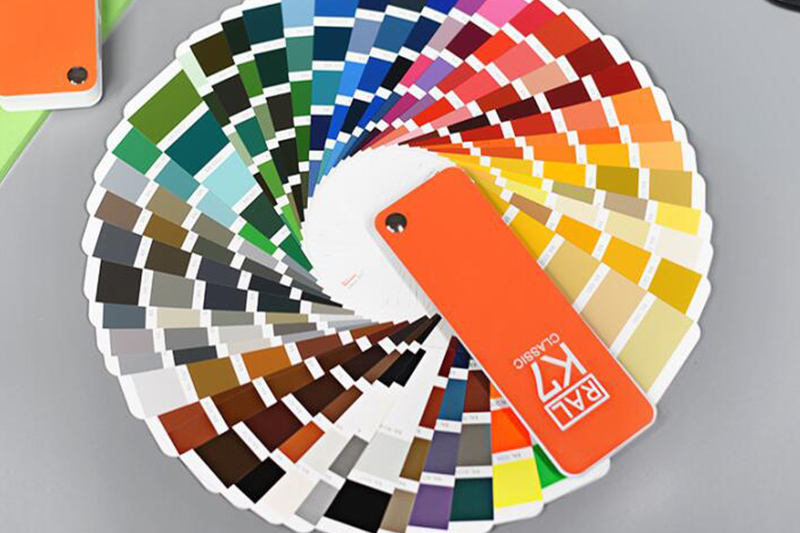
Interior design trends move faster than most industrial coating cycles, so manufacturers benefit from working with coating systems that offer a broad and updatable color library rather than a fixed palette. Popular current directions for furniture and cabinet lines include:
Because powder coating allows precise, repeatable color matching batch to batch, manufacturers running multi-piece furniture sets, such as a cabinet body paired with metal trim or hardware, can maintain visual consistency across components even when they are produced in separate coating runs.
Sustainability has become a practical purchasing criterion for many furniture buyers, not just a marketing consideration. Powder coating systems generally compare favorably to solvent-based liquid finishes on several environmental measures:
For manufacturers documenting environmental claims to retailers or end customers, these process-level advantages are usually easier to substantiate than broad sustainability statements, since they relate directly to measurable application waste and emissions data.
Under normal indoor conditions, a properly applied polyester-epoxy hybrid powder finish commonly performs well for a decade or more before any noticeable fading or wear becomes apparent, assuming correct pretreatment and cure were followed during manufacturing.
Powder coating is applied to conductive substrates, so metal components are coated directly while wood or composite panels are typically finished separately and then assembled, or replicated visually through wood-effect powder techniques on metal parts.
Edge chipping usually traces back to insufficient film build at corners during application, inadequate pretreatment adhesion, or repeated sharp impact from hardware and adjacent surfaces rather than a general weakness in the coating chemistry itself.
Matte and semi-gloss finishes tend to conceal fingerprints, light scuffing, and minor handling marks more effectively than high-gloss finishes, making them a common practical choice for kitchen and storage cabinets subject to frequent contact.
Powder coating bonds directly to a metal substrate and resists moisture penetration at edges, while laminate relies on an adhesive bond that can delaminate over time, particularly in humid environments; powder coating is generally the more durable option for long-term edge integrity.


Copyright © Zhejiang Huacai Advanced Material CO., LTD. All Rights Reserved. Powder Coating Manufacturers

 中文简体
中文简体 English