EN
Powder coating technology has become an essential method for modern industrial surface finishing, with applications far exceeding traditional liquid paint. Powder coating can be successfully applied to various conductive and non-conductive materials, providing excellent protection and decorative finishes across different industries. Whether for household appliances, automotive parts, or structural components, powder coating delivers durable surface treatment solutions that stand the test of time.
Metals represent the most widespread application base for powder coating. Due to their exceptional electrical conductivity, metals are particularly suitable for electrostatic spray application processes. Steel, aluminum, copper, and their alloys can all achieve high-quality surface finishing through powder coating.
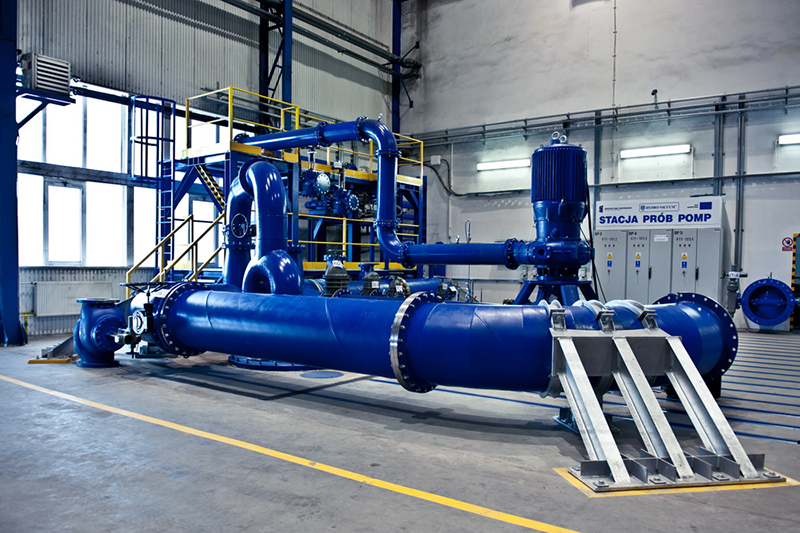
Steel stands as the preferred material for powder coating due to its high strength and cost-effectiveness. Prior to powder coating application, steel surfaces require thorough degreasing and rust removal to ensure optimal adhesion between the coating and substrate. Common application areas include:
Steel products treated with powder coating typically achieve over 10 years of corrosion protection lifespan, making them particularly valuable in industrial protective applications.
Aluminum is widely used in consumer and construction applications due to its lightweight properties, excellent corrosion resistance, and superior aesthetic qualities. Unlike steel, aluminum surface treatment requires specialized pretreatment processes such as chromate or zirconium conversion coating to enhance coating adhesion and protective performance. Typical applications of aluminum products include:
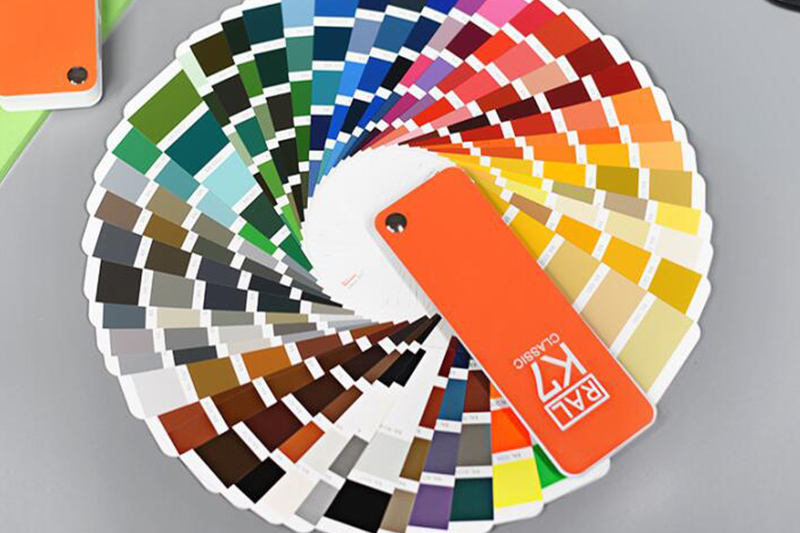
Aluminum powder coating typically offers richer color selections and gloss effects, meeting the aesthetic requirements of high-end consumer products.
Beyond steel and aluminum, copper, zinc, nickel, and their alloys can all be successfully processed with powder coating. These materials are typically used in specialized industrial applications, such as high-temperature environments, corrosive settings, or situations requiring specific performance characteristics. Appropriate powder coating types can be selected based on different usage environments and performance requirements to achieve optimal protection.
Traditional powder coating applications focused primarily on conductive metal materials, but with technological advancement, certain specialized powder coating products now support application on non-metal substrates. This expansion extends powder coating possibilities to more diverse products and opens new surface treatment options.
Applying powder coating to plastic products presents unique challenges. Conventional electrostatic spray methods are difficult to apply on non-conductive plastics, but through specialized intermediate layer treatments or innovative techniques such as three-dimensional spray guns, certain plastic components can now achieve powder coating applications. These applications are primarily concentrated in:
For most commercial-grade plastic products, traditional liquid coatings or alternative coating methods remain more economically practical choices.
Glass and ceramic products, through specialized surface pretreatment such as conductive layer coating or specially formulated powder products, can also undergo powder coating processes. These applications typically appear in industrial or architectural contexts and require highly professional operation. Certain high-end architectural decorative glass and ceramic products utilize this process to achieve distinctive aesthetic effects and exceptional weather resistance.
The application scope of powder coating in the automotive industry continues to expand. While complete vehicle bodies typically employ liquid paint systems, powder coating applications in automotive components have reached over 30 percent of industry average levels and continue growing.
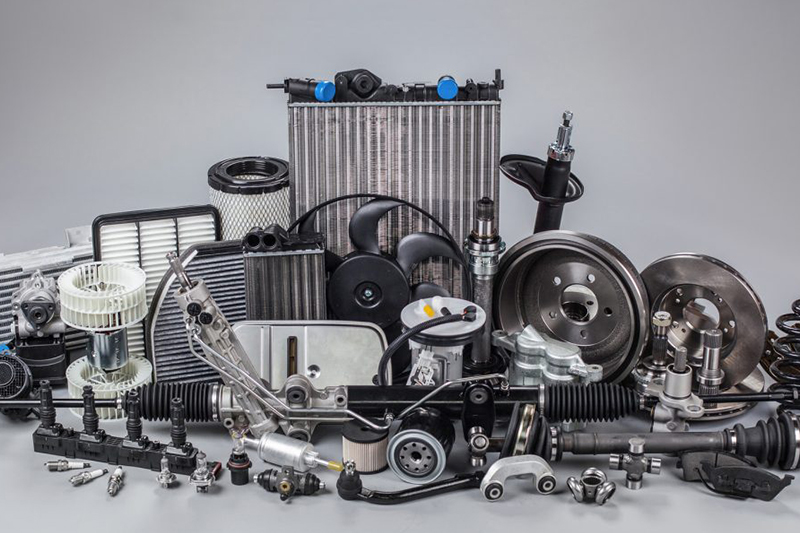
Powder coating demonstrates significant advantages on the following automotive parts:
| Component Type | Application Advantages |
| Aluminum radiators | Corrosion resistant, maintains heat dissipation |
| Wheel hubs and brake components | Heat resistant, excellent aesthetic appeal |
| Suspension and bracket assemblies | Rust prevention, extended service life |
| Battery enclosures and wire harness clips | Environmentally friendly, strong corrosion resistance |
Powder coating for automotive components offers multiple advantages compared to traditional liquid coatings. The complete coating system provides comprehensive solutions from protection to decoration. First, powder coating processes generate minimal solid waste, aligning with increasingly stringent environmental requirements in automotive manufacturing. Second, coating thickness is uniform, ensuring component consistency and reliability. Finally, production efficiency is high, meeting the demands of large-scale automotive manufacturing.
With rapid development of the new energy vehicle industry, powder coating application needs present new characteristics. Battery enclosures, motor brackets, high-voltage connectors, and other emerging components demand higher coating requirements for electrical conductivity, high-temperature resistance, and corrosion protection. Powder coating products specifically designed for new energy vehicles are gradually replacing traditional liquid coatings, contributing to the industry's green transformation.
For those encountering powder coating for the first time, understanding basic process workflows and precautions is crucial. While powder coating application is relatively straightforward, each process step requires strict control to ensure final coating quality.
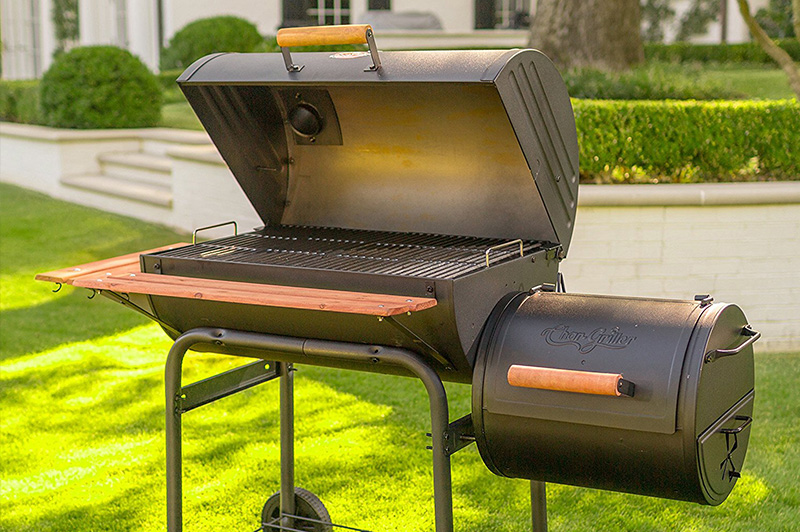
Before beginning powder coating application, first confirm whether the target object's material is suitable for powder coating processes. Conductive metal materials represent the ideal choice, including:
After confirming the material, substrate surface cleanliness has the greatest impact on final coating quality. Oil residue, rust, old coatings, and other contaminants require thorough removal, typically necessitating specialized pretreatment equipment.
Powder coating beginners need to understand the complete application process:
Each step has specific technical requirements and operational standards that beginners should gradually master under professional guidance.
Frequent errors made by beginners include inadequate pretreatment resulting in poor coating adhesion, improper spray distance or angle causing uneven surfaces, and inaccurate curing temperature or time leading to substandard coating performance. These issues can all be avoided through strict adherence to operating procedures and comprehensive training. Beginners are advised to start practicing with small, simple workpieces and gradually accumulate experience.
Powder coating operations involve multiple potential safety and environmental concerns. Spray environments require proper ventilation and fire prevention measures, with operators wearing appropriate protective equipment including anti-static clothing, safety gloves, and eye protection. Curing ovens require regular maintenance and safety inspections. Unused powder coating should be properly stored according to procedures, protected from moisture and contamination. Through establishing comprehensive safety systems and environmental measures, safe and efficient powder coating operations can be ensured.
Powder coatings, classified by different resin systems, typically fall into multiple types, each demonstrating unique advantages in different application scenarios.
Epoxy powder coatings, valued for exceptional adhesion and chemical resistance, are particularly suited for industrial protective applications. These coatings form dense protective films on various metal surfaces, especially suitable for corrosive environments such as chemical equipment, pipelines, and water treatment facilities. Epoxy coatings offer high hardness and wear resistance, but relatively lower gloss levels, primarily serving functional protection rather than decorative purposes.
Polyester powder coatings offer good gloss and rich color selections, widely applied in consumer and construction sectors. These coatings demonstrate excellent outdoor weather resistance, suitable for architectural hardware, appliance enclosures, and products requiring both protection and superior appearance. Polyester coatings are relatively easier to apply than epoxy coatings, making them ideal for beginners.
Acrylic powder coatings provide superior weather resistance and excellent color retention, particularly suited for outdoor and long-term sun exposure applications. While higher in cost, its long-term performance advantages make it the preferred choice for premium architectural decoration and automotive refinishing.
To meet specialized application needs, various specialized function powder coating products exist:
Selecting appropriate powder coating types requires comprehensive consideration of specific application environments, durability requirements, and decorative effects.
In actual applications, selecting suitable substrate and powder coating combinations requires consideration of multiple factors including cost, performance, environmental impact, and manufacturing processes.
Steel substrate combined with epoxy or polyester powder coating typically represents the most cost-effective choice, providing good protection and reasonable decorative finishes. Although aluminum material has higher upfront costs, its lightweight properties and exceptional corrosion resistance provide advantages in applications requiring long-term outdoor use or weight reduction. Initial investment costs should be considered alongside the coating's expected service life, rather than focusing solely on initial expense.
Powder coating itself, as an environmentally friendly surface treatment method, contains no organic solvents and offers significant advantages in today's increasingly stringent environmental requirement landscape. Many countries and regions have implemented regulations restricting or prohibiting VOC-containing liquid coatings, establishing powder coating as the new standard. Enterprises selecting substrate and coating combinations should thoroughly consider local environmental regulatory requirements.
Different substrate and coating combinations impose varying equipment requirements. Metal substrate powder coating is relatively standardized, and existing equipment typically meets application needs. For specialized substrates or specific coatings, equipment modifications or specialized equipment purchases may be necessary, requiring comprehensive evaluation during project planning stages.
Powder coating can be applied to most conductive metals including steel, aluminum, copper, and their alloys. The key factors are substrate electrical conductivity and pretreatment quality rather than the metal type itself. Certain specialty alloys may require specialized pretreatment processes.
Traditional powder coating processes primarily target conductive materials. For plastics, ceramics, and other non-metals, special conductive layer application or specialized products are required for powder coating implementation. These applications typically involve higher costs and are usually reserved for special circumstances.
Powder coating contains no organic solvents, offering superior environmental performance. Application efficiency is high with uniform coating thickness ensuring component consistency and reliability. Coating performance is more stable with superior corrosion and wear resistance compared to liquid coatings. However, complex product geometries may present application difficulties.
Begin by understanding basic process workflows, particularly the importance of surface pretreatment, spraying, and curing. Gradually accumulate experience through hands-on practice with simple metal workpieces. Most importantly, strictly adhere to operational procedures and safety protocols.
Comprehensive consideration is needed for application environment, durability requirements, aesthetic effects, budget constraints, and production process capabilities. Professional surface treatment suppliers can offer recommendations based on specific applications. Small-scale sample testing helps verify selection appropriateness.


Copyright © Zhejiang Huacai Advanced Material CO., LTD. All Rights Reserved. Powder Coating Manufacturers

 中文简体
中文简体 English