EN
Graffiti vandalism costs billions of dollars annually in cleaning and restoration services worldwide. To combat this, the powder coating industry developed a specialized solution known as anti-graffiti powder coating. Unlike standard decorative coatings, these formulas are engineered with specific surface properties that prevent spray paint, permanent markers, and inks from adhering permanently to the substrate.
The core mechanism of an anti-graffiti finish lies in its high cross-linking density and low surface energy. When a vandal applies paint to a treated surface, the paint cannot "wet" the surface effectively. Instead of soaking into the microscopic pores of the coating, the pigment sits on top, making it easy to wipe away with simple solvents or even mild soapy water without damaging the original finish.
To understand why these coatings are effective, we must look at the physical differences between a standard polyester powder and an anti-graffiti variant. Standard coatings are designed for aesthetics and basic corrosion resistance, but they often have a porous structure at a molecular level that "anchors" spray paint.
Anti-graffiti coatings typically utilize polyurethane or specially modified polyester resins. These resins are infused with additives like silicone or fluorinated compounds that migrate to the surface during the curing process. This creates a hydrophobic and oleophobic barrier—meaning it repels both water and oil-based substances.
For industrial buyers and architects, choosing the right coating involves looking at standardized performance data. Anti-graffiti performance is often measured by how many cleaning cycles a surface can endure before showing signs of degradation.
| Property | Standard Coating Value | Anti-Graffiti Coating Value |
|---|---|---|
| Pencil Hardness | H - 2H | 4H - 6H |
| Gloss Retention (After 10 Cleanings) | < 50% | > 90% |
| MEK Resistance | 25-50 Rubs | 200+ Rubs |
| Salt Spray Resistance | 1000 Hours | 2000+ Hours |
The versatility of anti-graffiti powder coating makes it suitable for a wide range of metal substrates, including aluminum, galvanized steel, and cold-rolled steel. Its primary use case is in areas with high foot traffic or limited surveillance.
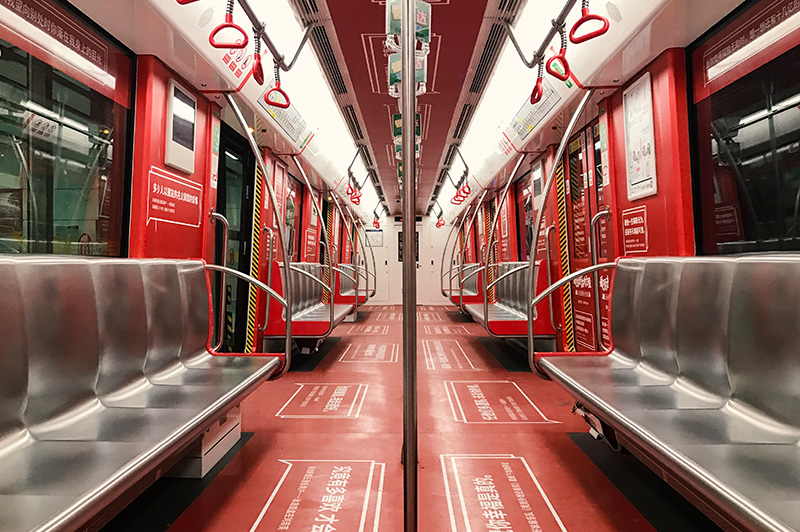
Public transport hubs are prime targets for graffiti. Using specialized coatings on train interiors, bus shelters, and ticket kiosks ensures that maintenance crews can clean surfaces quickly during routine shifts. This reduces the Total Cost of Ownership (TCO) for municipalities by extending the life of the assets.
Park benches, waste bins, and directional signage are exposed to both the elements and vandalism. Anti-graffiti powders provide a double benefit: they offer exceptional UV resistance to prevent fading while allowing for easy removal of "tagging." For example, a sign coated with this technology can be restored to its original state using only a microfiber cloth and a mild citrus-based cleaner.
While the initial cost per kilogram of anti-graffiti powder is higher than standard polyester, the long-term ROI is substantial. Industrial buyers focus on the lifecycle maintenance costs rather than the upfront material price.
Consider a city with 500 bus shelters. Using standard paint might require repainting 20% of them every year due to vandalism damage. With an anti-graffiti finish, the same city could potentially reduce its maintenance budget by 65% over a five-year period.
No, powder coating requires a clean, bare metal substrate. Existing paint must be stripped via sandblasting or chemical means to ensure proper adhesion and performance of the anti-graffiti layer.
Unlike liquid "sacrificial" coatings that must be reapplied after every cleaning, powder-based anti-graffiti finishes are permanent. The properties are baked into the polymer matrix and will last as long as the coating itself.
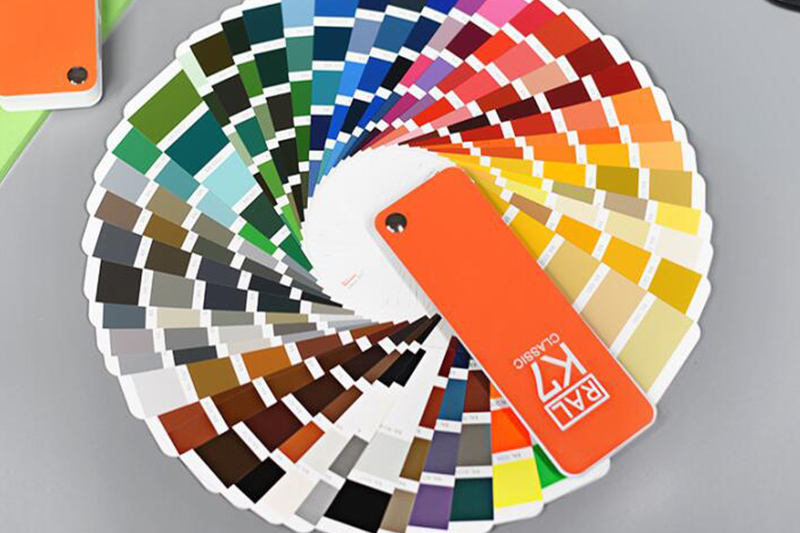
They are available in a full range of RAL colors and various gloss levels. However, high-gloss finishes typically offer the best anti-graffiti performance because they provide the smoothest surface.
Generally, no. Most graffiti can be removed using common solvents like Isopropyl alcohol or specialized biodegradable graffiti removers and a soft cloth.


Copyright © Zhejiang Huacai Advanced Material CO., LTD. All Rights Reserved. Powder Coating Manufacturers

 中文简体
中文简体 English