EN
Powder coating is a dry finishing process in which electrostatically charged powder particles are applied to a metal surface and then cured under heat to form a hard, protective layer. Unlike liquid paint, powder coating requires no solvent and produces a finish that is significantly more durable, uniform, and environmentally friendly. The entire process typically involves four stages: surface preparation, powder application, curing, and quality inspection.
Powder coating has become the preferred finishing method across industries ranging from automotive to architecture. Here's why it consistently delivers superior results:
Surface preparation is the most critical stage—a poorly prepared surface will cause adhesion failure regardless of coating quality. This stage typically involves:
The most widely used method is electrostatic spray deposition (ESD). A spray gun imparts a negative charge (typically –60 to –100 kV) to dry powder particles. The grounded workpiece attracts the charged particles, producing an even coating that wraps around edges and complex geometries.
There are two main powder types used in this stage:
For substrates that cannot be electrically grounded (such as wood or composites), fluidized bed dipping is an alternative—parts are preheated and immersed in a fluidized cloud of powder that adheres by heat.
After application, parts enter a curing oven where heat triggers the melting and cross-linking of thermoset powders. Standard curing parameters:
| Powder Type | Typical Cure Temperature | Typical Cure Time |
| Epoxy | 160–180°C (320–356°F) | 10–20 minutes |
| Polyester (TGIC) | 180–200°C (356–392°F) | 10–15 minutes |
| Polyurethane | 170–190°C (338–374°F) | 15–20 minutes |
| Hybrid (Epoxy/Polyester) | 160–180°C (320–356°F) | 10–15 minutes |
Under-curing results in a soft, under-cross-linked film susceptible to corrosion. Over-curing causes discoloration and brittleness. Infrared (IR) ovens and UV-curing systems are also used for specialized applications or heat-sensitive substrates.
Parts are cooled to room temperature—either by air cooling or forced convection. Quality inspection includes:
Even experienced operators encounter defects. Understanding their root causes enables fast correction:
| Defect | Likely Cause | Prevention |
| Orange peel | Incorrect film thickness or curing temperature | Optimize gun settings; verify oven calibration |
| Pinholes / outgassing | Moisture or contamination in substrate | Ensure thorough drying before application |
| Fish eyes / craters | Oil or silicone contamination | Improve degreasing; filter compressed air |
| Poor adhesion | Inadequate surface prep or pretreatment | Re-evaluate blasting profile and chemical pretreatment |
| Color variation | Inconsistent powder batch or oven hot spots | Use single-batch powder; map oven temperature uniformity |
Standard electrostatic powder coating requires an electrically conductive substrate. The most commonly coated materials include:
Non-conductive materials such as glass or ceramics can also be coated using flame spray or plasma spray techniques, though these are less common.
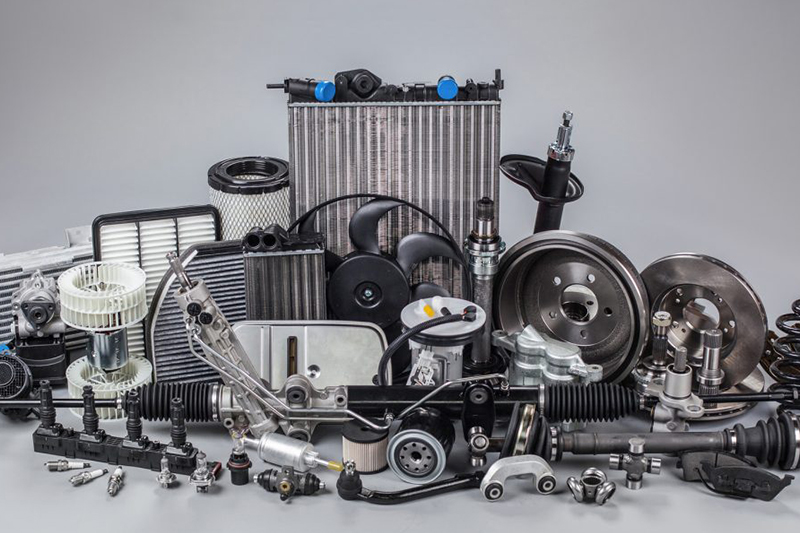
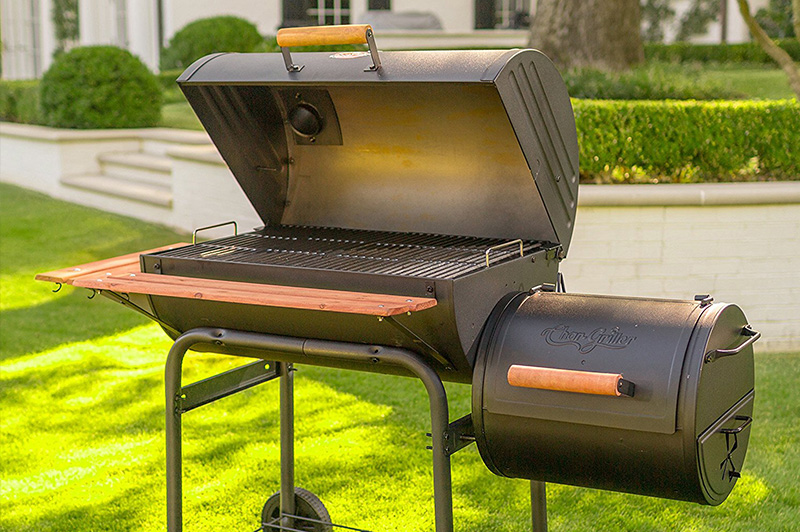
The process is deployed across a wide range of sectors, each with specific performance requirements:
From an operational standpoint, powder coating delivers measurable economic and environmental benefits compared to wet paint systems:
For most industrial and decorative applications, a film thickness of 60–120 microns is standard. Functional coatings (e.g., for electrical insulation or corrosion protection in harsh environments) may be applied at 250–500 microns using multiple passes or fluidized bed methods.
No. Existing coatings and rust must be completely removed before application. Any contamination beneath the powder layer will cause adhesion failure, blistering, or corrosion under the film.
Thermoset powders cure through an irreversible chemical reaction and cannot be re-melted, making them harder and more chemically resistant. Thermoplastic powders melt and re-solidify without chemical change, offering greater flexibility and reworkability but lower heat resistance.
With proper surface preparation and a UV-stable polyester or polyurethane powder, outdoor powder coatings typically maintain appearance and performance for 10–15 years. PVDF-based powders used in architectural applications can last 20+ years under direct sunlight.
Yes. Small-batch and DIY powder coating is feasible using a basic electrostatic spray gun and a toaster oven (for small parts). However, consistent results on large or complex geometries require professional spray booths and calibrated industrial ovens.
Standard powder coatings are rated up to approximately 200°C (392°F) for continuous service. High-temperature silicone-based powders are available for applications up to 650°C (1,200°F), such as exhaust manifolds and industrial ovens.


Copyright © Zhejiang Huacai Advanced Material CO., LTD. All Rights Reserved. Powder Coating Manufacturers

 中文简体
中文简体 English