EN
For outdoor applications, TGIC-based polyester powder coating is widely regarded as the top choice. It offers excellent UV resistance, weatherability, and durability, making it suitable for metal surfaces exposed to sun, rain, humidity, and temperature fluctuations. If you need even higher chemical or abrasion resistance, a polyurethane powder coating is a strong alternative. Both outperform standard epoxy coatings in outdoor environments.
Understanding which type fits your specific project — whether it's outdoor furniture, fencing, architectural panels, or industrial equipment — will help you get the most out of your powder coating investment.
Not all powder coatings perform equally in outdoor conditions. Here is a comparison of the most common types:
| Type | UV Resistance | Weather Resistance | Best For |
| TGIC Polyester | Excellent | Excellent | General outdoor use |
| Polyurethane | Very Good | Very Good | High-wear outdoor parts |
| Epoxy | Poor | Moderate | Indoor or primer use only |
| Epoxy-Polyester Hybrid | Fair | Moderate | Semi-sheltered outdoor areas |
| Fluoropolymer (PVDF) | Outstanding | Outstanding | Architectural/extreme exposure |
Epoxy coatings chalk and fade rapidly under UV exposure, typically showing visible degradation within 6–12 months outdoors. They are best reserved for interior or underground applications.
TGIC (triglycidyl isocyanurate) polyester powder coatings have become the industry standard for outdoor metal finishing. Key reasons include:
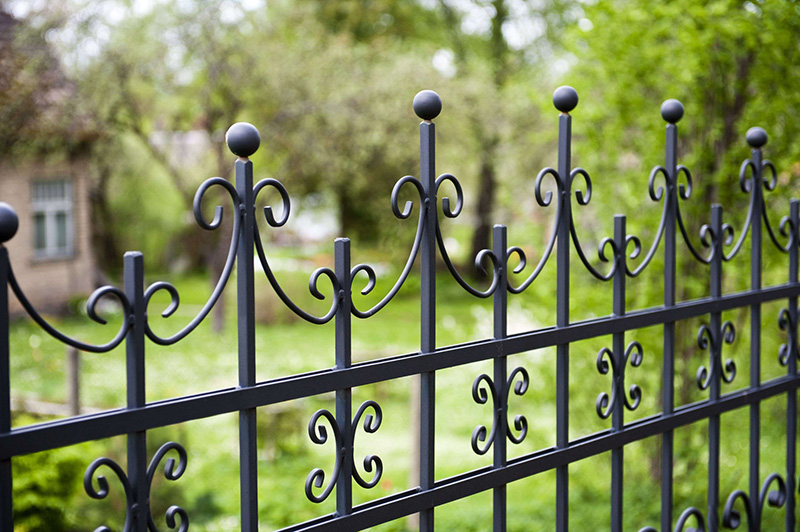
For most standard outdoor projects — garden furniture, gates, railings, and light fixtures — TGIC polyester provides the best balance of performance and cost.
For extreme outdoor environments — such as coastal locations with salt spray, desert climates with intense UV, or high-traffic architectural facades — fluoropolymer-based powder coatings (commonly known as PVDF or Kynar-type) offer the highest level of protection available.
Advantages of fluoropolymer coatings include:
The trade-off is cost — fluoropolymer coatings can be 3 to 5 times more expensive than standard polyester options, so they are typically reserved for high-value or long-term architectural projects.
Even the best powder coating will fail prematurely if the application process or substrate preparation is substandard. The following factors are critical:
Surface preparation accounts for up to 80% of coating failure cases. Metal must be thoroughly cleaned, degreased, and pre-treated — typically with iron phosphate or zinc phosphate conversion coating — before powder is applied. Any rust, oil, or mill scale left on the surface will cause adhesion failure and early corrosion.
For outdoor use, a film thickness of 60–80 microns (2.4–3.1 mils) is generally recommended. Too thin and the coating won't protect adequately; too thick and it may crack during thermal expansion.
Most outdoor-grade polyester powders cure at 180–200°C (356–392°F) for 15–20 minutes. Under-curing results in a coating that is too soft and prone to chipping, while over-curing can cause discoloration and brittleness.
In demanding environments, applying a zinc-rich epoxy primer beneath the topcoat significantly boosts corrosion resistance. This two-coat system is commonly used for outdoor structural steel, agricultural equipment, and marine applications.
Matching the coating type to your specific use case ensures optimal results:
| Application | Recommended Type | Expected Lifespan |
| Outdoor furniture | TGIC Polyester | 7–10 years |
| Fencing & railings | TGIC Polyester or Polyurethane | 8–12 years |
| Architectural facades | Fluoropolymer (PVDF) | 20–30+ years |
| Agricultural/industrial equipment | Epoxy Primer + TGIC Polyester | 10–15 years |
| Coastal/marine environments | Fluoropolymer or Zinc-primed Polyester | 15–25 years |
| Playground equipment | Polyurethane | 10–15 years |
Proper maintenance extends the life of any outdoor powder coating significantly. Follow these practical guidelines:
Yes. Powder coating is generally more durable, chip-resistant, and UV-stable than liquid paint, and it does not require solvents, making it more environmentally friendly.
Properly applied powder coating significantly resists rust. However, if the surface is chipped or the substrate wasn't adequately prepared, rust can develop at exposed areas.
Depending on the type and conditions, outdoor powder coating typically lasts 7 to 20+ years. TGIC polyester averages 7–10 years; fluoropolymer coatings can exceed 20 years.
No. All rust must be removed before application. Powder coating over rust will result in poor adhesion and premature failure.
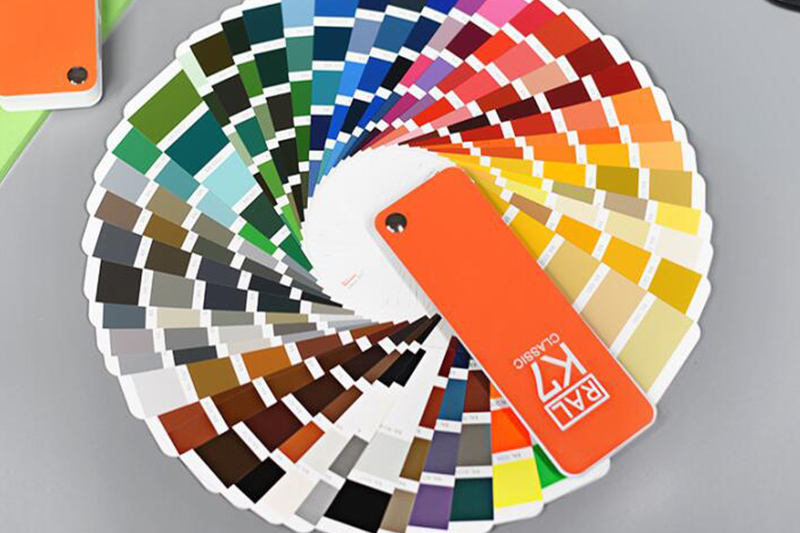
Thousands of colors and finishes are available, including gloss, matte, satin, metallic, and textured options. Lighter colors generally retain appearance longer outdoors due to lower heat absorption.
Epoxy powder coating is not recommended for direct outdoor exposure. It chalks and fades quickly under UV light and is best used indoors or as an undercoat primer beneath a polyester topcoat.


Copyright © Zhejiang Huacai Advanced Material CO., LTD. All Rights Reserved. Powder Coating Manufacturers

 中文简体
中文简体 English