EN
Picture a batch of steel brackets that just came out of a storage shed after a rainy season. Orange-brown bloom covers every edge, and the surface feels rough under a gloved hand. Cutting corners by painting over that rust is not an option if you want a finish that lasts more than one season.
Abrasive blasting is the fastest way to strip heavy oxidation and prepare metal for a coating that will actually stay on. The process does two jobs at once: it removes rust and mill scale, and it etches the metal surface into a rough, measurable profile. That profile is exactly what a powder coating needs to mechanically bond to the steel. For any powder coating line, blasting is not an optional extra. It is the foundation of a durable finish.
Powder coating adheres to metal in two ways: chemical bonds and mechanical interlock. The mechanical part comes from the anchor profile that blasting creates. If rust sits between the metal and the coating, that outer layer will eventually flake off. Blasting removes rust and mill scale in one operation and leaves a clean, roughened surface ready for the powder.
Many shops ask whether sandblasting is required before powder coating. For steel, the answer is yes if you want warranty-level performance. Chemical and manual methods have their place, but none offer the combination of speed and measurable surface profile that blasting delivers. The table below compares the most common rust removal techniques.
| Method | Removes Heavy Rust | Creates Anchor Profile | Speed | Substrate Risk |
|---|---|---|---|---|
| Abrasive blasting | Yes | Yes | Fast | Low with proper setup |
| Angle grinding | Yes | No | Medium | High if excessive |
| Chemical pickling | Light rust only | No | Medium | Needs neutralization |
| Wire brushing | Very light only | No | Slow | Very low |
Blasting wins on all three critical points: complete rust removal, anchor profile creation, and throughput. When you are planning a coating line, the blasting step is the one that determines whether the coating will deliver its full service life.
Dry blasting is the workhorse of the industry. Compressed air pushes abrasive media through a nozzle at the steel surface, breaking away rust and scale. It is fast, versatile, and offers the widest range of media options. Many facilities use dry blasting because it is easy to control and leaves a clean, ready-to-coat surface.
Wet blasting mixes water with the abrasive. The water suppresses dust and helps prevent flash rust in some conditions. It is a practical option when dust control matters, such as in a facility with sensitive equipment or in an urban environment. The water also acts as a coolant, which reduces heat buildup on thin parts.
Soda blasting uses sodium bicarbonate particles. It is gentle enough for thin metal, but it is slower on heavy rust and does not leave as sharp a profile. Shot blasting uses steel shot or grit in a centrifugal wheel or with compressed air. It is standard for pipes, structural steel, and foundry work where high throughput is required.
The choice depends on the condition of the part, the required surface profile, and the production environment. For powder coating preparation, dry blasting with steel grit is the most common recommendation.
The abrasive media you choose controls both blasting speed and surface profile. Coarser media removes rust faster but leaves deeper grooves. Finer media creates a smoother profile that may not offer enough grip for thick powder coating systems. The table below lists the common abrasives and their typical application ranges.
| Media | Profile Range | Best Application | Media Durability |
|---|---|---|---|
| Steel grit/shot | 50-100 microns | Heavy rust, structural steel | High |
| Aluminum oxide | 60-120 microns | Hard rust, tough scale | High |
| Garnet | 25-75 microns | Precise profile control | Medium |
| Glass beads | 15-40 microns | Thin sections, light rust | Low |
For powder coating, a target profile of 30-50 microns is typical. Steel shot or a fine garnet can deliver that range consistently. If you go much deeper than 75 microns, you risk over-blasting and coating bridging. If you stay below 25 microns, the coating may not anchor well on horizontal surfaces.
Another factor is media contamination. Reusing media that contains broken particles or oily residue can leave a film on the steel, which reduces coating adhesion. Regular media screening and replacement protect the quality of the surface profile.
Blasting is a process with many controllable variables. Nozzle pressure, nozzle size, distance, angle, and media size all interact to produce the final surface. A few practical rules make a big difference:
Consistency is the hidden cost of blasting. When an operator changes nozzle distance by a few inches, the surface profile changes, and so does powder coating performance.
Operator skill matters more than most managers expect. A trained blaster can hit a consistent surface profile within a narrow tolerance. An untrained operator can produce an inconsistent profile that leads to coating defects later. Investing in operator training and adding profile gauges to your quality checks will save money by reducing rework.
A surface profile of 30-50 microns is the sweet spot for most powder coating systems. Epoxy-based products tolerate a slightly deeper profile, while decorative polyester coats prefer a shallower one. The principle is to match the coating to the profile.
30-50 microns is the typical anchor profile range for powder coating on steel.
Too little profile means the coating sits on the top and can fail from a sharp impact. Too much profile leaves peaks uncovered, and corrosion starts at those peaks. A measured blasting operation gives you a consistent profile, which is what a powder coating line needs for repeatable quality.
In field conditions, profile measurement is done with a dial gauge or a stylus instrument. A quick check before coating tells you whether the surface is in the right range. This simple step prevents most adhesion-related failures.
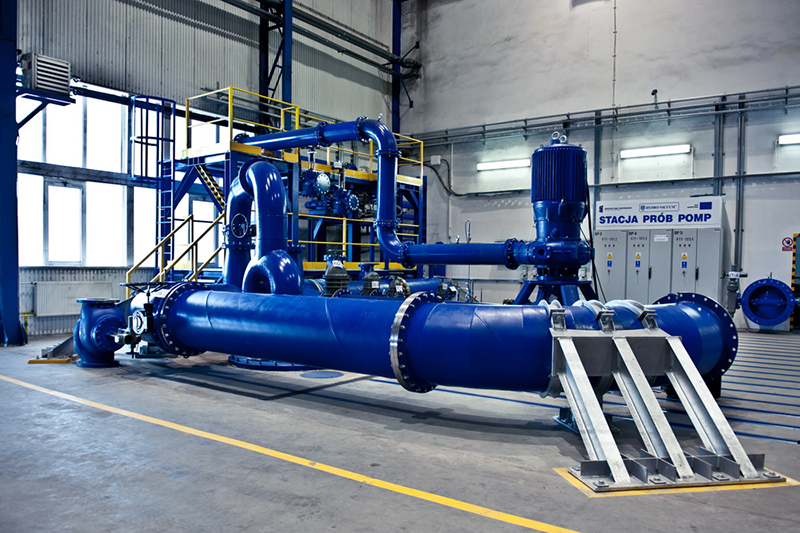
For pipelines and valves that require serious corrosion protection, an epoxy pipeline powder coating applied over a properly blasted surface creates the thick, dense barrier that these components need. The blasting profile is the mechanical foundation for that barrier.
Explore epoxy pipeline powder coating options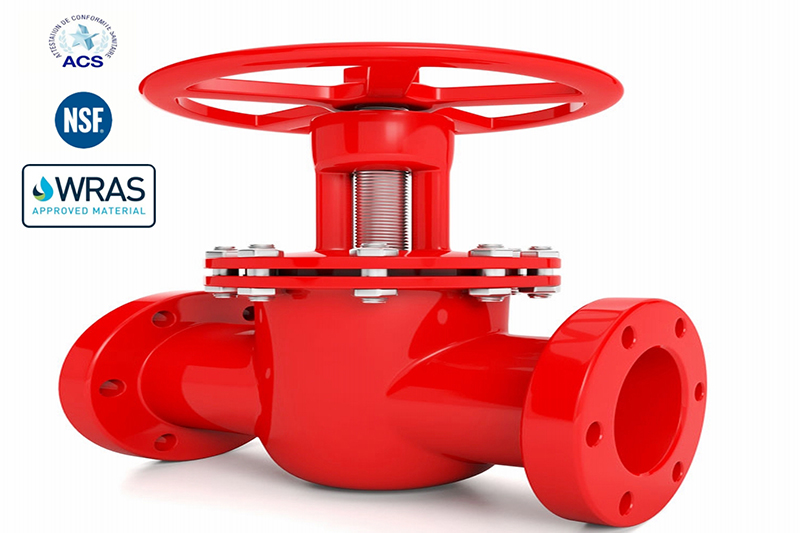 Epoxy Pipeline Powder Coating for Valves and PipesThis epoxy pipeline powder coating creates a thick, dense barrier on blasted surfaces, providing corrosion protection and mechanical properties essential for valves and pipelines.View Product →
The surface is at its most reactive immediately after blasting. Dust and moisture must be removed before powder is sprayed. Use compressed air or a vacuum to pull dust out of the profile pockets. Any loose particles left behind will sit between the coating and the steel, creating potential adhesion weak points.
Time matters. The window between blasting and coating is typically no more than 4 hours in dry conditions, and much shorter in high humidity. If the part sits too long, flash rust will spoil the prepared surface. Blast, then coat, then cure as one continuous sequence.
In corrosive environments, apply a zinc-rich powder coating directly after blasting to get sacrificial galvanic protection. Zinc-rich primers work with the anchor profile created by blasting to deliver containment of rust creep. This combination is common in marine, bridge, and industrial infrastructure projects where the coating is the only line of defense.
See zinc-rich powder coating specifications Zinc-Rich Powder Coating for Corrosive EnvironmentsApplied after blasting, this zinc-rich powder coating offers sacrificial galvanic protection, preventing rust creep in marine, bridge, and industrial infrastructure projects.View Product →
Rust removal blasting is the most consistent way to prepare steel for powder coating. It removes rust, mill scale, and old coatings, and it creates the surface profile that a durable finish depends on.
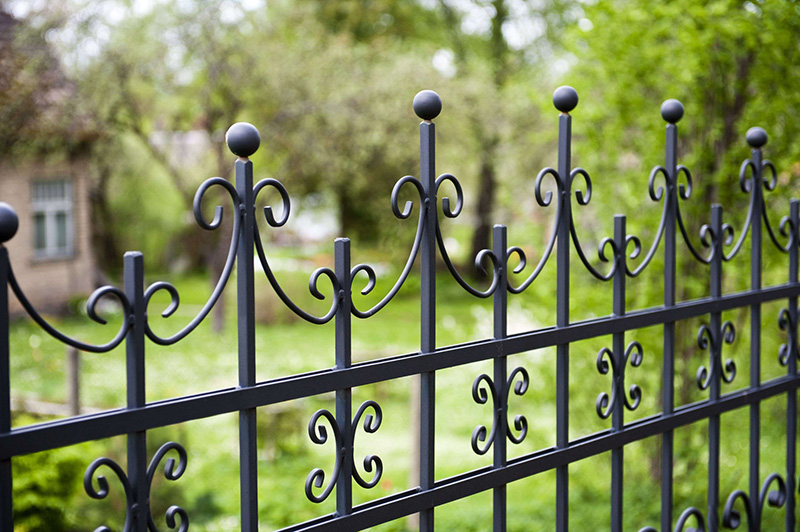
The full sequence is simple: blast to a clean profile, remove dust, coat within the same day, and choose the coating that matches the environment. For outdoor structures such as guardrails, a guardrail powder coating with excellent UV and abrasion resistance works hand in hand with a properly blasted substrate. For industrial pipes and valves, a thick epoxy coating provides the corrosion barrier that these parts need.
Skip the blasting, and you are betting on adhesion. Blast it right, and you get the durability that powder coating is known for. The blasting step is not expensive compared to the cost of rework. In the long run, proper surface preparation saves material, labor, and warranty claims.
Explore guardrail powder coating solutions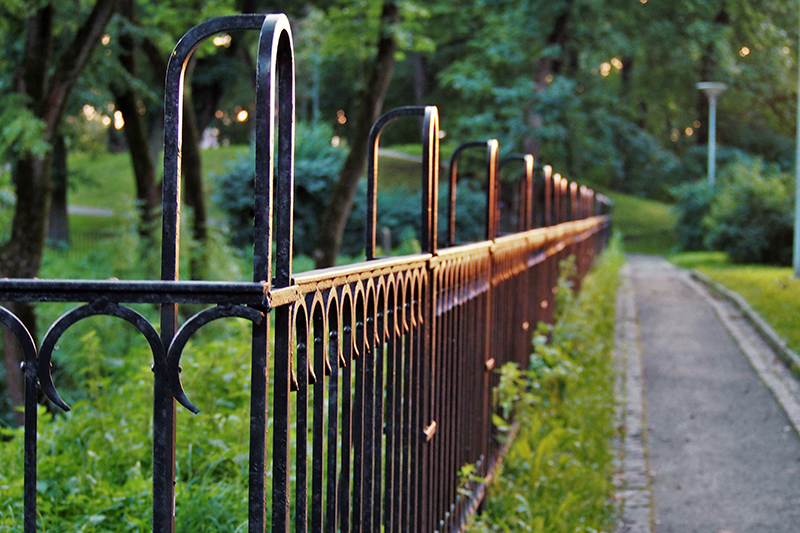 Weather-Resistant Guardrail Powder CoatingThis polyester powder coating delivers excellent mechanical properties and weather resistance for outdoor applications like guardrails, communication base stations, and stadium facilities.View Product →
No. Blasting is not optional for durable powder coating. Rust creates a weak boundary layer that will lift the coating from the metal. Only a clean, profiled surface will give the mechanical interlock needed for long-term performance.
Dry abrasive blasting with steel shot or grit is the most common approach for steel. It cuts fast, leaves a consistent anchor profile, and works well in most production environments.
Within 2 to 4 hours in normal conditions. In humid environments, the window can shrink to under an hour. Blast, then coat, then cure as one continuous sequence.


Copyright © Zhejiang Huacai Advanced Material CO., LTD. All Rights Reserved. Powder Coating Manufacturers

 中文简体
中文简体 English