EN
Imagine this: you have just spent 20 minutes sandblasting a rack of steel brackets, wiping them free of dust, and loading them into the curing oven. When the parts come out, you see orange-peel blisters running along every sharp edge. The powder coating did not fail. The surface preparation did.
Nearly every visible powder coating defect can be traced back to one root cause: inadequate metal preparation. If oils, rust, mill scale, or moisture remain on the substrate, no powder resin — no matter how advanced the chemistry — can deliver the finish your customer expects. Here is the practical conclusion before the details: metal prep for powder coating is a five-step discipline, and skipping any one step compromises everything downstream.
Powder coating bonds to metal through a combination of mechanical interlock and chemical adhesion. It does not bond to dirt, grease, loose oxide, or old paint. When those contaminants sit between the substrate and the film, the coating picks them up and fails from the inside out. This is not a theoretical concern — it is a measurable one.
Industry-standard salt spray testing, run according to ASTM B117, makes the stakes clear. A steel panel that has been properly cleaned, profiled, and conversion coated can survive more than 1,000 hours. The same panel, prepared with only a solvent wipe, may fail within 72 hours. That difference is not caused by the powder. It is caused entirely by the surface underneath.
When you get prep wrong, the consequences show up in specific ways:
The surface is not just a canvas for the coating. It is the first and most important ingredient.
A reliable preparation sequence for powder coating looks like this:
Begin with a purpose-built degreaser, not water. For most production shops, an alkaline solution at 50–60°C worked through spray or ultrasonic agitation removes stamping oils, cutting fluids, and hand oils effectively. If you prefer a solvent wipe, choose acetone or a dedicated solvent degreaser. Denatured alcohol is acceptable for wiping parts between coats, but it is too weak for primary cleaning — it tends to smear oil across the surface instead of dissolving it.
Sandblasting remains the gold standard for steel. Use a 60–80 grit abrasive to produce a 1.5–2.5 mil anchor profile, roughly 38–63 µm of surface roughness. This texture gives the molten powder a physical grip, and it matters most when the film must absorb impact or thermal cycling.
For softer metals such as aluminum, step down to a 120-grit media or a non-metallic abrasive like garnet. Metallic grit can become embedded in aluminum and cause cosmetic and corrosion problems later. On smaller work, a palm sander with 80-grit discs is a practical alternative for flat surfaces.
Before blasting, always knock off weld spatter and sharp edges. Powder cannot follow a zero-radius transition. The film pulls away at sharp corners, which is why edge pullback is so common on fabricated sheet metal parts.
A conversion coating is a thin chemical layer that converts the reactive metal surface into a more stable, high-surface-energy film. For steel, iron phosphate is the workhorse — it deposits a light blue-grey layer at 1–2 g/m² and greatly improves wet adhesion. Zinc phosphate offers even better corrosion resistance for outdoor or heavy-duty applications and is often paired with a final seal rinse. For aluminum, use a chromate-free conversion coating to prevent oxidation and give the powder a chemically receptive base.
Do not skip the rinse. Residual chemistry left on the part will degrade the cured film and create blotchy color. Use clean deionized water for the final rinse, then place the parts in a forced-air oven at 70–80°C for 10–15 minutes. This step is your insurance policy against outgassing — the pinholes and bubbles that appear when trapped moisture expands during powder cure.
Each metal behaves differently during prep, and the coating that follows depends heavily on the substrate.
Carbon steel demands complete rust removal. Hot-rolled steel carries a tightly bonded mill scale that must be blasted off before any conversion coating will work. If your parts serve in a consistently wet environment, a zinc-rich primer in powder form adds an extra sacrificial layer of protection. This approach is especially valuable when prep quality varies between batches.
Aluminum is forgiving when it comes to rust, but demanding when it comes to cleanliness. Its naturally forming oxide layer interferes with adhesion if left untreated. After degreasing, use an acidic desmutting step to remove intermetallic compounds, then apply a chromate-free conversion coating within one hour to keep the surface active. Aluminum is also prone to outgassing, so a pre-heat or degassing step in the oven before powder application is a smart addition. For full detail on the chemistry, read this article on aluminum profile pretreatment.
Galvanized surfaces are coated with zinc, which can react with aggressive alkaline cleaners and result in white rust. Use a mild acidic cleaning agent instead. Do not over-blast galvanized steel — heavy blasting removes the zinc layer entirely and takes away its corrosion protection. A light cleaning with a zinc-specific conversion coating is the safer route.
Most preparation problems are not about expensive equipment. They are about small errors that multiply when the part enters the oven.
The prep process determines the foundation, but the powder system determines the performance. Buyers often focus on powder chemistry first. In practice, the decision should actually be a combination of substrate, environment, and your prep capabilities.
For indoor metal furniture, cabinets, and equipment in a dry, controlled environment, a polyester-epoxy hybrid powder coating system delivers a smooth, attractive finish with good balance between toughness and flow.
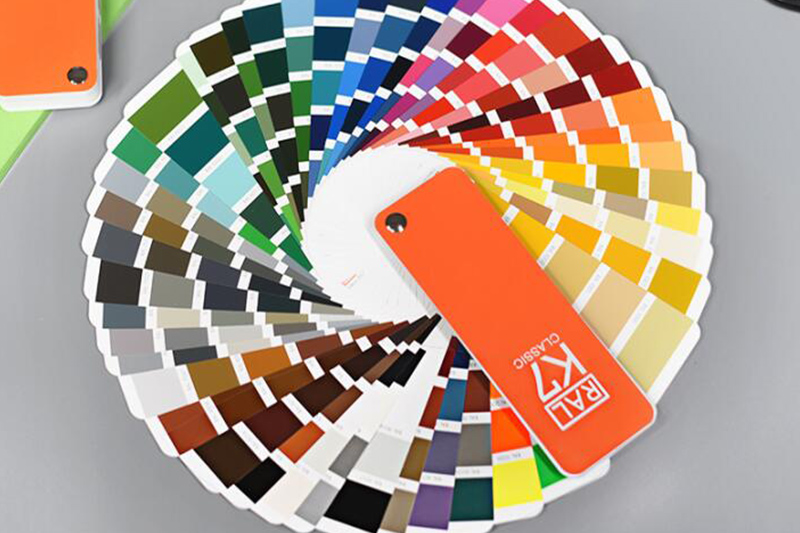 Indoor Epoxy Powder Coating for Furniture and CabinetsThis indoor powder coating offers a smooth, decorative finish with good mechanical properties, ideal for metal furniture, cabinets, shelves, and indoor equipment in controlled environments.View Product →
When the environment is damp, chemically aggressive, or where parts are exposed to humidity, epoxy powder coating series provide superior corrosion and chemical resistance. This is a natural fit for valves, pipelines, and industrial equipment that live in demanding service conditions.
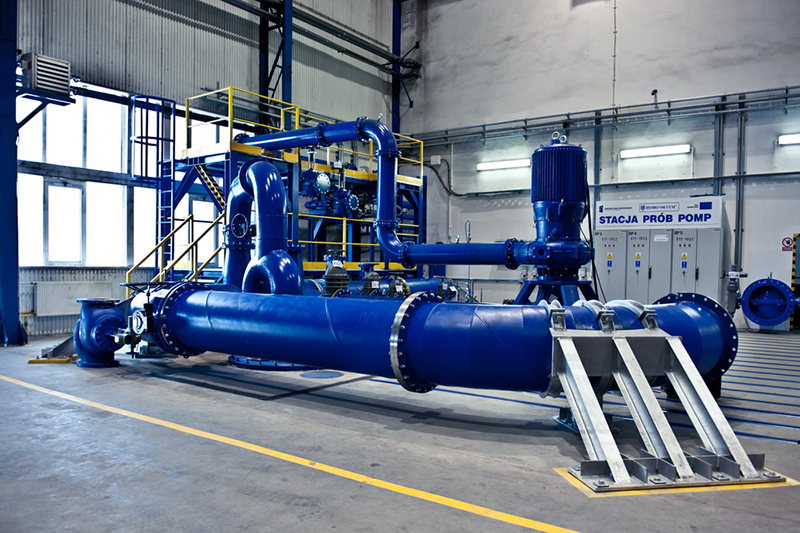 Durable Epoxy Powder Coating for Corrosive EnvironmentsDesigned for damp or chemically aggressive conditions, this epoxy powder coating provides excellent corrosion resistance and mechanical strength, suitable for valves, pipelines, and industrial machinery.View Product →
If your parts face salt-heavy or high-moisture service, zinc-rich powder coatings add an active sacrificial layer that protects steel even where prep quality has been variable. They are a practical choice for structural steel and heavy machinery.
 Zinc-Rich Powder Coating for Steel ProtectionActive sacrificial protection for steel in salt-heavy or high-moisture service, this zinc-rich coating is practical for structural steel and heavy machinery, offering superior weather resistance.View Product →
| Substrate | Application | Prep Required | Recommended Series |
|---|---|---|---|
| Cold-rolled steel | Indoor furniture | Degrease plus iron phosphate | Hybrid epoxy-polyester |
| Hot-rolled steel | Structural parts | Blast plus zinc phosphate | Epoxy or zinc-rich |
| Aluminum profiles | Outdoor architecture | Degrease, desmut, conversion | Polyester |
| Galvanized steel | Outdoor structures | Mild clean, zinc conversion | Polyester |
For steel covered in rust or mill scale, yes — sandblasting is the most reliable method. For clean, smooth aluminum or stainless steel, a light abrasive prep or chemical etching can be enough. The key requirement is a uniform anchor profile so the powder can grip the surface.
No. Powder coatings bond best to a bare, clean substrate. Old paint must be removed by chemical strippers, thermal stripping, or media blasting before proceeding.
In a powder coating line, the "primer" is the conversion coating. Iron phosphate on steel and a chromate-free conversion coating on aluminum are the industry standards. A liquid primer is not required.
Pinholes are almost always caused by outgassing — moisture or volatile compounds trapped under the film escaping through the coating during cure. The fix is complete drying and, for aluminum, a proper degassing step before coating.
Peeling is usually an adhesion problem caused by surface contamination. Oils, rust, dust, or an over-smooth substrate prevent the mechanical bond that gives powder coating its durability.
Metal prep for powder coating is not a step to rush. It is an investment that returns tenfold in finish quality, coating longevity, and customer satisfaction. Follow the five essentials — clean, profile, convert, rinse, dry — and your parts will come out of the oven looking the way they should, from the first piece to the thousandth.
When you are selecting a powder system that matches your prep process, work with a supplier who understands both sides of the equation. The right product, paired with disciplined surface preparation, delivers the finish your customers are paying for. If you want to review your prep line, talk to an experienced powder coating manufacturer and walk through your substrate and environment together.


Copyright © Zhejiang Huacai Advanced Material CO., LTD. All Rights Reserved. Powder Coating Manufacturers

 中文简体
 English