EN
Your line has just pulled a rack of three-metre aluminum window profiles, and the cured finish is covered with pinholes and orange peel. The profiles are worth more than the coating, so rework is inevitable. Someone asks whether laser powder coat removal can replace blasting or chemical stripping. The direct answer is yes: laser ablation removes cured thermoset powder coating without chemicals, water, or abrasive media. But it is a precision tool, not a universal one. It performs best on sensitive substrates and selective repair work, and it struggles where speed and cost per square meter matter more. Before you invest in a laser system or send parts to a laser stripping shop, you need to understand how the process interacts with your coating and your metal.
Laser removal relies on pulsed laser ablation. A focused beam delivers energy in short pulses, the coating absorbs that energy and heats rapidly, and the resin vaporizes or decomposes into fine ash. The metal substrate, particularly aluminum, reflects a large share of the beam and conducts heat away, which is why the metal usually survives without melting when the parameters are set correctly.
Three variables matter most: energy density (fluence), pulse duration, and scan speed. The goal is to make the coating reach its decomposition temperature before the heat can spread into the substrate. Powder coatings are cured thermosets, so they do not simply melt; the resin network breaks down into gases and carbonized residue.
Two coating characteristics affect how easily the laser couples with the film. Dark and carbon-pigmented powders absorb strongly and strip quickly. White, silver metallic, and other reflective colors bounce more laser light away, so they need higher power density or slower scanning. Film thickness also matters. Typical powder films of 60 to 120 micrometers strip in multiple passes, and the final few micrometers require care to avoid etching the metal. The residue left behind is a dry ash that can be brushed or vacuumed, which keeps the process clean compared with caustic baths or blasting dust.
Choosing a removal method is a trade-off among throughput, substrate safety, environmental controls, and total cost. The table below compares laser ablation with the three methods most commonly used in industrial powder coating rework.
| Method | Throughput | Substrate risk | Main cost drivers | Best suited for |
|---|---|---|---|---|
| Laser ablation | Low to medium | Low on aluminum and thin metal when tuned; melting risk if misused | Equipment capital, operator time, fume extraction | Precision parts, selective stripping, heat-sensitive substrates |
| Chemical strippers | Medium | Etching, damage to anodized layers, hydrogen embrittlement on hardened steels | Chemical baths, waste disposal, masking, PPE | Complex geometry at moderate volume where waste is manageable |
| Thermal burn-off | High | Distortion and metallurgical change on aluminum; annealing on steel | Ovens, fire risk, scale and ash removal | Steel racks, hooks, high-volume steel parts |
| Abrasive blasting | High | Material loss, warpage on thin sheet, embedded media | Media, dust collection, surface profiling | Thick steel parts where a rough profile is acceptable |
Every method leaves a different surface state. Abrasive blasting creates roughness that helps the next powder coat adhere but removes base metal. Chemical stripping is gentler on the metal but generates hazardous waste and can attack anodized layers. Laser stripping sits in between: it removes the organic film with little base-metal loss, but it leaves a smooth surface that may need additional profiling before recoating. For a step-by-step treatment of the main alternatives, read our detailed guide to powder coating removal methods.
Use laser powder coat removal when the cost of damaging the part is higher than the cost of slow, careful stripping. The clearest cases are:
Where laser is a poor fit: high-volume stripping of hooks, racks, and heavy steel brackets. Burn-off and blasting remove those coatings at a fraction of the cost. Thick multi-layer build-ups on steel are also faster to blast than to ablate layer by layer.
The economics follow a simple rule. Laser systems carry high capital cost and low consumable cost. If your part value is high and your rework volume is low, the math works. If you strip thousands of cheap hooks every week, it does not.
Epoxy and epoxy-polyester hybrids form tough, chemically resistant films. They require higher fluence and more passes than standard polyester. High-temperature-resistant and bonding metallic powders behave differently because of their fillers and metallic pigments; metal flakes disrupt beam absorption and can produce uneven removal.
Aluminum is the difficult substrate. It reflects infrared and conducts heat quickly, so a high-power hand-held laser can brighten or melt the surface before the coating is gone. Use lower power, shorter pulses, and test on scrap pieces first. Castings and anodized parts are even more sensitive. Steel is generally forgiving. Magnesium and zinc-coated steels need extra care because of flammability and fume risks.
Laser ablation of thermoset resin generates ultra-fine particles and decomposition gases. A closed enclosure or a well-positioned extraction hood is not optional; it protects operators and prevents re-deposition of ash onto the stripped surface. Class 4 laser safety, a fire watch, and proper PPE should be part of the written procedure.
The stripped surface decides whether your rework holds up. Laser ablation leaves a smooth, ash-covered surface. Powder adhesion depends on mechanical anchoring and chemical bonding, so do not spray the second coat directly onto stripped metal without verification. Remove the ash with a brush or vacuum, degrease, restore a light mechanical profile with fine blasting media, and apply the same pretreatment you would use on virgin metal.
If the reworked part is an architectural aluminum profile, the replacement coating must withstand UV, humidity, and thermal cycling. A polyester system designed for aluminum substrates is the usual specification for this class of work.
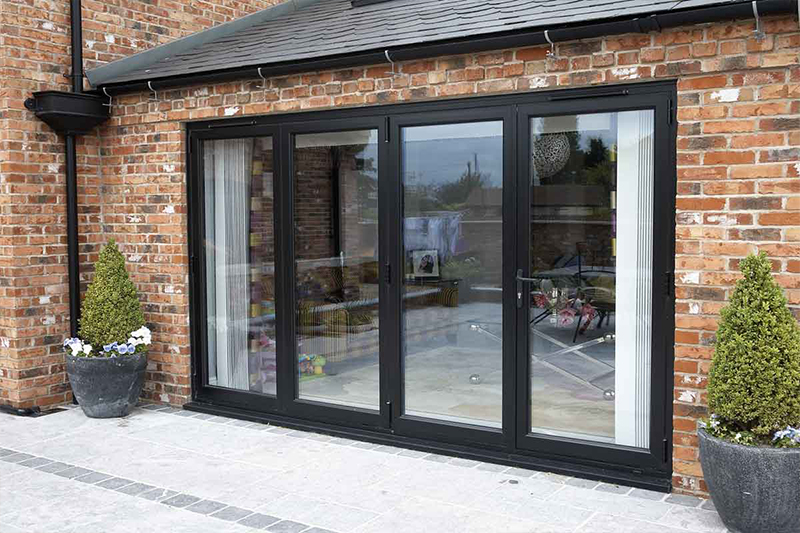 Durable Polyester Powder Coating for Architectural Aluminum ProfilesThis powder coating is formulated for aluminum substrates, offering resistance to UV, humidity, and thermal cycling. It suits reworked architectural profiles needing long-term outdoor performance and minimal rework.View Product →
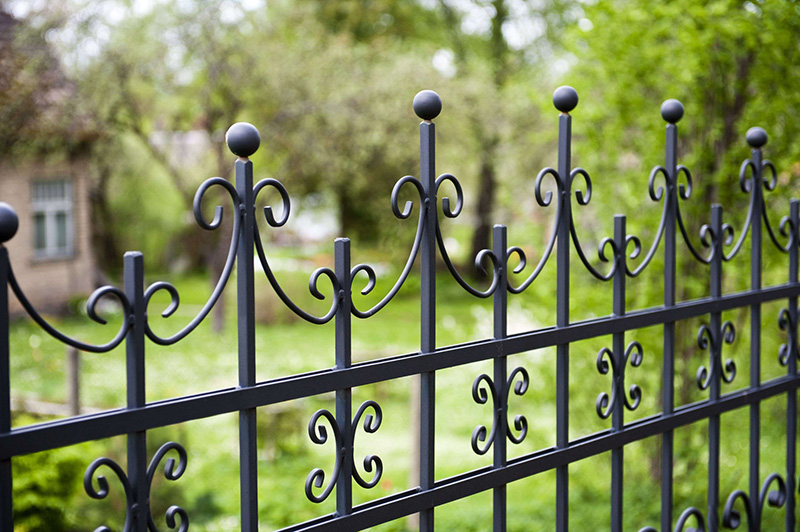
For outdoor equipment such as agricultural machinery, guardrails, and lighting housings, a super-durable polyester with high gloss retention reduces the chance that the repaired part will fail prematurely, keeping it out of the rework queue altogether.
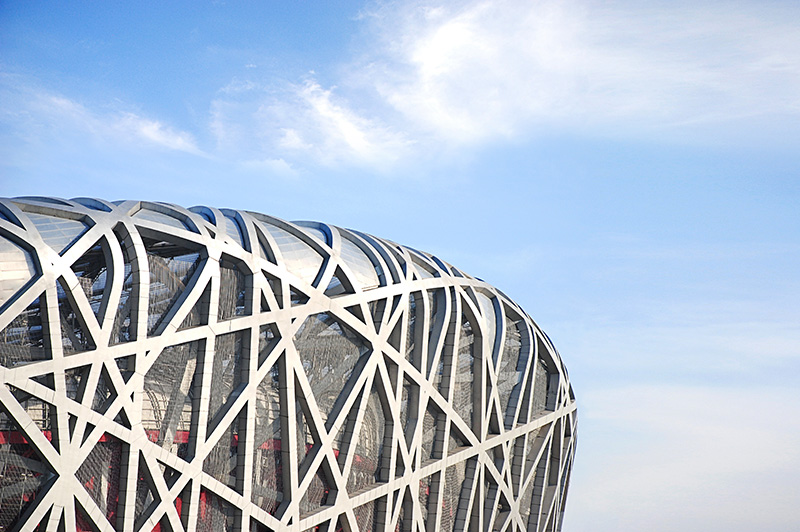 Super Durable Polyester Powder Coating for Outdoor EquipmentDesigned for agricultural machinery, guardrails, and lighting housings, this coating provides excellent weather resistance and gloss retention, reducing premature failures and the need for rework.View Product →
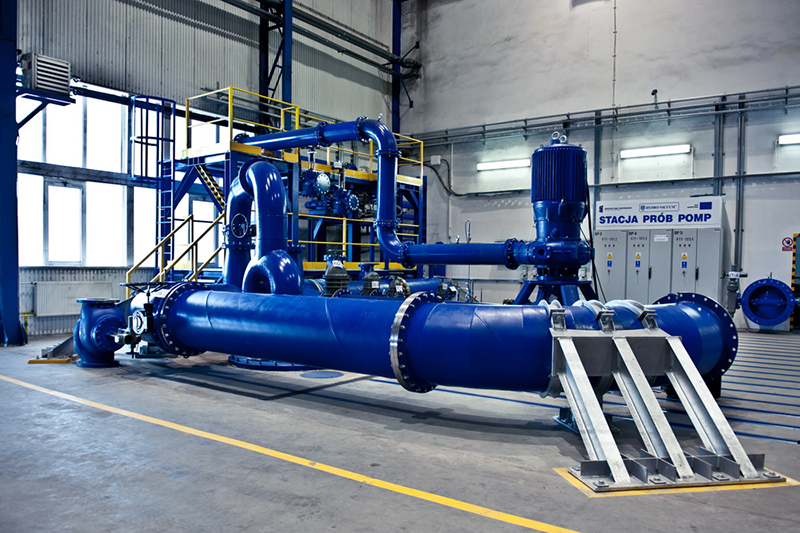
For process piping, valves, and components exposed to aggressive media, an epoxy system delivers the barrier protection required after stripping and re-pretreatment. Corrosion resistance, not just appearance, becomes the deciding factor.
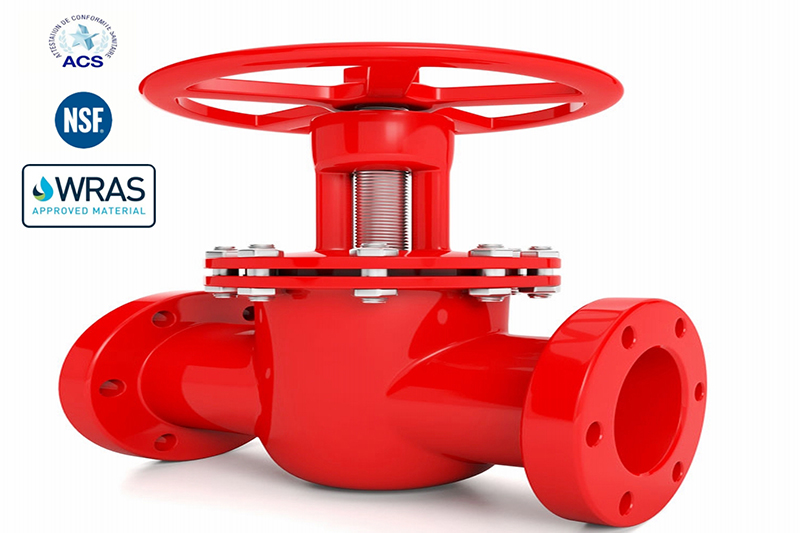 Epoxy-Based Powder Coating for Valves and Pipeline ComponentsThis coating combines epoxy and polyester resins to deliver strong corrosion resistance and barrier protection. Ideal for process piping and valves exposed to aggressive media after stripping and re-pretreatment.View Product →
Yes, when the laser is tuned correctly. Aluminum reflects much of the infrared beam, so the operator must reduce power and rely on short pulses. Test on scrap first; if the metal starts to brighten or melt, the energy is too high.
Laser is generally slower per square meter than a well-maintained chemical bath, but it has no bath maintenance, no disposal cost, and no masking for selective work. For small areas or high-value parts, total time from setup to a clean part is often shorter.
Most thermoset powder coatings can be ablated, but dark colors strip faster than reflective ones, and metallic or bonding powders may require different parameters. Thick film builds may need multiple passes.
For recoating, usually yes, but only a light profile is needed. Laser alone leaves a smooth surface with weak mechanical adhesion for the next powder layer. A fine-media sweep or a chemical pretreatment is recommended.
If parts are stripped because of coating defects, a better starting point is a powder that applies, cures, and performs reliably the first time. That is where formulation experience shows up, in consistent particle size, stable cure behavior, and adhesion packages that survive real process variation. We manufacture powder coatings from our Zhejiang and Guangdong facilities, and our manufacturing background reflects that focus. When rework is unavoidable, a supplier who understands stripping behavior can help you choose a coating system that strips cleanly when needed and performs when it stays on the part.


Copyright © Zhejiang Huacai Advanced Material CO., LTD. All Rights Reserved. Powder Coating Manufacturers

 中文简体
中文简体 English