EN
A 12 mm steel bracket takes roughly 22 minutes to reach its recommended curing temperature in a gas convection oven. Move the same bracket through a focused infrared heater, and a powder coating can reach full cure in under six minutes. That cycle-time gap is why infrared curing has moved from a niche technology to a standard option in powder coating shops.
Infrared is simple in concept and easy to misapply. The heater type, the part geometry, the line speed and the powder formulation all have to work as one system. This article explains how infrared cures powder coating, which heater type fits which part, and why the powder selection often decides whether an infrared line is profitable or just fast.
Convection ovens raise the air temperature, and the hot air transfers heat through the boundary layer into the powder film and the metal underneath. Infrared works the other way around. The infrared heater emits electromagnetic radiation; the powder film absorbs part of it, and the metal substrate absorbs the rest, converting radiation into heat almost immediately at the surface.
Because the metal gets hot first, the bottom layers of the film melt and crosslink before the surface seals over. This inside-out heating pushes trapped air and moisture out of the film before the top layer flows closed, which is why a well-set infrared line can produce a smoother film than a slow convection oven — provided the powder can keep up with the heating rate.
Two practical consequences follow. First, the actual curing temperature is the film temperature, not the air temperature, so you control the process by measuring part or film temperature directly. Second, you are only heating the part and a thin layer of air, not a large oven volume. On thick or dense metal goods, the energy saving is significant.
Infrared heating is classified by wavelength, and each wavelength range behaves differently on a powder line. The heater must be selected for the dominant substrate, the part geometry and the required line speed.
| Heater type | Wavelength range | Response time | Best suited for |
|---|---|---|---|
| Short-wave (quartz tungsten) | 0.9–1.6 µm | 1–2 seconds | Thick steel sections, fast ramp-up |
| Medium-wave (quartz or metal rod) | 1.6–4 µm | 30–90 seconds | General powder curing, mixed parts |
| Long-wave / CIR (ceramic) | Above 4 µm | 3–5 minutes | Complex shapes, thin sheets, gentle heating |
Short-wave heaters deliver very high power density and heat the substrate quickly; they are the best choice when a thick casting or welded frame has to reach 190 °C in minutes. The trade-off is that a dark-colored powder absorbs more short-wave radiation than a white one, so color changes alter the heat balance.
Medium-wave emitters are the most common in powder coating ovens. Their radiation penetrates the polymer film well and matches the absorption behavior of most polyester and hybrid powders, giving predictable results across a wide range of colors and substrate thicknesses. If you only install one zone, medium-wave is the safer default.
Long-wave ceramic heaters produce a softer, more uniform heat. They are useful on thin sheet metal, parts with thin edges, or complex geometry where short-wave radiation would overheat edges and light surfaces. The slower response means the heater zone needs a longer warm-up and the line is less flexible for frequent color changes.
The benefits show up most clearly on parts with high mass and simple geometry:
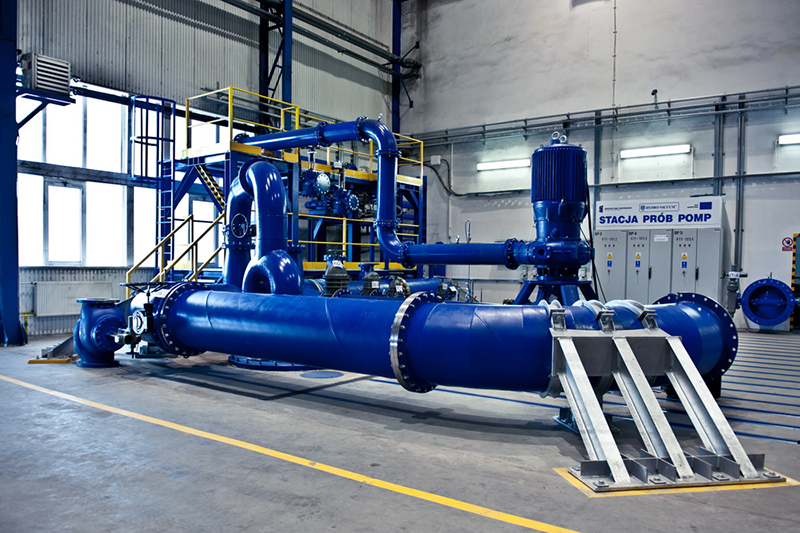
Heavy structural parts are where the payback is easiest to calculate. A frame for an agricultural implement, for instance, might need a 20–25 minute convection cycle; an infrared zone can reach the same metal temperature in a third of the time.
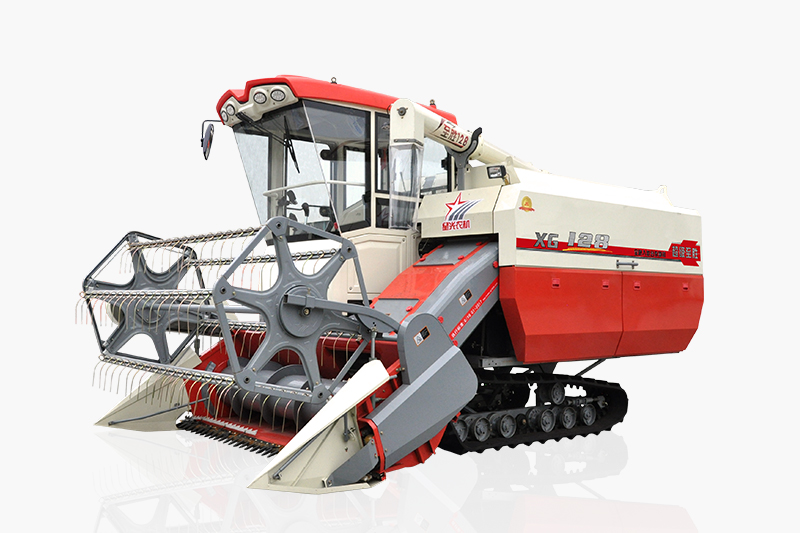 Weather-Resistant Polyester Powder Coating for Agricultural MachineryThis polyester-based powder coating offers strong mechanical properties and UV resistance for long-term outdoor exposure. It suits heavy structural parts needing fast infrared curing, providing uniform coverage across complex geometries.View Product →
The failures are equally predictable. Radiation travels in straight lines, so recessed areas behind flanges, ribs or internal corners stay cold — this is called shadowing. Thin edges heat up faster than the body of the part and can over-cure or yellow. Light colors reflect part of the radiation while dark colors absorb it, so a single fixed power setting rarely works for a full color palette. And if the powder is not designed for a fast heating ramp, rapid outgassing from castings or weld seams creates pinholes and craters.
As a rule of thumb, start with a power density of 25–60 kW/m², a lamp-to-part distance of 100–250 mm, and validate the settings with thermocouple-instrumented test panels before committing to production.
An infrared heater cures powder in a much shorter time window than a convection oven. A standard polyester powder rated for 10 minutes at 200 °C may still cure under infrared, but the ramp rate, the peak film temperature and the risk of over-cure all change. The resin system must flow quickly in the short melt phase, then crosslink fast enough at the chosen peak temperature.
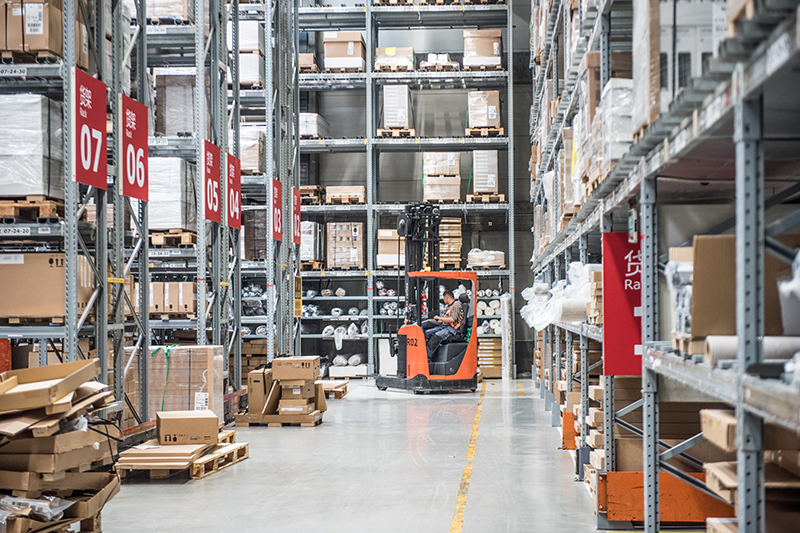
Material-handling equipment is one of the best infrared applications. Forklift masts, carriages and counterweights are so massive that the heating rate, not the powder, usually limits line speed. A hybrid or polyester powder formulated for this application keeps good edge coverage and impact resistance even when the temperature rises in minutes.
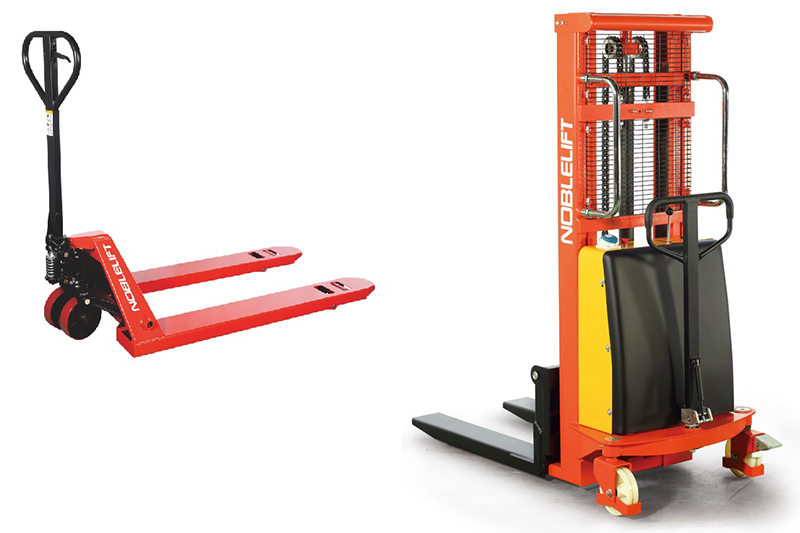 Hybrid Polyester-Epoxy Powder Coating for Forklift ComponentsFormulated for massive material-handling parts, this hybrid powder maintains edge coverage and impact resistance under rapid temperature rise. Available in standard or low-temperature cure versions to suit infrared line speeds.View Product →
Two specialized powder families are also worth considering on IR lines. If the part cannot tolerate high peak temperatures, low-temperature cure (LTC) powder coating shortens the time at temperature and reduces energy demand. If the substrate has cast surfaces, weld seams or porous metal, an antigassing powder coating prevents bubbles that a steep temperature ramp would otherwise create in the film.
An infrared powder curing line is a combination of heaters, temperature sensing, extraction and conveyor controls. Work through these points before requesting a quotation:
Aluminum profiles and other thin-gauge parts shift the design toward lower power density and shorter residence time. A medium-wave emitter bank with dimmable output is a common solution for this mixed workload, and a powder with good stability under rapid heating is part of the specification.
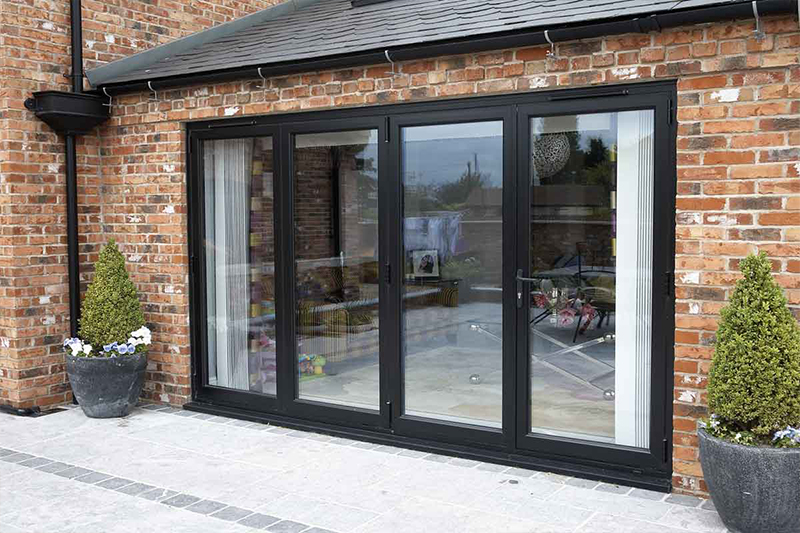 Qualicoat-Certified Architectural Polyester Powder for Aluminum ProfilesDesigned for thin-gauge aluminum sections, this weather-resistant powder delivers stable gloss and color under rapid heating. Medium-wave infrared compatibility makes it ideal for mixed-profile coating lines.View Product →
Medium-wave emitters in the 1.6–4 µm range are the safest general purpose choice because their radiation is well absorbed by most organic powder films. Short-wave emitters are faster on thick steel parts, and long-wave ceramic emitters are preferred for thin sheets and complex shapes where gentle, uniform heating matters more than speed.
Yes. Many lines install an infrared booster at the entry of a convection oven to bring the part to cure temperature faster, then let the convection zone hold it there. This hybrid arrangement reduces overall oven length while retaining the even heating that convection provides in shadowed areas.
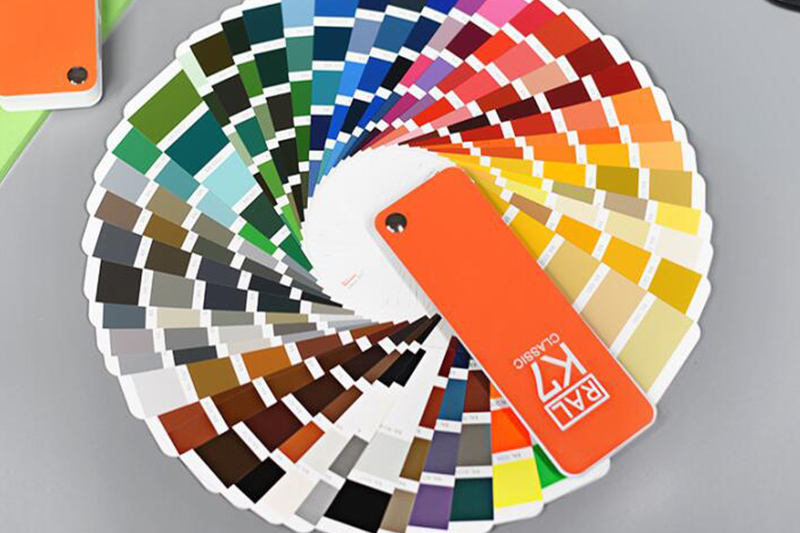
Darker pigments absorb more infrared radiation, so a black part reaches temperature faster than a white one at the same power setting. If you run a full color palette, the control system needs dimming per zone, and the first panels of each new color should be checked for cure and gloss before the belt speed is fixed.
Yes, but the risk is edge overheating. Thin edges reach full temperature in seconds while the center of the sheet is still catching up. Lower power density, a faster belt or long-wave emitters are the usual remedies.


Copyright © Zhejiang Huacai Advanced Material CO., LTD. All Rights Reserved. Powder Coating Manufacturers

 中文简体
中文简体 English