EN
Metal components installed outdoors face a combination of stresses that indoor products rarely encounter. Ultraviolet radiation breaks down organic binders at the molecular level, moisture cycles drive oxidation beneath the surface film, and temperature swings between day and night cause repeated expansion and contraction that can fatigue a coating long before its color visibly changes. For specifiers working with park benches, roadside barriers, or building facades, the coating is often the single variable that determines whether a structure looks presentable and remains structurally sound after five, ten, or twenty years, or whether it becomes a liability within a much shorter window.
Among the finishing technologies available for exterior metalwork, architectural powder coatings have become a reference point because they combine a solvent-free application process with film properties that are specifically engineered for prolonged sun and moisture exposure. Understanding how these coatings behave, and how their performance compares across different product categories, helps buyers set realistic expectations and avoid premature maintenance costs.
Weather resistance is not a single property but a combination of separate performance characteristics that must all hold up simultaneously. A film can retain excellent color while losing mechanical flexibility, or it can resist impact while chalking badly under sun exposure. The resin system used in the powder formulation is the primary factor that determines how these characteristics behave together over time.
Standard indoor-grade polyester and epoxy-hybrid powders were never designed to withstand direct sunlight for years at a stretch. Their resin structures absorb UV energy in a way that breaks chemical bonds near the surface, producing a chalky, faded appearance within one or two seasons outdoors. Coatings formulated for exterior use rely on more UV-stable resin chemistry, allowing the film to hold its gloss and color for much longer service intervals.
A coating that looks intact on the surface can still allow corrosion to progress underneath if moisture finds a path through pinholes, scratches, or poorly pretreated substrate. This is why pretreatment quality and film thickness matter as much as resin selection, particularly for structures like fencing and barriers that are regularly struck by debris, tools, or vehicles.
Park benches, patio sets, cafe seating, and public seating installations face a distinct combination of demands. Unlike a structural barrier, furniture is judged heavily on appearance, meaning color consistency, gloss uniformity, and touch feel are just as important as raw corrosion resistance. At the same time, these pieces are handled directly by the public, exposed to spilled liquids, cleaning chemicals, and repeated contact, so the film needs enough mechanical resilience to resist scuffing and chipping.
outdoor metal furniture powder coating formulations typically favor a semi-gloss or matte texture, both because it hides minor surface imperfections better than high gloss and because matte finishes tend to show less visible wear over years of handling. Tubular steel and cast aluminum frames are the most common substrates, and each benefits from slightly different pretreatment approaches; aluminum in particular needs a conversion coating step to promote adhesion, since its natural oxide layer resists bonding if left untreated.
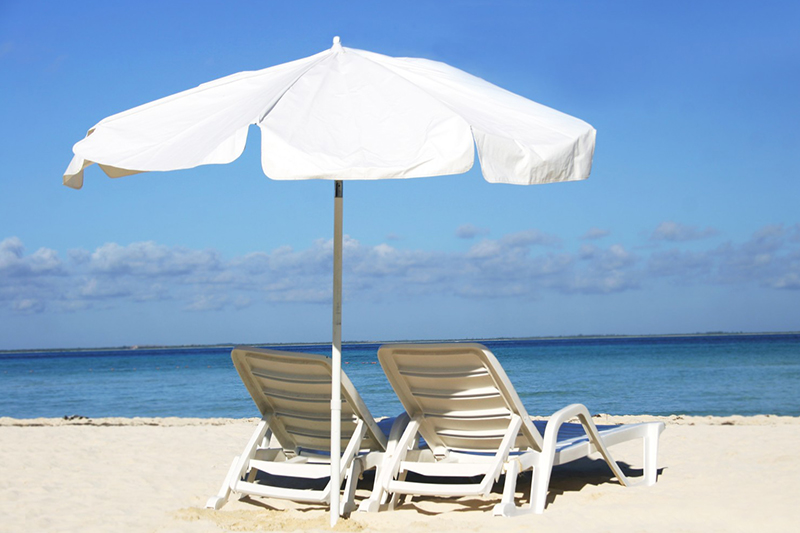
Powder-coated outdoor furniture frames benefit from semi-gloss finishes that resist visible scuffing.
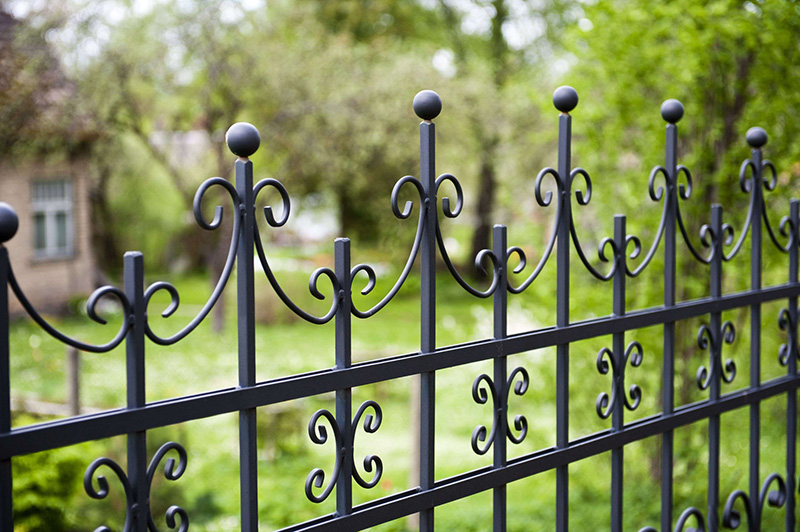
Guardrails, crash barriers, and fencing systems operate in one of the harshest coating environments outside of marine applications. They are mounted low to the ground, meaning they collect road salt spray, standing water, and gravel impact from passing traffic. Any coating specified for this category has to combine strong adhesion with enough flexibility to absorb minor impacts without cracking, since a cracked film is the fastest route to localized rust that can spread beneath intact-looking sections of the coating.
guardrail powder coating systems are commonly specified with thicker dry films than furniture or decorative applications, often in a range that trades some flexibility for improved barrier protection against moisture penetration. Galvanized steel is a frequent substrate choice for this category, and coatings intended for galvanized surfaces need a formulation that will not blister when zinc-related outgassing occurs during cure.
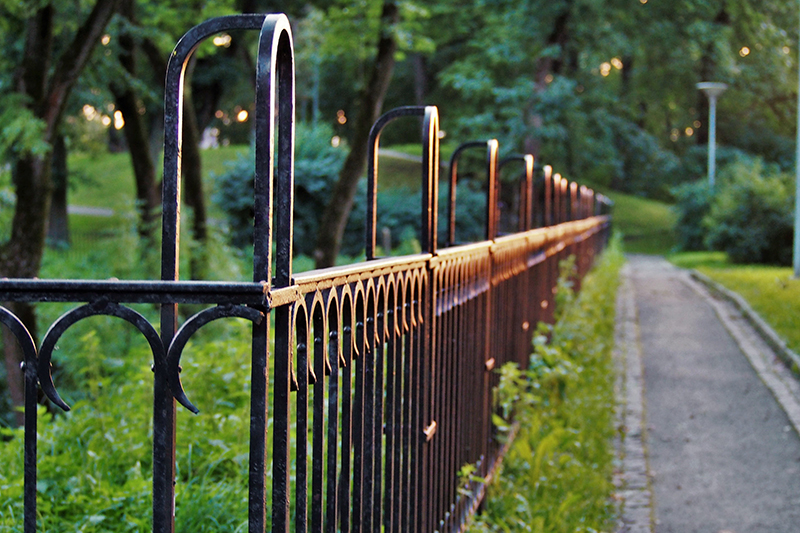
Guardrail sections require thicker films and impact-tolerant formulations near ground level.
| Factor | Typical Requirement for Guardrail Applications |
|---|---|
| Substrate | Hot-dip galvanized or pre-galvanized steel |
| Film Thickness | 80 to 120 microns |
| Impact Flexibility | Must withstand direct impact without film cracking at low temperatures |
| Salt Spray Exposure | Commonly tested to 1000 hours or more without red rust |
Architectural metalwork covers a wide range of components including curtain wall mullions, louvers, sunshades, railings, and cladding panels. These elements are frequently specified with long design lifespans that match the building itself, meaning premature fading or chalking is not just a cosmetic issue but a specification failure that can trigger warranty claims years after installation. Architects and facade engineers typically request documented performance data before approving a coating for a building envelope.
Color stability is especially critical here because architectural projects often mix multiple metal components sourced at different times, and any noticeable color drift between original and replacement panels becomes visually obvious on a large facade. This is one of the main reasons fluoropolymer-modified and super-durable polyester systems dominate premium architectural specifications, even though they carry a higher material cost than standard polyester options.
Facade-grade coatings prioritize long-term color stability across large surface areas.
One of the most useful ways to compare coating systems is to track how gloss level changes over multiple years of continuous outdoor exposure, since gloss loss is usually the first visible sign that a film is beginning to degrade. Standard polyester powders tend to show a steep decline within the first two to three years in high-UV climates, while super-durable formulations maintain a much flatter curve.
The gap between the two curves widens each year, which is why lifecycle cost comparisons should always account for the difference in repainting frequency, not just the initial material price per kilogram.
No single coating type wins on every metric. Standard polyester remains the most cost-efficient option for budget-conscious projects with moderate exposure, while fluoropolymer-modified systems deliver the strongest UV and gloss performance at a premium price. The radar comparison below summarizes how three common categories stack up across five attributes on a zero to ten scale.
The finished performance of a coating depends as much on process control as it does on the resin formulation itself. Skipping or rushing any stage of the sequence below tends to show up years later as premature corrosion or gloss loss, even when the powder chemistry itself was correctly specified.
Specifying the correct combination of film thickness, gloss level, and expected service life up front avoids costly rework later. The table below summarizes typical starting points used across the three application categories covered in this article, though final specifications should always account for local climate severity and coastal proximity.
| Application | Film Thickness | Typical Gloss Level | Expected Service Life |
|---|---|---|---|
| Outdoor Furniture | 60 to 90 microns | Matte to Semi-Gloss | 10 to 15 years |
| Guardrails and Barriers | 80 to 120 microns | Semi-Gloss | 15 to 20 years |
| Architectural Facade Panels | 60 to 100 microns | Gloss to High Gloss | 20 to 25 years |
| Public Playground Equipment | 70 to 100 microns | Semi-Gloss | 10 to 15 years |
Even a well-specified coating benefits from basic upkeep. Routine cleaning removes accumulated grime and salt residue that can otherwise concentrate moisture against the film surface, and prompt attention to any impact damage prevents small chips from becoming entry points for corrosion.
Service life depends heavily on resin type and climate severity, but premium exterior formulations commonly maintain acceptable gloss and color for fifteen to twenty-five years, while standard indoor-grade powders may show visible degradation within two to three years of direct sun exposure.
Not necessarily. Beyond a certain point, additional thickness increases the risk of cracking under mechanical stress and does not proportionally improve UV resistance, which is primarily governed by resin chemistry rather than film depth alone.
Airborne salt accelerates corrosion by keeping the metal surface more consistently moist and by introducing chloride ions that can penetrate small film defects faster than fresh water alone, so coastal projects typically require thicker films and more rigorous pretreatment.
They can share a similar resin family, but furniture applications usually prioritize touch feel and scuff resistance while architectural applications prioritize long-term color uniformity across large surface areas, so gloss level and additive packages are often adjusted differently.
Accelerated weathering chambers and salt-spray testing are commonly used to simulate years of outdoor exposure within weeks, giving specifiers comparative data on gloss retention, chalking, and corrosion resistance before committing to full production runs.


Copyright © Zhejiang Huacai Advanced Material CO., LTD. All Rights Reserved. Powder Coating Manufacturers

 中文简体
中文简体 English