EN
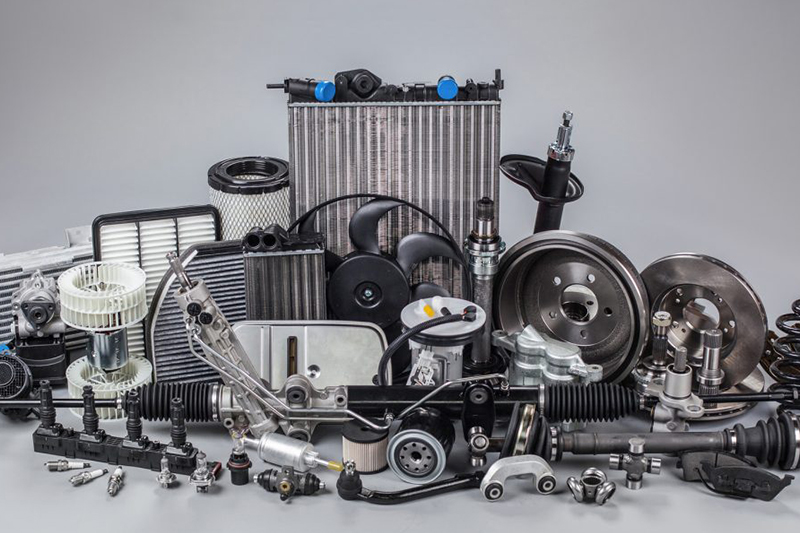
The selection of resins for heat-resistant automotive powder coatings is a critical aspect of ensuring durability, performance, and aesthetic quality in vehicle parts. Automotive powder coatings are widely used in various components, including chassis, wheels, exhaust systems, and engine parts, where resistance to high temperatures and harsh environmental conditions is essential.
Automotive powder coating is a dry finishing process in which a powder, typically made of resin, pigment, and additives, is electrostatically applied to a substrate and then cured under heat. Unlike conventional liquid paints, powder coatings do not require solvents and are known for their environmental benefits, excellent corrosion resistance, and superior surface finishes. The choice of resin plays a significant role in the coating’s thermal stability, mechanical properties, and overall performance.
Heat resistance is one of the most crucial performance attributes in automotive powder coatings. Several factors must be considered to ensure the coating performs optimally at elevated temperatures:
Thermal Stability: The resin must maintain its physical and chemical properties at high temperatures, avoiding degradation, discoloration, or loss of adhesion.
Adhesion Strength: A heat-resistant coating must adhere strongly to metal substrates, particularly in automotive parts that undergo high-temperature exposure during normal operation.
Chemical Resistance: The resin should resist degradation from chemicals such as oils, fuels, and exhaust gases, which are common in automotive environments.
Mechanical Properties: Heat resistance does not mean compromising mechanical strength. The resin should retain its flexibility, impact resistance, and hardness even under elevated temperatures.
There are various types of resins used in automotive powder coatings, each offering specific advantages for heat-resistant applications. Below, we explore the most commonly used resins for automotive coatings that need to withstand high temperatures.
Epoxy resins are widely used in powder coatings for their excellent adhesion, corrosion resistance, and good mechanical properties. However, standard epoxy resins have limited heat resistance, generally up to 180°C. For heat-resistant applications, modified epoxy resins, often blended with other resins like polyester, can offer better performance.
Polyester resins, especially the high-temperature variants, are often selected for automotive powder coatings. These resins offer good color retention and impact resistance at temperatures up to 220°C. They are commonly used for exterior automotive parts exposed to moderate heat, such as door handles and wheel covers.
Polyurethane resins are known for their superior weather resistance and high gloss finish, making them an excellent choice for exterior automotive applications. These resins can handle heat exposure up to 250°C without significant degradation, making them suitable for underhood components like engine covers and exhaust systems.
Silicone resins stand out for their exceptional heat resistance. These resins can withstand temperatures ranging from 300°C to 600°C, making them ideal for automotive parts exposed to extreme temperatures, such as exhaust manifolds and engine parts. However, silicone resins tend to have lower mechanical properties compared to other resins and are typically used in specialized applications.
Modified acrylic resins are designed to combine the benefits of high-temperature resistance with excellent clarity and color retention. These resins are suitable for automotive parts exposed to moderate to high heat conditions, like trim parts and other external components.
The selection of the right resin depends on several factors, including the specific automotive part being coated, the temperature range it will be exposed to, and the environmental conditions it will face. Below are the main considerations for resin selection.
Temperature Range: Determine the maximum temperature the component will experience during normal operation. For instance, engine parts require resins that can withstand higher temperatures than body panels.
Environmental Exposure: Consider the exposure to environmental factors such as UV light, humidity, chemicals, and salt. Parts that are exposed to exhaust gases or road salt, such as underbody components, require resins with excellent chemical resistance.
Performance Requirements: Depending on the part’s location and function, the required coating properties may vary. Exterior parts may require superior weathering and color retention, while interior components may prioritize mechanical strength and impact resistance.
Cost and Production Considerations: Some resins, like silicone, offer excellent heat resistance but are more expensive. Evaluate the cost-effectiveness of different resins based on the production scale and performance requirements.
Below is a comparison of the key resins typically used in heat-resistant automotive powder coatings:
| Resin Type | Heat Resistance | Advantages | Disadvantages |
|---|---|---|---|
| Epoxy | Up to 180°C | Good adhesion, corrosion resistance | Limited heat resistance, UV degradation |
| Polyester | Up to 220°C | Good color retention, impact resistance | Moderate heat resistance |
| Polyurethane | Up to 250°C | High heat resistance, excellent finish | Expensive |
| Silicone | Up to 600°C | Exceptional heat resistance, stability | Lower mechanical strength, expensive |
| Modified Acrylic | Up to 220°C | High weathering, color retention | Prone to scratching, lower impact resistance |
Selecting the right resin for heat-resistant automotive powder coatings is essential for ensuring the durability, aesthetic quality, and performance of automotive components. By considering the temperature requirements, environmental exposure, and mechanical performance of the coated parts, engineers can make informed decisions that meet both functional and production needs. Understanding the strengths and limitations of various resins—such as epoxy, polyester, polyurethane, silicone, and modified acrylic—will help optimize the coating solution for specific applications.
What is the maximum temperature that automotive powder coatings can withstand?
How does silicone resin differ from other resins in heat resistance?
Can polyester resins be used for parts exposed to high heat?
What factors should be considered when selecting a resin for automotive powder coatings?


Copyright © Zhejiang Huacai Advanced Material CO., LTD. All Rights Reserved. Powder Coating Manufacturers

 中文简体
中文简体 English