EN
Steel rusts when oxygen and moisture reach its surface. For manufacturers and property owners looking to keep steel from rusting without paint, the most dependable answer is a dry powder coating that melts into a dense protective layer. This guide compares the realistic no-paint alternatives, from temporary oils to hot-dip galvanizing, and explains when powder coating makes sense.
The shortest path to a rust-free steel part is a clean surface plus a coating that blocks moisture and provides sacrificial protection where edges and scratches appear.
Although no single solution fits every steel part, the choices become clearer once you separate temporary protection from permanent protection. The sections below outline corrosion mechanisms, compare practical methods, and show how to specify a powder coating system that will last.
Rusting is an electrochemical reaction. Steel needs four conditions to corrode: an anode, a cathode, an electrolyte such as water, and dissolved oxygen. Remove any one of these, and corrosion slows or stops. Conventional liquid paint works as a barrier, but solvent-based paint is porous, brittle, and easily damaged by scratches or UV exposure.
No-paint protection methods work in three ways: by blocking the electrolyte, by consuming the anode through sacrificial zinc, or by changing the steel surface itself. Powder coating belongs in the first group because it is a dry composition of resin, curing agents, and pigments applied electrostatically and then thermally cured. Since it contains no liquid solvent, it is technically not paint, which is why it fits a strategy for rust prevention without paint.
The right choice depends on the part's life cycle, exposure, and maintenance budget. The table below compares the main options.
| Method | Mechanism | Typical Service Life | Best Application |
|---|---|---|---|
| Hot-dip galvanizing | Sacrificial zinc layer | 25 to 50 years in mild environments | Structural steel, fences, light poles |
| Electroplated zinc | Thin sacrificial zinc | 5 to 15 years indoors | Fasteners, brackets, small parts |
| Temporary rust preventives | Oil or VCI film that excludes moisture | Weeks to months | In-process parts, exported machinery |
| Conversion coating | Phosphate or oxide layer | Years, but needs sealer | Adhesion base before final finishing |
| Powder coating | Thermoset barrier cured at temperature | 15 to 30 years with correct pretreatment | Architectural steel, pipe, outdoor furniture, equipment |
| Weathering steel | Stable patina that reduces corrosion rate | Decades, depending on environment | Facades, bridges, sculptures |
Powder coating is the only finish in this list that can serve as both a corrosion barrier and a final appearance layer. Hot-dip galvanizing gives outstanding zinc protection but leaves a rough surface; oil-based preventives are temporary; weathering steel is limited to specific alloy grades. Powder coating can be specified as a one-coat system or combined with a zinc-rich primer for a duplex system.
Powder coating is not paint. It is a dry mixture of resin, curing agents, pigments, and functional fillers applied electrostatically to a grounded steel part. The part then passes through a curing oven where the powder melts and cross-links into a continuous, high-adhesion film. Since there is no solvent, there is no VOC emission and no sagging on vertical surfaces.
The cured film is thicker than most liquid paint, typically 60 to 120 microns, and can be engineered for high impact resistance, UV stability, chemical resistance, or sacrificial corrosion protection. For steel exposed to salt, condensation, and mechanical wear, zinc-rich powder coatings are a strong first choice because zinc particles in the film corrode sacrificially and protect the steel at scratches and cut edges.
 Zinc-Rich Powder Coating for Sacrificial Corrosion ProtectionThis powder coating uses zinc particles to corrode sacrificially, protecting steel at scratches and cut edges. It suits salt, condensation, and mechanical wear environments, offering a durable first line of defense.View Product →
Because the application process is dry, powder coating also eliminates runs, solvent pinholes, and flash rust between coats. This makes the coating more repeatable in production, and it is a practical answer for manufacturers that cannot tolerate the waste and fire risk of solvent paints.
No single powder formula is ideal for every condition. Your choice should match the environment the steel will face.
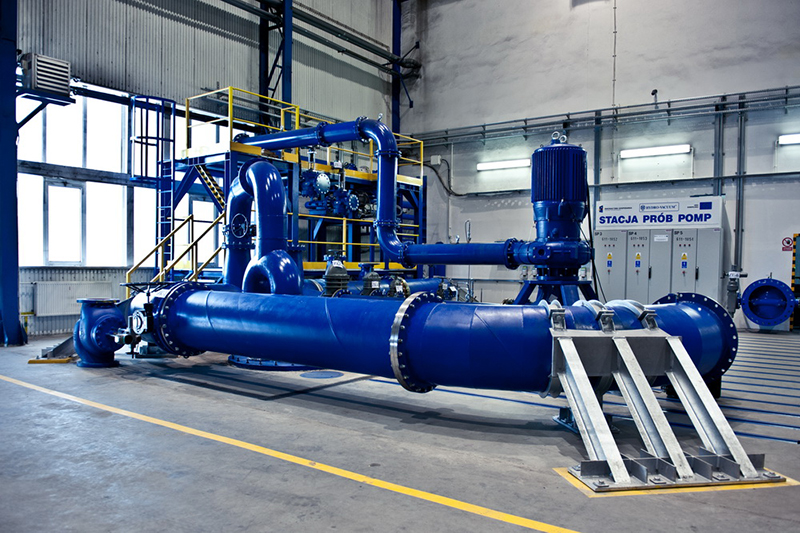
Epoxy-based powder coatings provide excellent barrier properties and resistance to cathodic disbondment for buried pipelines, valves, and structural elements exposed to aggressive moisture. Epoxy is less UV-stable than polyester, so it is often used on buried parts or as a primer. For demanding lines, a zinc-rich epoxy or fusion-bonded epoxy system gives the longest protection.
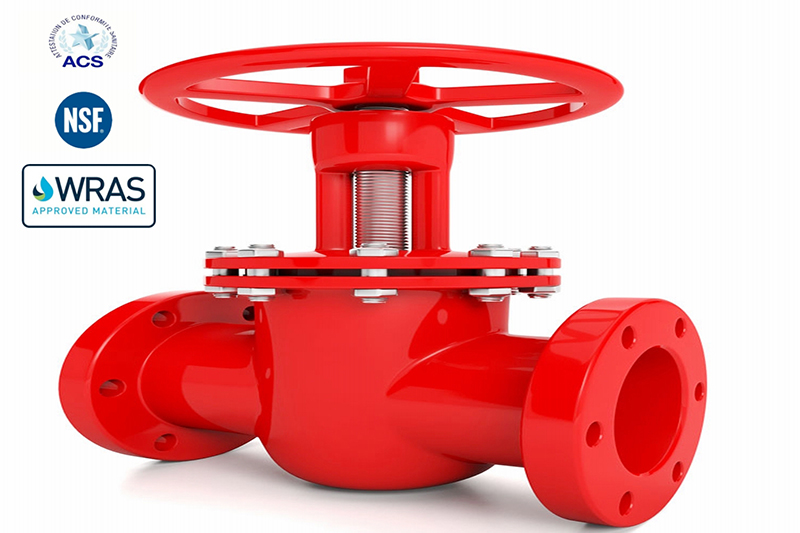 Valve and Pipeline Epoxy-Polyester Powder CoatingBlending epoxy and polyester resins, this coating provides strong corrosion resistance, mechanical toughness, and decorative finish. It suits pipelines, valves, and structural parts exposed to moisture and demanding service conditions.View Product →
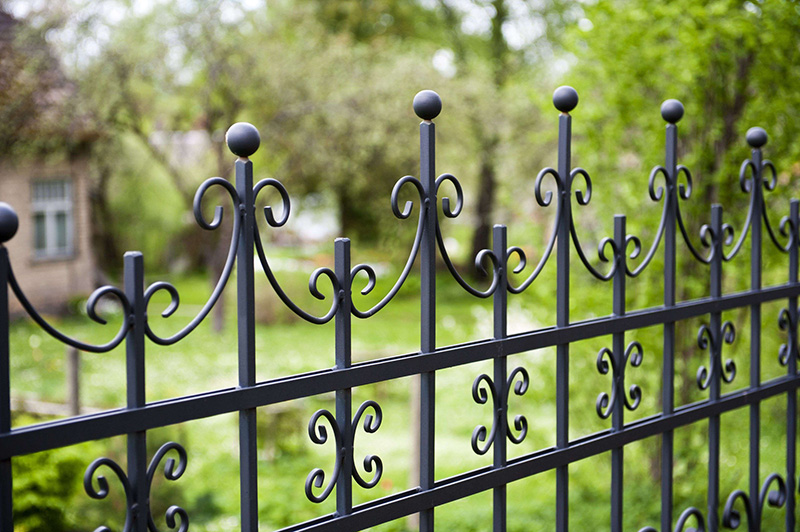
Polyester powder coatings are the standard for outdoor metal furniture, guardrails, and similar steel details because they tolerate UV radiation and hold color for years. They are also resistant to chipping and scratching, which is a common failure point of conventional paint on moving parts. For coastal sites, a super-durable polyester or a zinc-rich primer plus polyester topcoat is recommended.
 Outdoor Metal Furniture Weather-Resistant Powder CoatingFormulated with polyester and TGIC or HAA, this coating delivers excellent weather resistance and mechanical properties. It is ideal for long-term outdoor exposure like furniture, communication bases, and architectural profiles.View Product →
Hybrid epoxy-polyester powder coatings balance adhesion, flexibility, and economy for cabinets, appliances, light machinery, and metal furniture used indoors. They do not offer the same corrosion resistance as pure epoxy or the same weather resistance as pure polyester, so specify them carefully for interior service.
If you are unsure, a powder coating manufacturer with a broad portfolio can help you match the resin chemistry, film thickness, and pretreatment to your steel quality and exposure class.
Powder coating cannot repair a rusty or oily steel surface. Before coating, the steel must be cleaned of mill scale, rust, and grease. Blast cleaning to a standard such as ISO 8501-1 Sa 2.5 is usually required, followed by a phosphate conversion coating. These steps create both a rough anchor profile and a chemically active surface that greatly improves adhesion and underfilm corrosion resistance.
Many coating failures trace back to inadequate pretreatment, not the coating itself. A shop that skips grit blasting or uses degraded chemical baths will see early blistering, disbondment, and rust bleeding at scratches. This is why choosing a supplier with documented process control and a reliable pretreatment line matters.
For a deeper look at why substrate cleaning is non-negotiable, see why substrate preparation is essential in powder coating.
Permanent coatings are not always practical. For semi-finished parts, spares, or machinery waiting for final assembly, temporary protection prevents flash rust. Options include water-displacing corrosion inhibitors, vapor phase inhibitor packaging, and dry desiccant storage. These methods buy time for hours to months but never replace a cured coating. When parts leave the warehouse, the temporary film must be removed before any powder coating is applied.
No. Powder coating is a dry powder applied electrostatically and thermally cured. It contains no liquid solvent, so it is not a paint. Many engineers classify it as a powdered thermoset coating, which is why it belongs in a without-paint rust prevention discussion.
No. Rust and scale must be mechanically removed, usually by abrasive blasting, and then the surface must be clean and dry. Applying powder over rust traps moisture and leads to underfilm corrosion.
Zinc particles in the cured film act as sacrificial anodes. If the surface is scratched or cut, the zinc corrodes preferentially, protecting the steel until the surrounding area is repainted or the zinc reservoir is consumed.
With correct pretreatment, a properly selected powder coating commonly provides 15 to 30 years of protection in outdoor environments. In lighter indoor service, some systems last longer, while severe marine or chemical exposure shortens the service life.
To keep steel from rusting without paint, start by defining the service environment, expected lifetime, and production method. Temporary methods protect only for days or months; galvanizing protects for decades but changes the surface appearance; powder coating gives a factory-applied, durable finish with predictable thickness and no VOC emissions. For most industrial steel products, a properly selected powder coating system is the most cost-effective way to achieve long-term protection.
If you are evaluating a coating for a steel component, share your substrate condition and corrosion class with a powder coating manufacturer. A good supplier will recommend the right resin system and pretreatment sequence rather than a one-size-fits-all price quote.


Copyright © Zhejiang Huacai Advanced Material CO., LTD. All Rights Reserved. Powder Coating Manufacturers

 中文简体
 English