EN
Last summer, you noticed a dull haze on your powder coated patio table. You grabbed the strongest degreaser in the kitchen, scrubbed hard, and a few weeks later, dull white streaks appeared where the coating used to shine. Powder coated metal is tougher than liquid paint, but the wrong cleaner can leave permanent damage.
The safest approach is simpler than most people expect: mild soap, water, and a soft cloth handle routine cleaning. For stubborn stains, a few targeted techniques work without compromising the coating. Here is the practical cleaning routine we recommend for powder coated metal surfaces, based on how different powder coating formulations react to chemistry and abrasion.
Powder coating is a thermosetting finish. After curing in an oven, the resin forms a highly cross-linked network that resists scratches, UV light, and most weather conditions. That structure is what makes powder coated surfaces durable. However, the coating still has a chemical tolerance limit.
Different resin systems respond to cleaners differently. Polyester powder coatings, for example, hold up well outdoors but can soften when exposed to strong solvents. Epoxy coatings offer excellent corrosion protection but are more sensitive to sunlight. Hybrid epoxy-polyester coatings sit somewhere in between. Knowing which type of coating you have helps you choose the right cleaning method.
In short, the abrasive and chemical choices you make during cleaning can either preserve or shorten the life of your coating. A little knowledge makes the difference.
For most cleaning situations, warm water and a mild dish soap are enough. The process takes five minutes and never requires strong solvents.
For outdoor surfaces exposed to rain, dust, and pollution, repeat this routine once a month. For indoor items, a quarterly wipe-down is usually sufficient. If you live in a coastal environment or an area with high air pollution, clean more often, as salt and particulates can settle on the coating and build up unattractive layers.
If you are washing a large powder coated fence or wall, a pressure washer set to low pressure around 1500 PSI can be effective. Keep the nozzle at least 30 cm from the surface and use a wide spray pattern. High-pressure washing can strip the coating or force water into gaps at the edges.
No matter how careful you are, things happen. Bird droppings, tree sap, oil splashes, and early oxidation can all make an appearance. The key is to treat each case with the least aggressive method that works.
Brown spots on a powder coated surface usually mean iron particles or early oxidation on the base metal. Use a soft cloth with a small amount of white vinegar, rub the spot gently, and rinse immediately. For slightly more stubborn oxidation, a paste of baking soda and water can be applied, left for a few minutes, and wiped off with a soft cloth. Never use a wire brush or steel wool in this situation; those tools cut through the coating and expose the metal underneath.
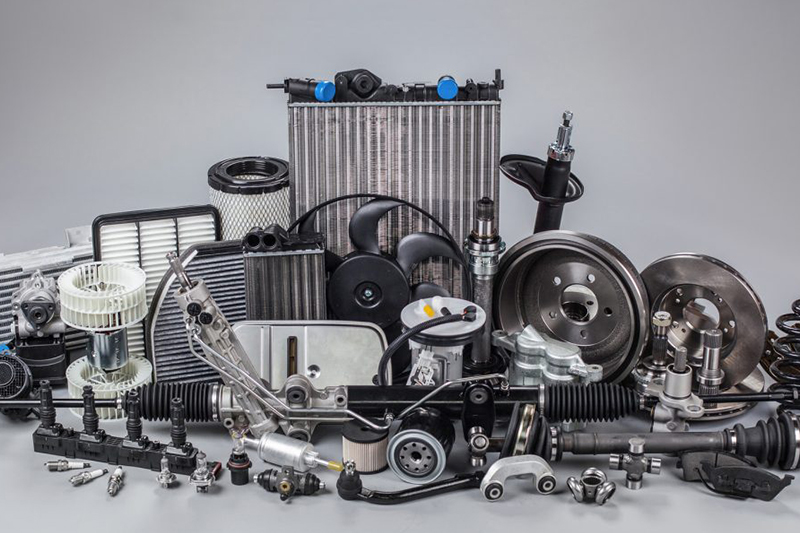
On equipment, fences, and automotive parts, grease can settle into the finish. A diluted solution of isopropyl alcohol, about 10% in water, removes oil without softening the resin. Apply a little to a cloth, wipe the stain, then rinse the area with water and dry it. Stronger solvents such as acetone or methyl ethyl ketone should not be used, as they can dissolve the coating's surface layer.
For organic contamination, use warm soapy water and a soft cloth. Let the soapy water sit on the sap or dropping for a couple of minutes, then wipe gently. This softens the residue enough to remove it without leaving scratches. If a stain remains, a small amount of white vinegar on a cloth will break down the residue, followed by a clean water rinse.
Some cleaning products can cause permanent damage. Understanding the chemical categories below will help you avoid costly mistakes.
| Cleaning Agent | Effect on Powder Coating | Safer Alternative |
|---|---|---|
| Acidic cleaners (hydrochloric, sulfuric) | Etch the coating and cause pitting | Mild soap and warm water |
| Strong alkaline cleaners (lye, caustic soda) | Attack the resin matrix and cause dulling | Neutral dish soap |
| Abrasive pads, wire brushes, scouring pads | Create permanent scratches and expose base metal | Microfiber cloth or soft sponge |
| Organic solvents (acetone, toluene, paint thinner) | Softens or dissolves the cured coating | Diluted isopropyl alcohol (10% max) |
Risk warning: Acidic cleaners, alkaline detergents, and abrasive pads are the three most damaging categories. Keep them away from powder coated surfaces.
The rule of thumb is simple: if a cleaner would be harsh on a car's clear coat, do not use it on powder coated metal. Mild, pH-neutral products are the safest choice.
Cleaning is only part of the story. Good maintenance habits keep powder coated finishes attractive and functional for years.
Applying a quality car wax or furniture wax once or twice a year creates an additional protective layer. The wax fills microscopic pores in the coating, repels water and dirt, and makes future cleaning easier. Use a soft applicator pad and follow the product's instructions. This step is especially useful on outdoor metal furniture and garden fences.
Knocking a heavy object against a powder coated surface can chip the coating, exposing the metal underneath. Position furniture, equipment, and fixtures away from high-traffic contact points. If a chip does occur, touch up the damaged area as quickly as possible with a matching powder coating repair product or paint, before moisture reaches the bare metal.
Standing water and rainwater trapped on edges can lead to premature corrosion at the coating-metal interface. After heavy rain or a cleaning session, wipe the surface dry with a clean cloth. Pay particular attention to areas where water collects, such as the bottom edges of fences or the underside of outdoor furniture.
Even with excellent care, powder coated surfaces will eventually show signs of age. If you notice deep scratches, large areas of peeling or blistering, or rust spreading from an old chip, the coating may no longer be protecting the metal.
At that point, full recoating is often more practical than trying to patch a large damaged area. The process requires removing the old coating completely, because a new powder layer applied over old damaged powder may not adhere correctly. Chemical stripping, sandblasting, and thermal methods are the most common removal approaches.
How long a powder coating lasts depends on the quality of the coating, the substrate preparation, and the cleaning routine. If you want to know how long the powder coating will last, the average range is 10 to 15 years for outdoor exposure and longer indoors. Choosing the right coating at the start, and maintaining it correctly, is the most cost-effective path.
At Zhejiang Huacai Advanced Material Co., Ltd., we have manufactured powder coatings for industrial and architectural applications since 1998. Our formulators design products with surface quality in mind, including easy-clean properties. For outdoor metal furniture, regular washing should not compromise the finish, which is why we offer dedicated outdoor metal furniture powder coating that resists UV fading, chalking, and water staining.
 Outdoor Metal Furniture Powder Coating with Weather ResistanceSpecially formulated for outdoor metal furniture, this coating resists UV fading, chalking, and water staining while maintaining excellent mechanical properties. Ideal for long-term exposure, it supports easy cleaning without compromising the finish.View Product →
For public facilities, equipment, and surfaces that are exposed to graffiti or frequent touching, our antigraffiti powder coating is engineered so that common markers, sprays, and dirt can be wiped away without damaging the finish. Similarly, our guardrail powder coating is formulated for long-term outdoor exposure and is easy to clean with standard soap and water.
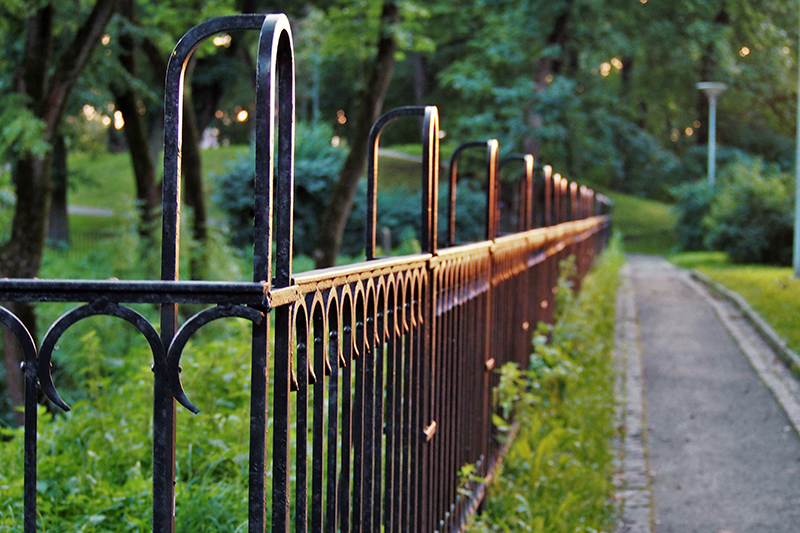 Guardrail Powder Coating for Long-Term Outdoor UseDesigned for guardrails and outdoor structures, this coating offers excellent weather resistance and mechanical properties. It withstands long-term exposure and is easy to clean with standard soap and water, ensuring durable protection.View Product →
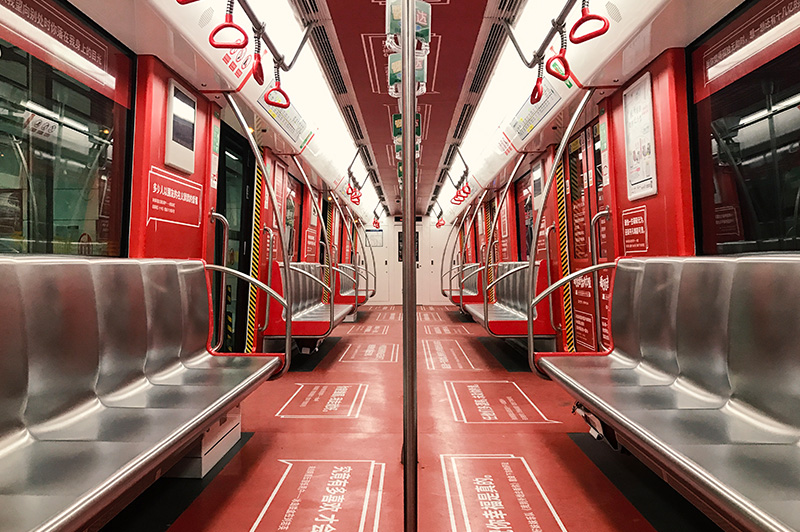 Anti-Graffiti Powder Coating for Easy Clean SurfacesEngineered for public facilities and frequently touched surfaces, this coating allows common markers, sprays, and dirt to be wiped away without damaging the finish. Suitable for equipment requiring frequent cleaning and graffiti resistance.View Product →
Choosing the right coating for your specific environment is just as important as cleaning it correctly. We invite you to learn more about our powder coating products and capabilities, and our technical team can help you match the right formulation to your metal substrate, exposure conditions, and aesthetic requirements.


Copyright © Zhejiang Huacai Advanced Material CO., LTD. All Rights Reserved. Powder Coating Manufacturers

 中文简体
中文简体 English