EN
Selecting a coating system is rarely a cosmetic decision on the factory floor. The finish applied to a steel frame, an aluminum extrusion, or a stamped automotive bracket determines how long that part resists corrosion, how it performs under repeated mechanical stress, and how much it costs a plant in warranty claims and repaint cycles over its service life. Industrial metal finishing has shifted heavily toward powder-based systems over the last two decades because they combine a hard, continuous film with a process that produces little airborne waste compared with solvent-based liquid paint.
The challenge for engineers and procurement teams is that not all powder coatings are built for the same job. A coating engineered for outdoor architectural aluminum will not necessarily hold up on a forklift mast subjected to daily impact, and a coating designed for automotive underbody parts has different flexibility and adhesion requirements than one meant for a static enclosure. This guide breaks down how coating requirements differ across major industrial applications and what criteria should drive the final specification.
Powder coating applications now span nearly every sector that manufactures or maintains metal components. The table below summarizes the primary demands each sector places on a coating system.
| Industry Sector | Primary Coating Demand | Typical Film Thickness |
|---|---|---|
| Material handling equipment | Impact and abrasion resistance | 60 to 100 microns |
| Architectural aluminum | Weathering and color retention | 50 to 80 microns |
| Automotive components | Chip resistance and heat tolerance | 40 to 90 microns |
| Agricultural machinery | Chemical and moisture resistance | 70 to 110 microns |
| Furniture and appliances | Surface smoothness and gloss control | 40 to 70 microns |
Beyond these headline sectors, powder coating is common in electrical enclosures, HVAC housings, playground and outdoor furniture structures, and structural steel used in warehousing. What ties these industries together is a shared need for a durable, uniform finish that can be applied efficiently at volume, which is exactly what powder systems are designed to deliver.
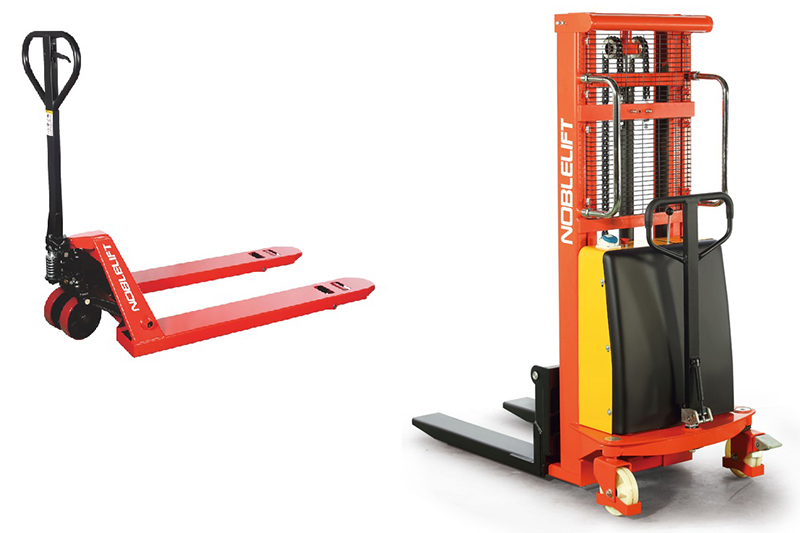
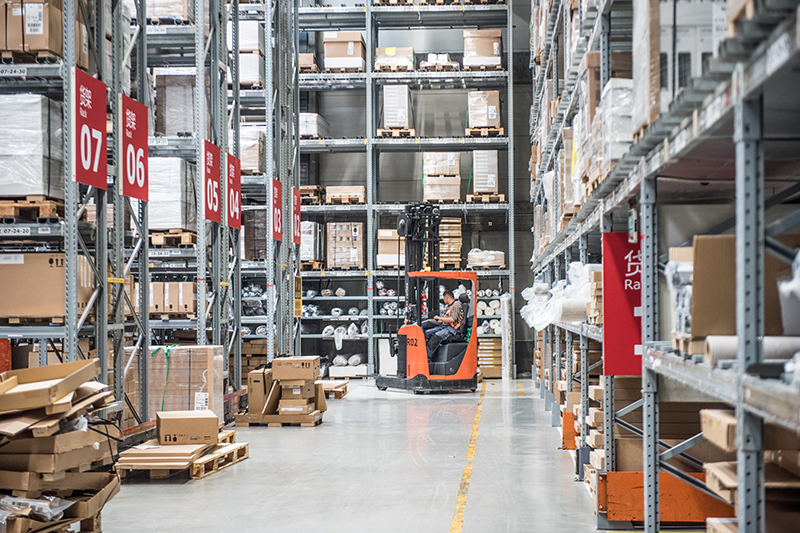
Few pieces of industrial equipment take as much physical punishment as a forklift. Masts, counterweights, and chassis frames are exposed to constant vibration, load impacts, scraping against pallets and racking, and in many warehouses, outdoor exposure to rain and temperature swings. A coating that looks fine in a showroom but chips within months of daily loading cycles is not doing its job.
Forklift powder coating formulations typically lean on hybrid chemistries that balance hardness with enough flexibility to absorb impact without cracking. Hardness alone is not the goal, because a film that is too rigid will chip at the edges of contact points rather than flexing and recovering. The better approach is a coating that combines:
In fleet maintenance studies conducted by equipment rental operators, forklifts refinished with a properly matched hybrid powder system have shown measurably fewer touch-up repaints over a three-year service window compared with units coated using generic industrial paint. The difference tends to show up most at high-wear zones such as the fork heel and mast rails, where thin or poorly adhered coatings fail first.
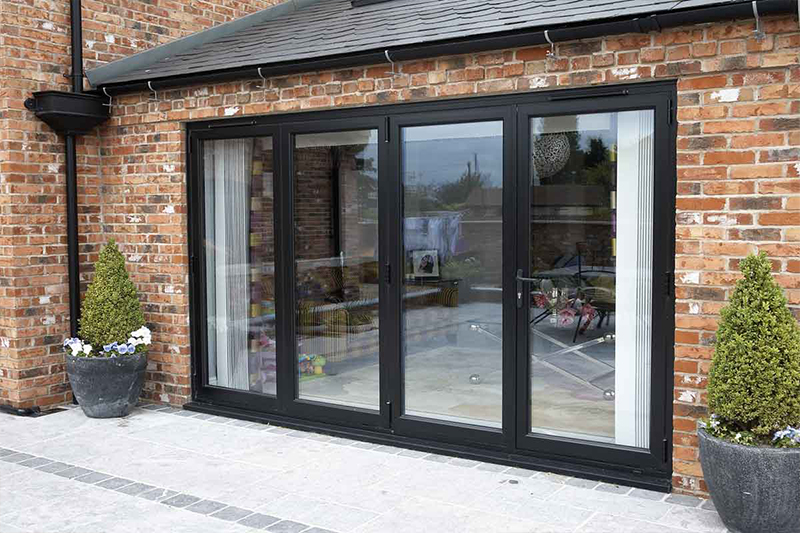
Aluminum extrusions used in window frames, curtain walls, industrial framing systems, and equipment housings present a different set of demands than steel equipment. Aluminum is naturally more corrosion resistant than steel, so the coating's job shifts toward color uniformity, gloss retention, and long-term weatherability rather than pure mechanical toughness.
Aluminum profile powder coating systems are generally built around polyester resin technology because it offers strong ultraviolet stability, which matters enormously for profiles installed outdoors or behind glass where sunlight exposure is constant. A profile that chalks, fades, or yellows within a few years creates a visible aesthetic failure even if the underlying metal is structurally sound.
Key considerations for aluminum profile coating selection include:
| Requirement | Why It Matters |
|---|---|
| Pretreatment compatibility | Aluminum requires chromate-free conversion coatings for proper adhesion |
| Weathering grade | Determines expected color and gloss stability under sun exposure |
| Edge coverage | Extrusion profiles have sharp corners that are prone to thin film buildup |
| Texture options | Matte, satin, and textured finishes affect scratch visibility on architectural work |
Facade and window system fabricators frequently specify coatings certified to recognized architectural weathering standards, since these installations are expected to hold their appearance for well over a decade without significant fading.
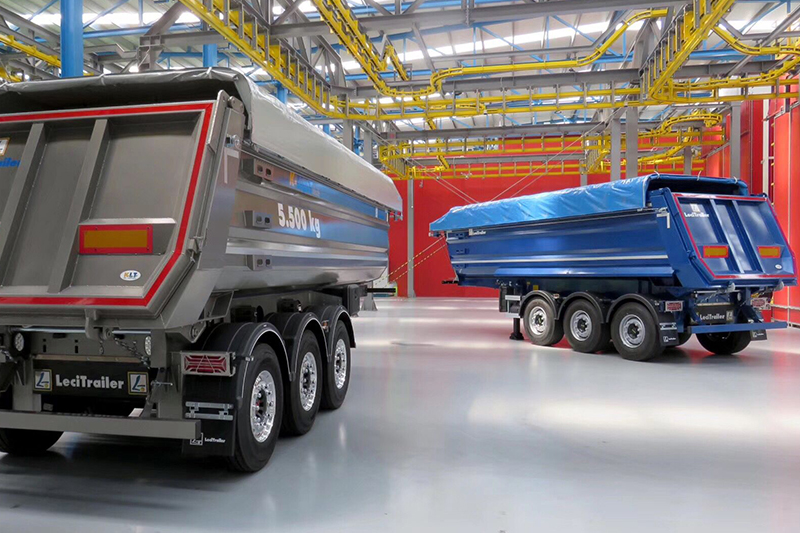
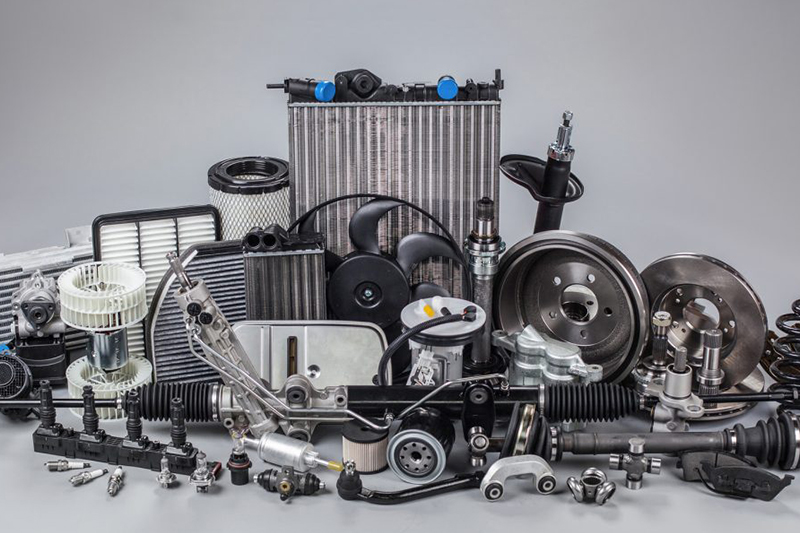
Automotive parts, from wheels and brake components to underbody brackets and engine covers, operate in one of the harshest environments a coating will ever face. Components are subjected to road salt, gravel impact, sustained heat cycling near the engine bay, and exposure to fuels and fluids. A coating failure here is not just cosmetic, it can accelerate corrosion of structural parts.
Automotive powder coating specifications typically demand a combination of chip resistance, heat stability, and chemical resistance that exceeds what is required in general industrial applications. Wheel coatings, for example, must withstand curbing impacts and brake dust without discoloring, while underbody parts must resist road salt corrosion through repeated freeze-thaw seasons.
Common performance benchmarks used when qualifying an automotive-grade coating include:
Because automotive components are often subject to strict supplier qualification processes, coating providers serving this sector generally maintain more rigorous quality documentation and batch consistency controls than those serving lower-demand markets.
Most industrial powder coatings fall into a handful of resin families, each with different strengths. Rather than comparing named products, it helps to compare the chemistry categories directly.
| Resin Type | Strength | Best Suited For |
|---|---|---|
| Pure polyester | Excellent UV and weathering resistance | Outdoor architectural and aluminum work |
| Epoxy | Strong chemical and corrosion resistance | Indoor equipment, electrical enclosures |
| Polyester-epoxy hybrid | Balanced hardness and flexibility | Heavy equipment, forklifts, general industrial parts |
| Super durable polyester | Extended gloss retention outdoors | Long-life architectural and automotive trim |
A useful way to frame the decision is that epoxy-leaning chemistries protect against chemical and corrosive attack, while polyester-leaning chemistries protect against sunlight and weathering. Hybrid systems exist precisely to strike a middle ground where both mechanical durability and reasonable weather resistance are needed but neither extreme is required.
Regardless of the chemistry chosen, the underlying application process follows a consistent sequence. Skipping or shortcutting any stage below is one of the most common causes of premature coating failure in the field.
Pretreatment is arguably the single most important stage, since even a premium coating will fail early if it is applied over a poorly cleaned or improperly phosphated surface. The curing stage is equally critical, as under-curing leaves a soft film that scratches easily, while over-curing can make some chemistries brittle.
When narrowing down a coating specification, procurement and engineering teams generally work through the following checklist:
Working through this list before requesting quotes from coating suppliers helps avoid a common and costly mistake: selecting a coating based on price or color availability alone, without confirming it can survive the mechanical and environmental conditions the part will actually face.
Service life varies significantly by chemistry and exposure conditions, but properly specified coatings on well-pretreated substrates commonly last ten years or more in outdoor architectural use, and several years of heavy daily use on equipment such as forklifts before touch-up is needed.
The same resin chemistry can often be applied to both metals, but the pretreatment process differs. Aluminum generally requires a different conversion coating than steel to achieve proper adhesion, so the substrate should always be specified alongside the coating chemistry.
Forklifts experience constant mechanical impact and abrasion from daily material handling, which calls for a tougher, more flexible film. Architectural aluminum is rarely struck or scraped but is exposed to constant sunlight, so its coating priority shifts toward weathering and color retention instead.
The most common causes are inadequate surface pretreatment, insufficient film thickness at edges and corners, and selecting a chemistry that does not match the part's actual mechanical or environmental demands, such as using a purely decorative coating on a heavy-wear component.
Not necessarily. Excess film thickness can lead to poor edge coverage, increased brittleness in some chemistries, and higher material cost without a proportional improvement in durability. Matching thickness to the application's actual demands is more effective than simply maximizing it.


Copyright © Zhejiang Huacai Advanced Material CO., LTD. All Rights Reserved. Powder Coating Manufacturers

 中文简体
中文简体 English