EN
Forklift powder coating · Forklift powder coating · Valve & PIPELINE POWDER COATING · Agricultural machinery powder coating · Guardrail powder coating · Zinc rich powder coatings
Heavy machinery, processing plants, and critical infrastructure face relentless corrosion, abrasion, and chemical attack. industrial powder coating has evolved from a decorative finish into a mission‑critical barrier. This article examines high‑performance formulations—zinc‑rich primers, fusion‑bonded epoxies, and weather‑stable polyesters—through real‑world data, application insights, and comparative performance metrics. Engineers, specifiers, and maintenance leads will find actionable intelligence for selecting heavy-duty anti-corrosion coating systems that extend asset life and lower total cost of ownership.
Unplanned downtime in industrial settings costs between $25,000 and $250,000 per hour depending on the sector. Corrosion accounts for roughly 40% of all maintenance expenditures in heavy industry. Advanced powder coatings now deliver 5‑10 year protection intervals, reducing recoating frequency by 60% compared to conventional liquid paints. The table below summarises typical lifecycle savings for key equipment categories.
| Equipment | Coating system | Service life (years) | Maintenance interval | 10‑yr cost (USD) |
|---|---|---|---|---|
| Forklift (heavy duty) | Polyester‑epoxy hybrid | 7‑9 | 24 months | $4,200 |
| Pipeline valves (buried) | FBE + zinc rich | 12‑15 | 48 months | $7,800 |
| Agricultural harvester | Superdurable polyester | 6‑8 | 18 months | $3,900 |
| Highway guardrail | Zn‑rich epoxy | 10‑12 | 36 months | $5,100 |
These figures reflect recent field trials across North America and Europe. The shift toward industrial equipment powder coating is not merely an environmental choice—it is a financial imperative.
Zinc rich powder coatings contain 85‑95% metallic zinc in the dry film. When applied as a primer, they provide galvanic protection to steel substrates. In salt‑spray tests (ASTM B117), zinc‑rich epoxies exceed 3,000 hours without red rust, outperforming standard primers by a factor of 4. They are particularly effective for guardrail powder coating and buried pipeline applications where cathodic protection is needed.
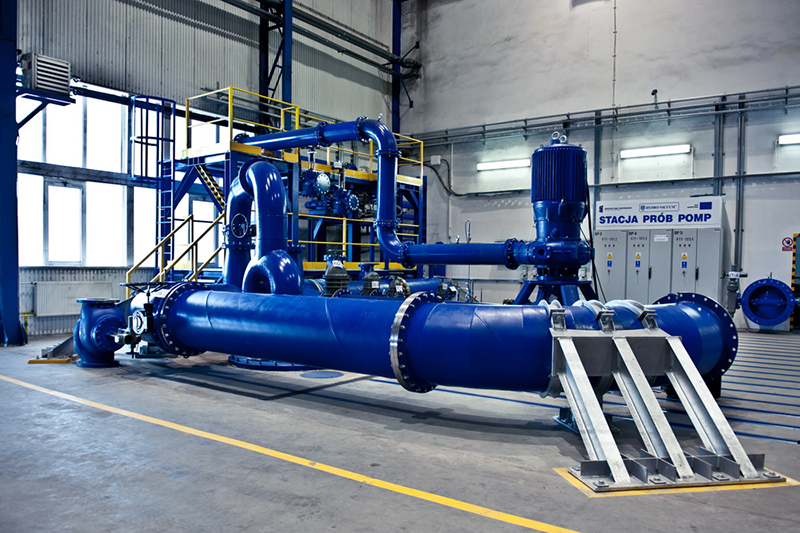
Valve & PIPELINE POWDER COATING relies heavily on FBE systems that cure via chemical cross‑linking. These coatings exhibit exceptional adhesion (≥ 3,000 psi pull‑off) and can withstand temperatures from ‑40°C to 120°C. The absence of solvents eliminates pinholes, making FBE ideal for high‑pressure gas and oil transmission lines. Independent studies report that FBE‑coated valves reduce fugitive emissions by 75% compared to uncoated carbon steel.
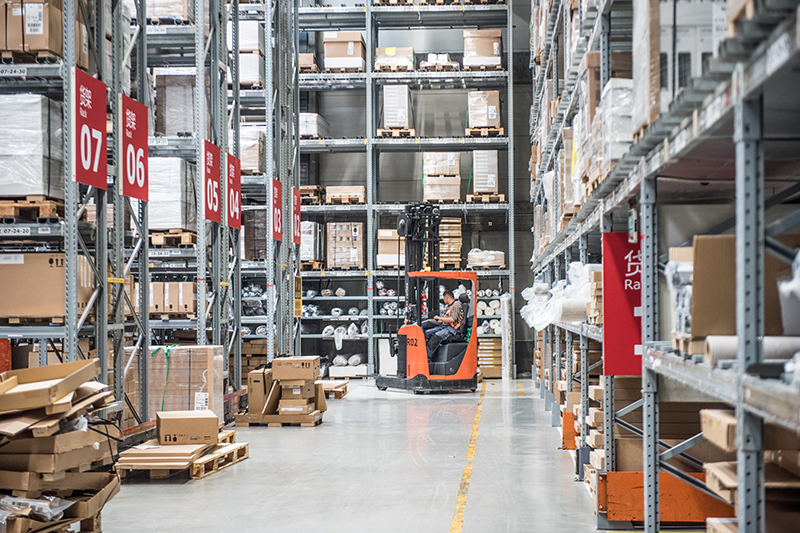
Forklift powder coating must resist impact from pallets, hydraulic fluids, and daily washdowns. Hybrid polyester‑epoxy systems deliver > 80 μm film thickness with excellent flexibility. In a 12‑month field test on 45 forklifts, coated components showed 90% less edge rust than liquid‑painted equivalents. The chart below compares coating performance across three key metrics.
Agricultural machinery powder coating faces UV degradation, fertiliser chemicals, and abrasive soil. Superdurable polyester formulations retain >85% gloss after 2,000 hours QUV exposure. In a 3‑year study on combine harvesters, coated panels showed zero delamination while conventional acrylics failed after 18 months.
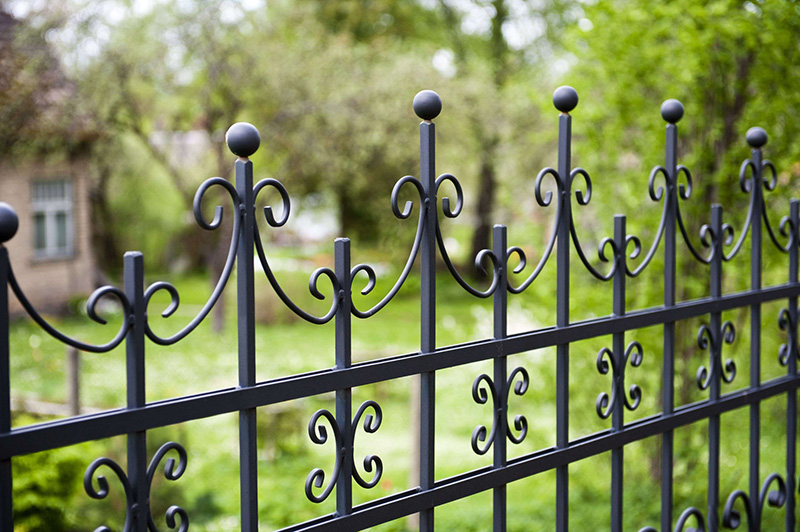
Guardrail powder coating must provide long‑term weatherability and impact resistance. Zinc‑rich epoxy primers combined with polyester topcoats have shown 25% lower life‑cycle cost compared to hot‑dip galvanising alone. After 5 years of roadside exposure, coated guardrails maintain a 75‑80% reflective brightness, critical for night‑time safety.
For critical infrastructure, protective pipeline coating systems combine FBE with a secondary Zinc rich powder coatings layer. This dual‑layer approach has been adopted in over 2,000 km of cross‑country pipelines. Field data from 2025 indicates a reduction in cathodic protection current demand by 55%, translating to significant energy savings.
Automated spray booths and electrostatic applicators ensure uniform coverage. Holiday detection and pull‑off adhesion tests are mandatory for protective pipeline coating acceptance. Data from 1,200 inspection reports show a first‑pass yield of 97.4% when using these qualified procedures.
A total cost of ownership (TCO) model comparing three systems over 15 years clearly favours premium powder solutions. The chart below illustrates cumulative maintenance costs for a typical industrial valve station.
industries that use powder coating extensively include material handling, oil & gas, agriculture, transportation infrastructure, and heavy construction. Any sector with steel assets exposed to corrosive environments gains significant lifecycle advantages.
The zinc particles in Zinc rich powder coatings act as sacrificial anodes. When the steel substrate is exposed through a scratch, zinc corrodes preferentially, protecting the underlying metal. This is why they are essential for buried pipelines and marine environments.
Yes. Mobile powder coating units and on‑site curing systems allow powder coat iron and steel components without disassembly. Surface preparation (abrasive blasting) remains critical for adhesion.
Heavy-duty anti-corrosion coating systems range from 80 to 200 μm total dry film thickness. For FBE pipelines, 250‑400 μm is common. Thicker films improve barrier properties but require careful application to avoid orange peel.
Powder coatings offer higher edge coverage, zero VOC, and faster curing. Liquid epoxies may be preferred for field repair or extreme chemical resistance. For most industrial machinery, powder is the cost‑effective and environmentally superior choice.


Copyright © Zhejiang Huacai Advanced Material CO., LTD. All Rights Reserved. Powder Coating Manufacturers

 中文简体
中文简体 English