EN
You are standing in the spray booth, watching powder bounce off the part like water off a waxed windshield. The operator raises the voltage, but the rejects keep piling up. The root cause is often not the gun or the resin; it is the earth ground. A poor ground is the quiet killer of powder coating quality. When you keep the resistance to ground below 1 megohm, you give the powder a clear path to the part, and you get uniform coverage with less waste. This article explains what a good ground looks like, how to achieve it, and which coatings benefit most from a solid ground path.
In electrostatic powder coating, the spray gun charges powder particles with static electricity, and the part acts as an oppositely charged magnet. That attraction only works if the workpiece is grounded. A dedicated earth ground provides a return path for the charge so that the field stays strong and consistent.
Without a reliable ground, you will see one or more of the following symptoms:
Proper grounding also helps with the Faraday cage effect. When powder tries to reach a deep recess or corner, a weak ground leaves the area uncoated. A low-resistance ground helps the electric field push powder into those shadowed zones. For complex metal parts, this one variable can make the difference between a first-pass finish and a rework order.
For powder coating, a good ground is generally defined by resistance. The commonly accepted upper limit is less than 1 megohm (1,000,000 ohms), but practical experience shows that lower is better. Many finishing shops target 100,000 ohms or less for consistent results. A reading above 1 megohm means the ground path is weak and should be corrected before production starts.
The exact reading depends on the contact points: the rack, the hook, the ground wire, and the soil around the ground rod. All of them contribute to total resistance. A clean, bare metal contact is essential. Any paint buildup, rust, or oily film acts as an insulator and pushes the resistance up.
For measuring, use a digital multimeter set to the lowest ohms range. Connect one lead to the rack or part and the other to a verified earth point, then record the resistance. For critical work, measure every part or at least every rack, because a single rusty hook can spoil a whole batch.
Whether you run a small job shop or a high-volume line, a dedicated ground rod is the foundation. Copper-coated steel or galvanized steel rods driven 6 to 12 inches into the soil work well. Wet the soil around the rod to improve conductivity, especially in dry climates.
Connect the ground rod to your booth, rack system, and any stationary support with heavy-gauge copper wire. Use a robust clamp and keep the connection bare, with no tape or paint. Then test the entire path. It is common to find a good ground at the rod but a poor connection at the hook or rack joint. Clean those contact points regularly.
For aluminum parts, aluminum profile powder coating includes formulations designed for outdoor exposure, and even the best weather-resistant film starts with a good ground. If the charge cannot escape, the film is uneven and the surface becomes more vulnerable to weathering.
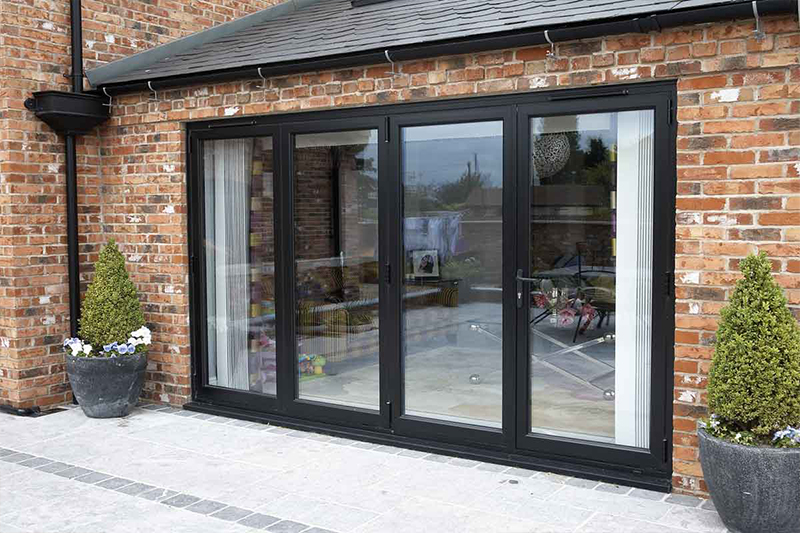 Weather-resistant polyester powder coating for outdoor aluminum profilesThis polyester powder coating offers excellent mechanical properties and weather resistance, suitable for long-term outdoor exposure such as architectural profiles and communication base stations, with options for various gloss and colors.View Product →
For pipelines and valves, pipeline powder coating relies on a continuous, dense film to resist corrosion. Good grounding minimizes pinholes and ensures that the epoxy cures uniformly, which is critical in buried or high-pressure service.
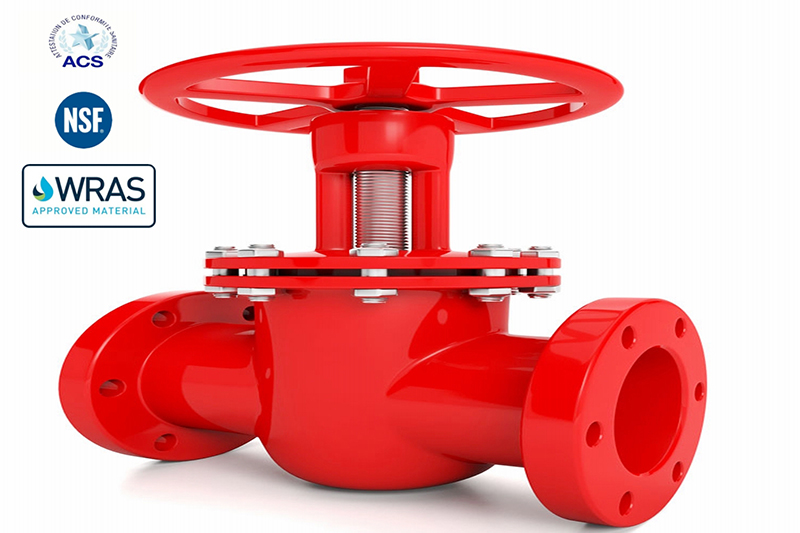 Hybrid epoxy-polyester powder coating for valves and pipelinesThis powder coating combines epoxy and polyester resins, providing good corrosion resistance and mechanical strength, ideal for household appliances and indoor equipment, with flexible curing options.View Product →
Grounding issues are often hidden, but they follow predictable patterns. Here are the most frequent causes and the recommended fixes.
| Problem | Typical Reading | Corrective Action |
|---|---|---|
| Paint buildup on hooks or rack tips | Above 1 megohm | Strip the hooks or replace them regularly |
| Loose ground wire connection | Intermittent reading | Clean the contact and re-tighten the clamp |
| Rusty or oily workpiece surface | High resistance | Improve pretreatment to bare metal |
| Dry soil around the ground rod | High rod-to-soil resistance | Water the ground rod area or drive a deeper rod |
| Non-conductive rack coatings | High resistance or open circuit | Use conductive rack material or add auxiliary ground leads |
For heavy corrosion resistance, zinc-rich powder coatings provide cathodic protection to steel, but they need a smooth, evenly applied film to work effectively. A poor ground creates thin patches where the zinc content is insufficient, shortening the service life of the part.
 Zinc-rich powder coating for cathodic protection of steelDesigned for heavy corrosion resistance, this zinc-rich coating provides cathodic protection to steel, offering 10-15 years of weather resistance, suitable for external materials in demanding environments.View Product →
Good grounding is not a substitute for the right coating; it is a prerequisite. When you choose a powder for a specific application, remember that the ground affects how that powder lays down. For outdoor architectural profiles, super-durable polyester powders are the common choice. For indoor furniture, hybrid epoxy-polyester powders offer excellent mechanical properties. For pipelines and structural steel, epoxy or zinc-rich systems protect against corrosion.
If you work with a variety of parts, a simple workflow helps:
Our team has focused on powder coatings since 1998. If you want to understand how a specific product will perform on your line, feel free to learn more about our company or check our powder coating FAQ.
Set a simple standard: every rack, every shift. Measure the resistance from the part to the earth ground. If it exceeds 1 megohm, stop and fix the problem. This may sound like overkill, but in practice it prevents whole batches of rejects and saves powder. A good ground is a daily habit, not a one-time installation.
When you combine a solid earth ground with the correct powder coating chemistry, you get the kind of finish that lasts: high transfer efficiency, smooth texture, and a low rework rate. That is the real payoff of grounding, a reliable process that lets you focus on coating, not on fighting static charge.


Copyright © Zhejiang Huacai Advanced Material CO., LTD. All Rights Reserved. Powder Coating Manufacturers

 中文简体
 English