EN
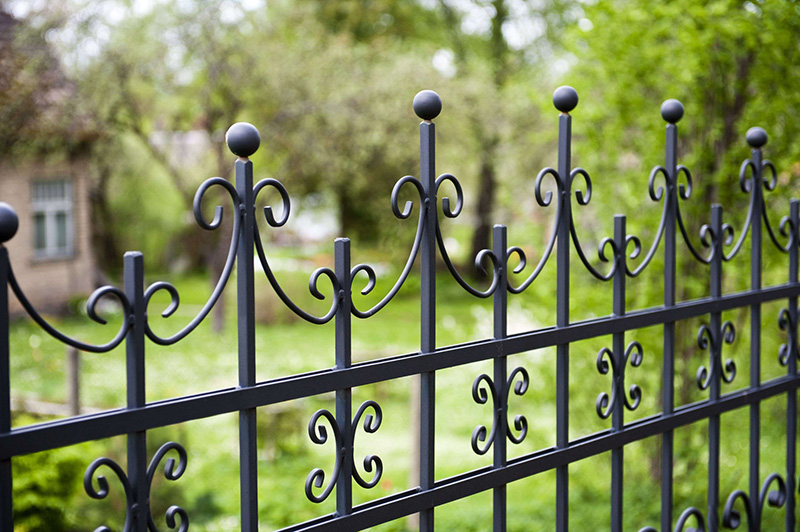
You have a cast-iron fireplace surround, a Victorian radiator, or an intricate cast-iron gate that has lost its original finish. You want a coating that is tougher than wet paint, with a factory-fresh look that survives outside year after year. The question is: can you powder coat cast iron?
Yes, you can powder coat cast iron—but the surface prep, powder selection, and curing process matter more than with steel or aluminum.
The real issue is not whether powder coating works, but whether the part is prepared and coated in a way that respects the unique qualities of cast iron: porosity, graphite contamination, casting stress, and surface residues. Here is the practical guide to getting a powder coated finish on cast iron that looks good and holds up, without the classic failures: pinholing, outgassing bubbles, poor adhesion, or cracking.
The short answer is yes. In fact, many cast iron products are already powder coated successfully: outdoor metal furniture, garden gates, engine brackets, valve housings, and even some radiator covers.
The difference between a good result and a rejected part lies in how you treat the metal before the powder hits it. Cast iron contains carbon in the form of graphite flakes. That graphite can sit on the surface and interfere with adhesion. The metal also contains trapped gases and moisture in the microscopic porosity that is created during casting. These have to be driven out before curing, or they will expand into bubbles and pinholes.
Cast iron pieces are also structurally more complex than plain steel sheets. Thick and thin sections co-exist in the same casting, so heat-up rate matters. A slow, controlled preheat followed by an even oven cycle is usually the safer path. This is not a metal that you blast, spray, and cure in the same way as a simple steel bracket. It is a metal that rewards patience.
When a cast iron part enters a powder coating line, four specific risks can ruin the finish if they are not addressed:
The process below is not a recommendation for every shop. It is a proven sequence that solves the majority of outgassing and adhesion problems on cast iron.
Preparation Quick Reference
Once the surface is ready, the powder type matters more than most buyers expect. A single layer of a generic polyester powder will often solve the appearance question, but not the durability one. A two-coat system or a purpose-designed single-coat product is more common in professional work.
For the primer, a zinc-rich or high-build epoxy primer is the strongest choice on cast iron. The zinc-rich powder coatings provide a sacrificial barrier that resists corrosion in pore areas where the topcoat may be slightly thinner. An epoxy primer also improves adhesion on bare iron.
 Zinc-Rich Epoxy Primer for Cast Iron Corrosion ProtectionA sacrificial zinc-rich epoxy primer that resists corrosion in porous areas of cast iron, improving adhesion on bare iron and serving as a strong base for outdoor topcoats.View Product →
For the topcoat, the choice depends on the environment:
| Application | Recommended Coating System | Typical Total Thickness |
|---|---|---|
| Indoor furniture | Epoxy or hybrid powder | 80–120 μm |
| Outdoor furniture and gates | Zinc-rich primer + polyester topcoat | 100–150 μm |
| Stoves, grills, exhaust parts | High-temperature silicone polyester | 80–150 μm |
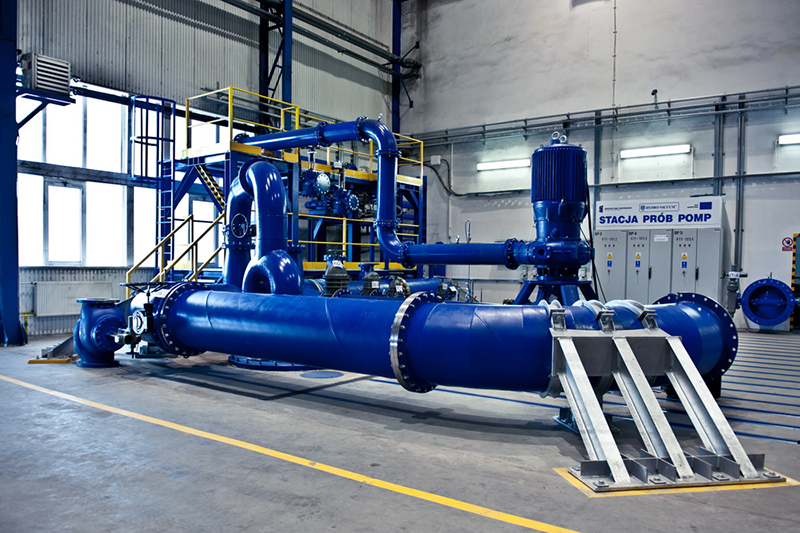
| Pipes, valves, pump housings | Epoxy or FBE powder | 250–400 μm |
For outdoor parts, a durable outdoor metal furniture polyester powder coating is designed for UV resistance and weathering. It protects against the colour fading and chalking that affect cast iron gates, benches, and table frames left outside.
 Outdoor Polyester Powder Coating for UV-Resistant Metal FurnitureA weathering-grade polyester powder coating designed for outdoor metal furniture, protecting cast iron gates, benches, and table frames from color fading and chalking.View Product →
A common compromise on cast iron is to use a thick-film single coat, usually 100–150 μm, instead of primer and topcoat. This can work, but it will not provide the same corrosion protection as a zinc-rich primer. The finish is also harder to repair if a defect appears. For most fabricators, the two-coat route costs a little more time but saves on rejects.
Powder coated cast iron is commonly seen in these applications:
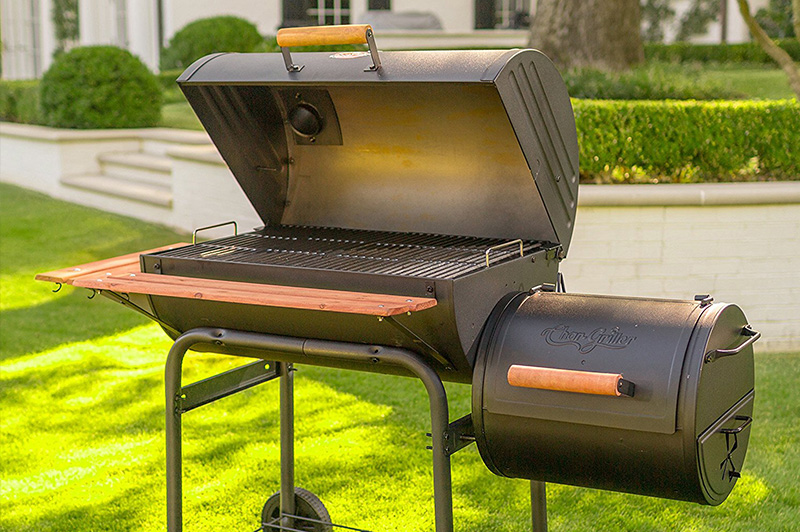
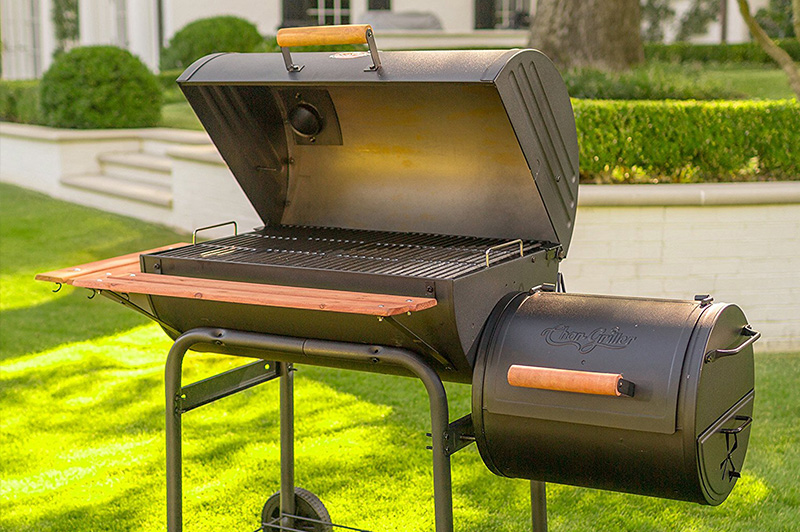 High-Temperature Powder Coating for Functional Cast Iron ComponentsA powder coating that withstands elevated temperatures, enhancing the service life of commercial cast iron parts when applied as a protective finish.View Product → can handle the operating temperatures of fireplace bodies and grill hoods while maintaining adhesion.
For functional or commercial cast iron, a powder coated surface is not only about looks. It can improve the service life of the component significantly, especially when a primer is used.
If you are a fabricator or an original equipment manufacturer that uses cast iron, the coating supplier you work with can make or break your quality. A supplier that simply sells a standard powder and has no technical insight into cast iron will rarely solve the outgassing or adhesion problems that show up after curing.
Look for a supplier that can:
In many cases, the safest route is to work with a manufacturer that produces both the primer and the finish. A single source keeps the system compatibility consistent and makes troubleshooting easier.
For example, Zhejiang Huacai Advanced Material Co., Ltd. is a top-10 Chinese powder coating manufacturer that produces a wide range of epoxy, polyester, hybrid, and specialty powder coatings, including products designed for corrosion, weathering, and high temperature. You can review some of their real-world coating cases to see how different coating systems are applied to industrial components.
Not easily. Enamel is essentially glass. Blasting it will only scratch the surface without removing the layer completely. It is safer to strip the enamel first or choose a different finish. Some shops use a special epoxy system over a ground enamel surface, but adhesion and long-term durability are significantly reduced.
Cracking is a risk on thin-wall, decorative, or complex castings. The heat of the oven causes the casting to expand, and if the casting has residual stress or thick/thin sections close together, that expansion can create cracks. Slow preheat and a low-temperature cure cycle reduce the risk. Small castings with uniform walls are rarely affected.
150–180 °C for 15–30 minutes is a widely used range. The target is to drive out moisture and trapped gases from the pores. If the part is very thick, increase the time rather than the temperature.
It is strongly recommended. A zinc-rich or high-build epoxy primer seals the pores, boosts adhesion, and provides corrosion protection. The total system cost and labour go up slightly, but the defect rate drops dramatically.
Powder coating cast iron is a proven process, but it is not one to shortcut. With thorough degreasing, blast cleaning to a proper profile, a controlled preheat, and the right primer/topcoat system, the result can outlast wet paint by years. The key is to understand that cast iron has its own personality—porous, graphite-rich, and often full of casting stresses. Once you respect those characteristics, the finish will look excellent and perform reliably in demanding environments.


Copyright © Zhejiang Huacai Advanced Material CO., LTD. All Rights Reserved. Powder Coating Manufacturers

 中文简体
中文简体 English