EN
Yes, you can polish powder coating, but the operation has limits that do not apply to automotive paint. Powder coating is a cured thermoset film, typically 60 to 120 microns thick, and every micron you polish away reduces that protective layer. We manufacture powder coatings for outdoor furniture, aluminum profiles, and industrial machinery, so we see polished and burnished parts on a regular basis. This article explains when polishing is a smart move, when it damages the film, and the safe procedure we recommend to coating applicators and maintenance teams.
Powder coating is a thermoset polymer, usually polyester, epoxy, or a hybrid of the two. Unlike liquid paint, it contains no solvents and it cures through a chemical cross-linking reaction. The result is a dense, hard film that protects the metal underneath. Polishing treats that film as if it were paint: a rotating pad presses abrasive particles against the surface and removes a very thin layer, flattening the peaks of the texture.
This is why polishing fixes two of the most common surface complaints:
Polishing also increases perceived gloss. A flat surface reflects light more directly than a textured one, so the same coating looks brighter after a fine polish. No material is added. The gloss change is purely the result of removing surface roughness.
That removal step is the reason film thickness matters:
Typical film thickness: 60 to 120 microns
Safe polishing allowance: 10 to 20 microns
Typical orange peel depth: 5 to 30 microns
Over-polishing leaves: bare substrate
If the original film is close to 60 microns and the orange peel is in the 20 to 30 micron range, removing it can consume a large share of the coating. That is why every polishing decision should start with a film thickness measurement, not with a buffing pad.
SAFE TO POLISHPolishing is a legitimate finishing and maintenance operation in four situations:
In these cases, use the least aggressive product that achieves the result. A fine finishing polish with little or no abrasive will restore gloss in most situations. Save the cutting compound for deeper defects, and save the machine sander for orange peel that a compound cannot flatten.
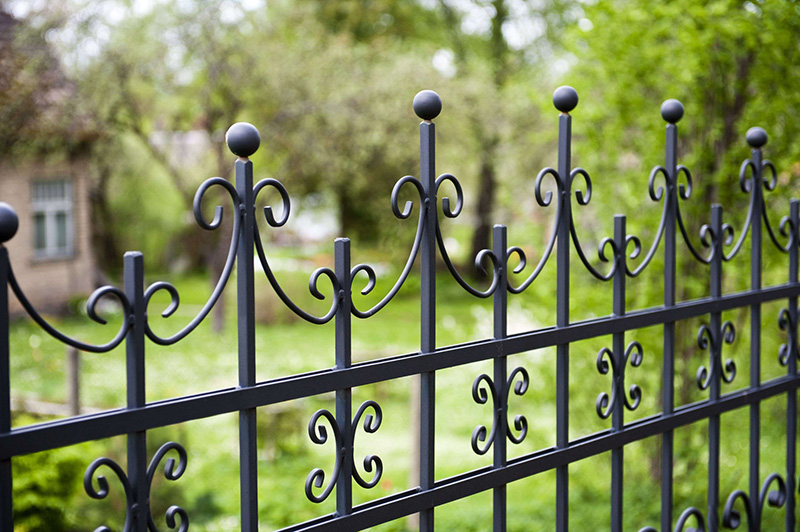
Outdoor metal furniture is one of the most common candidates for this kind of maintenance, simply because it sits in direct sunlight and gets scratched during seasonal cleaning or moving.
 Outdoor Metal Furniture Powder Coating with Weather ResistanceThis polyester powder coating is formulated for long-term outdoor exposure, offering excellent mechanical properties and weatherability. It suits metal furniture and outdoor structures, with options for gloss, texture, and color, and some grades meet Qualicoat Class 1 standards.View Product →
DO NOT POLISHThere are situations where polishing makes things worse. We tell customers to put the polisher away when any of these signs is present:
The rule our team uses: if metal is visible, polishing will not save the part. If metal is not visible, polish gently and measure the film thickness before and after.
The long-term fix for UV-related chalking and gloss loss is not more polishing. It is a coating designed to hold its appearance outdoors, such as a super-durable polyester system with UV stabilizers that keep the film intact for years.
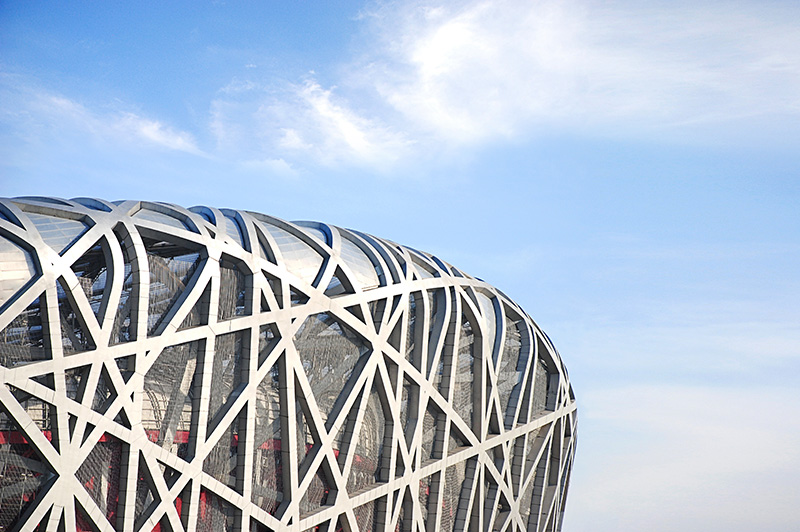 Super Durable Polyester Powder Coatings for Exterior UseDesigned for exterior materials needing prolonged appearance retention, this series provides 10-15 years of weather resistance and includes UV stabilizers. It helps prevent chalking and gloss loss, and is certified to Qualicoat Class 2 and AAMA2604-98 for high-performance organic coatings.View Product →
When polishing is appropriate, follow a process that removes as little film as possible.
Three numbers matter: pad speed around 1200 to 1800 rpm, surface temperature below about 50 degrees Celsius, and a measured film loss of no more than 10 to 20 microns across the whole process.
For many parts, the practical question is not whether you can polish powder coat, but whether you should polish it instead of recoating it. The table below summarizes the trade-off.
| Factor | Polishing | Stripping and recoating |
|---|---|---|
| Cost | Low, if you own a machine | High, includes labor and materials |
| Time | 30 to 60 minutes per part | Hours to days, depending on line capacity |
| Film thickness | Reduced by 10 to 30 microns | Restored to specification |
| Best for | Light defects on thick film | Corrosion, deep scratches, chalking |
| Main risk | Over-polishing exposes metal | Low, with an approved coater |
When the film is already failing through corrosion or UV degradation, polishing is a temporary cosmetic measure. The durable solution is to remove the old coating and apply a new one. We have compared the chemical and mechanical methods for removing powder coating in a separate guide that covers this decision in detail.
For architectural aluminum profiles, where gloss retention and color consistency are part of the building specification, the choice of coating matters more than the polishing skills of the maintenance team. A weather-resistant polyester series applied at the correct thickness will keep its appearance for many years without any polishing.
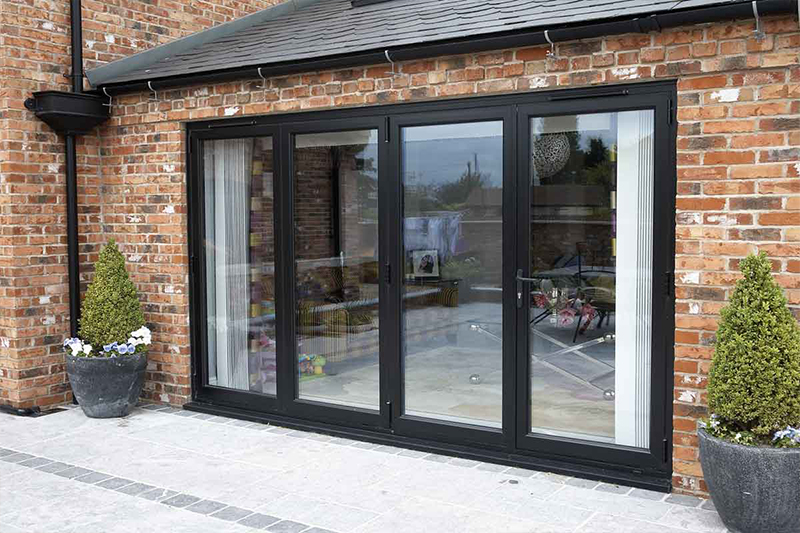 Aluminum Profile Powder Coating for Architectural ApplicationsThis polyester powder coating is ideal for architectural aluminum profiles, ensuring gloss retention and color consistency. With excellent weather resistance and mechanical properties, it supports various finishes and is available in Qualicoat Class 1 certified options, reducing the need for polishing in maintenance.View Product →
Yes, in many cases. Start with wet sanding at 2000 to 3000 grit, then use a fine polishing compound on a foam pad. The coating must be thick, ideally 80 microns or more, and the part should have a flat surface. Complex geometries are difficult to polish evenly without removing too much film on the edges.
Yes, by exactly the amount of film you remove. A single fine-polish pass typically removes only 2 to 5 microns, but aggressive compounding with a cutting pad can remove 10 to 30 microns. If the applied film was in the lower half of the 60 to 120 micron range, polishing may bring it below the minimum recommended thickness for outdoor exposure.
Do not go below 1500 grit. Most light surface defects respond to 2000 to 3000 grit wet sanding followed by machine polishing. Coarser paper, such as 800 to 1000 grit, leaves deep scratches and removes too much material.
Yes. A paste wax or polymer sealant fills microscopic surface pores, makes the coating easier to clean, and reduces water spotting. Use a product without strong solvents, and test it on a small area first.
If you are not sure whether a particular part can be polished safely, the powder coating FAQ covers additional care and repair questions from coating specifiers.
Polishing powder coating is possible, and it is a valid way to remove orange peel, light scratches, and surface haze. It is not a repair for corrosion, chalking, or exposed metal, and it always consumes a portion of the protective film.
From a manufacturer's perspective, the strongest recommendation is to minimize the need for polishing. Choose a coating matched to the exposure, apply it at the specified thickness, and cure it correctly. Parts treated this way keep their appearance and protect the substrate for the full service life.
When polishing is necessary, treat it as a controlled maintenance step. Measure the film, use the gentlest abrasive that works, keep the surface cool, and protect it afterwards. Done that way, a polish can extend the service life of a powder-coated part. Done carelessly, it can end it early.


Copyright © Zhejiang Huacai Advanced Material CO., LTD. All Rights Reserved. Powder Coating Manufacturers

 中文简体
中文简体 English